Table of Contents
This updated guide examines Click: How to Restart Windows 10 and organizes the essential facts, background, and practical takeaways in clear American English.
Method 1of 5:
Using the Start Menu
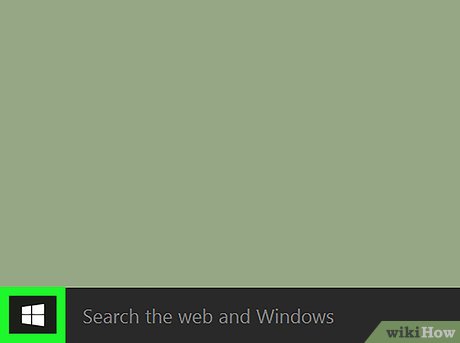 Launch the Start menu. Click the Start
 button located at the bottom-left of the screen.
- Alternatively, press the⊞Winkeyboard key.
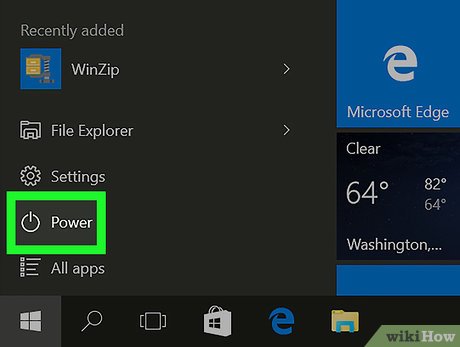 Click the power
 icon. A context menu that provides multiple different power options will appear.
- The icon is right above the Start
 button. It appears as circle with a vertical line towards the top of it.
- The icon is right above the Start
 ClickRestart. Your device will turn off and power back on.
Method 2of 5:
Using the Power User Menu
 Launch the Power User menu. Press the⊞Win+Xkeys together.[2]
- Alternatively, right-click the Start
 button. Touchscreen device users can hold down and release.
- Alternatively, right-click the Start
 Hover over/selectShut down or sign out. This option is located second from the bottom. Choosing this will prompt a submenu to appear to the right of the main context menu.
- You can also press theUkeyboard key.
 ClickRestart. Pressing theRkeyboard key will perform the same action as clickingRestart.
Method 3of 5:
Using the "Shut Down Windows" Dialog Box
 Navigate to the desktop. Press⊞Win+Dsimultaneously. There are other different ways of doing this:
- Close all open apps. Use the✕button.
- Clicking the very bottom-right of the screen, on the taskbar.
 Open the "Shut Down Windows" dialog box. PressAlt+F4together.
- Pressing the keys together while an app is displayed will cause the window to close.
 Click the dropdown menu. It's right below the "What do you want the computer do do?" line of text.
 Choose theRestartoption.
 Confirm the restart. PressOKor hit↵Enter.
Method 4of 5:
Using Ctrl + Alt + Del
 Access the Windows Security Screen. Press theCtrl+Alt+Delkeys together. A blue screen containing many different links and icons should appear.
 Click the power
 icon. A context menu that provides multiple different power options will appear.
- The icon is at the bottom-right. It appears as circle with a vertical line towards the top of it.
 ClickRestart. Your device will turn off and power back on.
Method 5of 5:
Using the Command Prompt
 Open the Command Prompt. Press⊞Win+Xand chooseCommand Prompt. You can also use theCkey.
- You can also press⊞Win+R, typecmd, and hit↵Enteror clickOK.
 Entershutdown/r. [3]If wanted, you can substitute the slash/with a hyphen-.
- Abort the shutdown by usingshutdown /a[4]
 Hit the↵Enterkey. This will submit the command.
 Dismiss the notification. You'll get a notification telling you that you'll be signed out in less than a minute. ClickCloseto dismiss it.
FAQ
What is Click: How to Restart Windows 10 about?
It provides a structured overview of click, explains the main context, and highlights practical takeaways for readers.
Why does this topic matter?
Understanding the main concepts helps readers evaluate the issue, avoid common mistakes, and make better-informed decisions.
How should readers use this information?
Use the guidance as a practical starting point, confirm details that may have changed, and follow current product, safety, or security recommendations.
Related Articles
 Ways to Restart a Windows 11 PC4 minutes read
 6 Ways to Restart Your Windows Computer from Simple to 'Pro'6 minutes read
 How to Restart (Restart) Applications on Windows 11 and Windows 104 minutes read
 Windows 11 Has an 'Emergency Shutdown' Option Most Users Miss5 minutes read
 Restart: How to Disable Automatic Reboot After Windows Update3 minutes read
 How to Set up Receive Notifications to Restart Windows 11 PC3 minutes read
Reader Comments 0
Sign in with email or Google to join the discussion.