Table of Contents
This updated guide examines User Windows 10: How to Quickly Access the Windows 10 User Folder and organizes the essential facts, background, and practical takeaways in clear American English.
- How to move user folders on Windows 10
- How to create a new User on Windows 10 with Computer Management and Control Panel
- Instructions 5 ways to delete the User account on Windows 10
- How to transfer User Profile to another Windows 10 computer
Method 1: Quickly open User via Run command
We press Ctrl + R and enter the command% USERPROFILE% to quickly open the User folder on the computer.
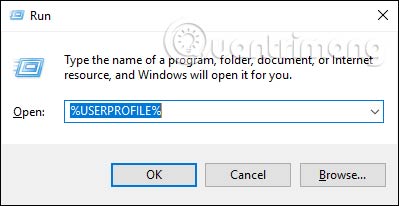
The results of the User folder show as shown below.

Method 2: Access from File Explorer
We open the File Explorer interface and then right click in the empty area of the left menu interface and select Show all folders .

The User folder will now be added to the navigation bar for quick access.
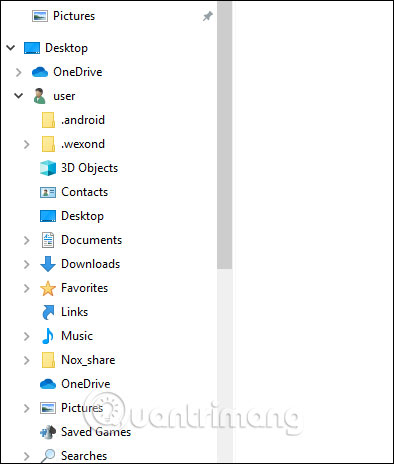
The navigation bar also has many different folders, so if you want it to always be visible, you can pin it to the Quick access section. Right-click on the User folder and select Pin to Quick Access.

Method 3: Create a shortcut to access the User folder
First, right-click an empty area of the desktop and choose New> Shortcut .

Next, enter the path of the User folder into the interface and select Next to continue. Name the shortcut and then click Finish to save it.

Or in the File Explorer interface, right-click on the User folder and select Pin to Start to attach to the Start menu interface.

Thus, accessing the User directory becomes much simpler through the quick access above. With method 3, you can apply to many other folders in the computer.
I wish you successful implementation!
FAQ
What is User Windows 10: How to Quickly Access the Windows 10 User Folder about?
It provides a structured overview of User Windows 10, explains the main context, and highlights practical takeaways for readers.
Why does this topic matter?
Understanding the main concepts helps readers evaluate the issue, avoid common mistakes, and make better-informed decisions.
How should readers use this information?
Use the guidance as a practical starting point, confirm details that may have changed, and follow current product, safety, or security recommendations.
Related Articles
 How to Access Windowsapps Folder on Windows 10 and Windows 8?6 minutes read
 How to Change User Profile Folder Name in Windows 11: Clear Instructions6 minutes read
 How to Add or Remove a Protected Folder in Controlled Folder11 minutes read
 Instructions for Fixing Errors: 'You Have Been Denied Permission5 minutes read
 Steps to Rename the User Folder in Windows 104 minutes read
 How to Pin a Folder to the Windows Taskbar, Pin Any Folder4 minutes read
Reader Comments 0
Sign in with email or Google to join the discussion.