Table of Contents
This practical guide walks through how to disable Windows registry on Windows 10, explains the main requirements, and highlights common issues that may appear along the way.
1. How to disable Windows Registry on Windows 10 with Registry Editor
One of the best ways to disable the Registry Editor in Windows 10 is to use the Registry Editor itself. Open Registry Editor.
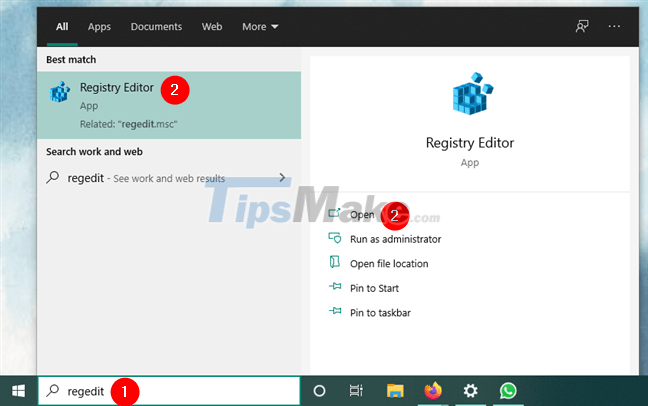
In the Registry Editor , navigate to the following location:
ComputerHKEY_CURRENT_USERSOFTWAREMicrosoftWindowsCurrentVersionPoliciesSystem.
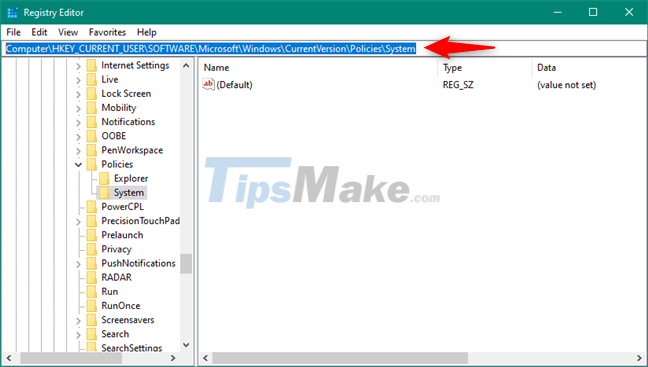
If the System key does not exist, create it yourself. Right-click the Policies key , select New on the context menu, then click Key.

Name the new registry key System.

Next, on the right panel from the Registry Editor, right click on an empty space and use the context menu to create a New DWORD (32-bit) Value inside the new System folder .

Name the new value DisableRegistryTools.
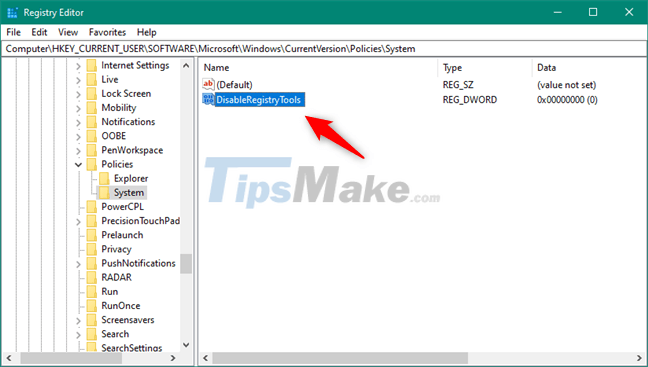
To disable access to Registry Editor, double-click DisableRegistryTools and set its value to 1 .
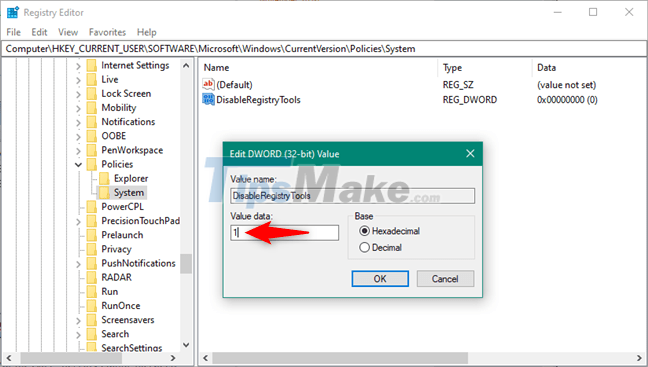
Important Note : This method disables Registry Editor only for the current user account. To re-enable Registry Editor for that user, change the DisableRegistryTools valueto 0 or simply delete the value. Remember that if you disabled the Windows Registry for an admin, you must use a different admin account to re-enable the Registry Editor for that administrator. If you don't have two or more admin accounts configured on your Windows 10 PC, you can enable Registry Editor using one of the other methods in this guide.
2. How to turn off Windows Registry on Windows 10 with Local Group Policy Editor
To disable the Registry Editor, you can also do that using the Local Group Policy Editor. However, know that this tool is only available in Windows 10 Pro and Enterprise. If you're using Windows 10 Home, follow the instructions from any other part of this guide.
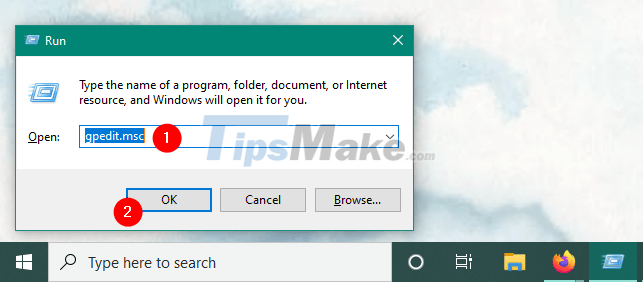
Start by opening the Local Group Policy Editor. A quick way to do it is to press Win + R on your keyboard to activate the Run window , type gpedit.msc and press OK or the Enter key .
In the Local Group Policy Editor , use the navigation pane to go to User Configuration > Administrative Templates > System . Then, double-click the Prevent access to registry editing tools setting from the right panel.

The previous action will open a window also known as Prevent access to registry editing tools . In there, select the Enabled setting . Then, click Apply or OK.

Registry Editor is now disabled. If the user tries to open it, the only thing they get is a message that says: "Registry Editor has been disabled by your administrator" .
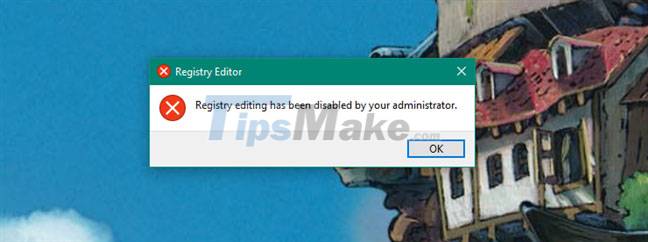
Note : If you choose to disable Registry Editor using the Local Group Policy Editor, no one will be able to access it afterwards, including all standard users and all admins configured on your Windows 10 PC. To re-enable Registry Editor, you must follow the same steps and set the policy to Disabled or Not Configured.
3. How to turn off the Windows Registry on Windows 10 with the DisableRegistryEditor application
Another easy way to disable Registry Editor in Windows 10 is to use a tool called DisableRegistryEditor.exe.

Note that the SmartScreen filter may warn you that it comes from an untrusted publisher. You get this message because not many people download and use it. Trust that it is safe and will not harm your computer. It's just a PowerShell script saved as an executable, with a simple graphical user interface. To use this tool, you must click or tap More info and then select Run anyway.

The tool requires admin rights to work, so when Windows 10's UAC asks To run it, select Yes.

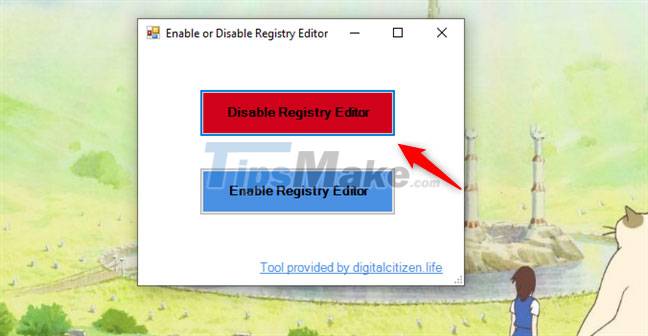
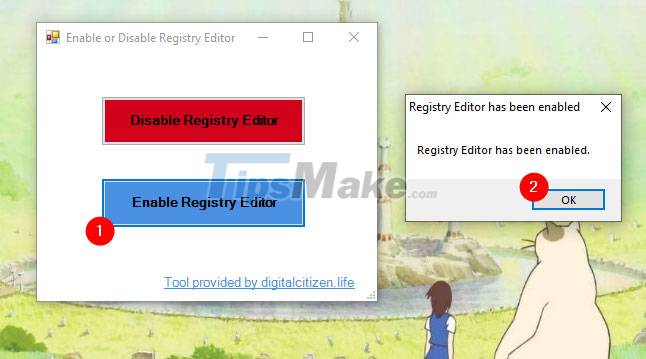
When DisableRegistryEditor opens, you will see a small window with two buttons. To block access to Registry Editor on a Windows 10 PC, click the Disable Registry Editor button .
Once the setting is applied, you will see a message telling you that 'Registry Editor has been disabled' .
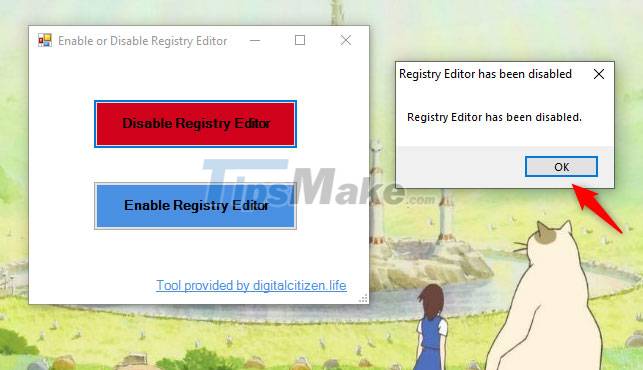
To allow access to the Registry Editor, click the Enable Registry Editor button .
Hope you are succesful.
Key Takeaways
Use the information above as a practical reference for how to disable Windows registry on Windows 10. Review each step carefully, confirm any requirements, and choose the option that best fits your situation.
FAQ
What does this guide explain about Disable Windows Registry on Windows 10?
It explains the main concepts, practical considerations, and useful steps related to disable Windows registry on Windows 10 without requiring advanced knowledge.
Who can benefit from learning about Disable Windows Registry on Windows 10?
This information is useful for readers who want a clear overview, practical guidance, and reliable steps related to disable Windows registry on Windows 10.
What should I check before applying this information?
Review the requirements, confirm that your device, software, or situation matches the instructions, and back up important data before making major changes.
Related Articles
 Block Access to Registry Editor on Windows 10/8/79 minutes read
 What Is the Registry: Learn About the Windows Registry - Part I10 minutes read
 50 Registry Tricks to Help You Become a True Windows 7 // Vista4 minutes read
 50 Registry Tricks to Help You Become a True Windows 7 // Vista3 minutes read
 50 Registry Tricks to Help You Become a True Windows 7 // Vista2 minutes read
 Unlock Hidden Features on Windows 10 with Some Registry Tricks18 minutes read
Reader Comments 0
Sign in with email or Google to join the discussion.