Table of Contents
This updated guide examines Restore: How to Get into a Computer Registry and organizes the essential facts, background, and practical takeaways in clear American English.
Part 1
Creating a System Restore Point
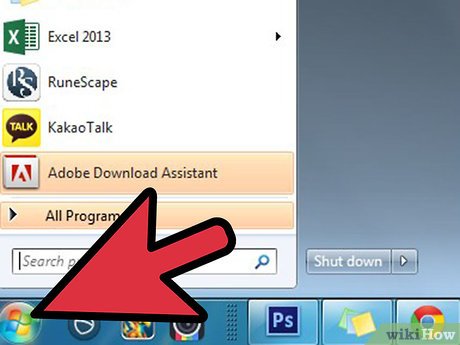 Click on Start. Before using the Registry Editor, it is always wise to create a System Restore point in case anything goes wrong. This will allow you to roll back any changes you've made and restore your computer to a working state.
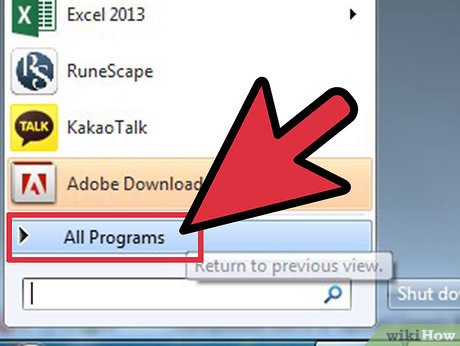 Go to All Programs. You can either click on all programs or just simply put your mouse over it. All Programs should be located at the bottom of the window. Now you should be seeing more folders and shortcuts to most of the programs on your computer.
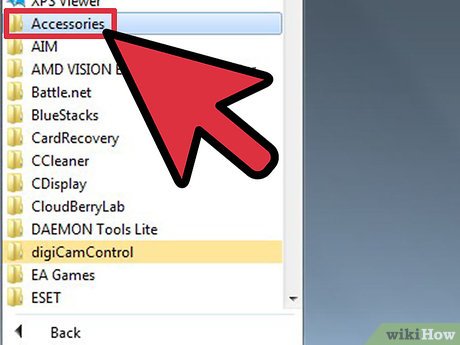 Go to Accessories. This folder is mostly located near the top of the other folders, unless it has been moved. Simply put your mouse over Accessories and you will begin to folders appear.
 Go to System or System tools. Once again, just simply place your mouse over the folder and you'll see a small list of programs.
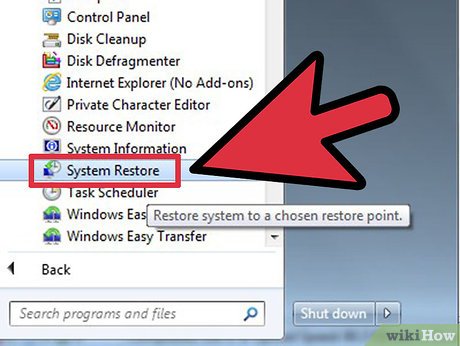 Click on System Restore. Once you left click on system restore, a window will pop up. It will give you a choice of restoring your computer or creating a restore point.
 Create a restore point. All of those are necessary precautions. Restore points will restore your computer to that date in case you've made a mistake on regedit. Once you've made a restore point, close out of system restore.
Part 2
Opening the Registry Editor
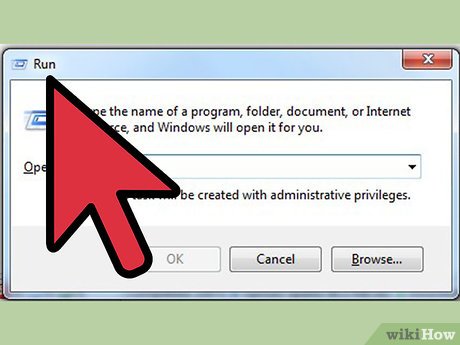 Open the "Run" box. You can access this from the Start menu, or your can press⊞Win+Rto open it directly.
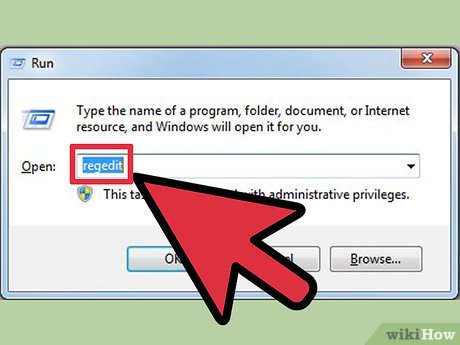 Type inregedit. Press↵Entertop open the program. This will bring up your registry. Be very careful when adjusting the registry, as you can cause your system to become inoperable.
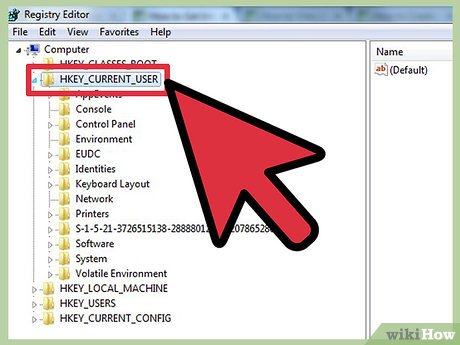 Make changes. Once you're in the registry, you can use it to help remove old, unwanted programs, change your History folder location, and more. See this guide for detailed instructions on navigating and using the registry.
FAQ
What is Restore: How to Get into a Computer Registry about?
It provides a structured overview of restore, explains the main context, and highlights practical takeaways for readers.
Why does this topic matter?
Understanding the main concepts helps readers evaluate the issue, avoid common mistakes, and make better-informed decisions.
How should readers use this information?
Use the guidance as a practical starting point, confirm details that may have changed, and follow current product, safety, or security recommendations.
Related Articles
 What Is the Registry: Learn About the Windows Registry - Part I10 minutes read
 How to Use Wise Registry Cleaner to Clean and Fix Registry Errors7 minutes read
 36 Best Free Registry Cleaning Software 201821 minutes read
 How to Use Regedit: Complete Guide9 minutes read
 How to Clean the Windows Registry by Hand8 minutes read
 What Is Registry Hive?6 minutes read
Reader Comments 0
Sign in with email or Google to join the discussion.