Table of Contents
This updated guide examines How to Create Custom Settings in Windows Live Movie Maker and organizes the essential facts, background, and practical takeaways in clear American English.
Part 1of 2:
Create a Custom Setting
 Click on the Menu button. It is located on the top-left corner of the window. This will open the menu panel.
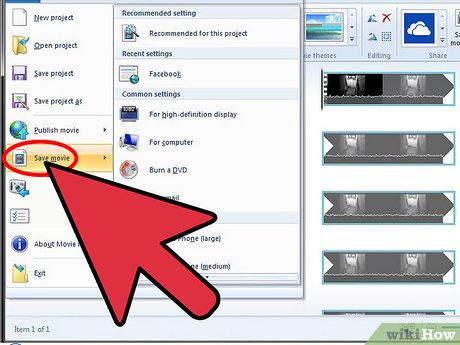 Click on 'Save Movie. " This will open up a new sub-menu to the right.
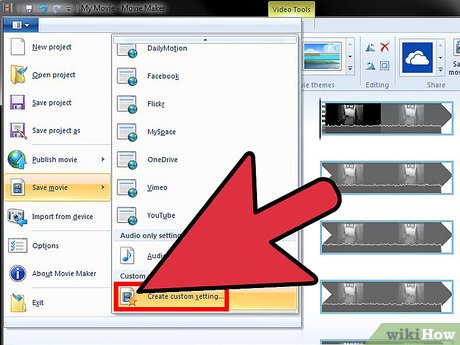 Scroll down the sub-menu to the 'Custom Settings' section. Then click on 'Create Custom Settings' at the very end of the sub-menu.
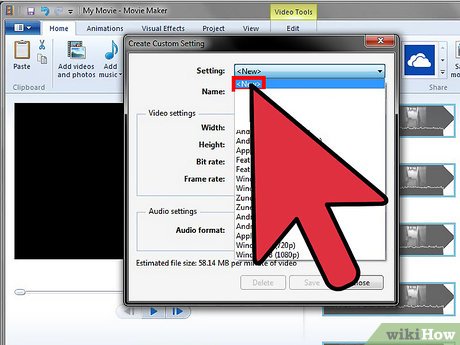 Create a custom setting. To create a custom setting, you either make a new one or modify an existing one. Click on the setting's drop-down list and choose '' to start from scratch, or select any of the existing settings on the list you want to edit.
- When you create a custom setting from scratch, you need to type in its name on the 'Name' text field provided.
Part 2of 2:
Adjust Settings
 Adjust the video settings. Set the video height and width, its bit rate, and the frame rate speed.
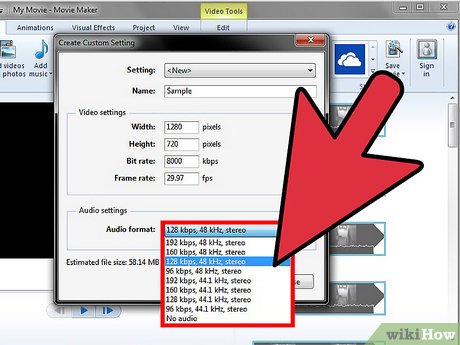 Set the audio settings. Click on the drop-down list and select the audio settings you want.
- Remember, the higher the bit rate (kbps), the better the quality, but it also means a bigger file size.
 Check the estimated file size. When you make any adjustments on the settings, an estimated file size is displayed at the bottom of the window. This file size refers to per minute of the video' meaning, if it shows an estimated size of 5 MB and your video's length is 4 minutes, then the estimated file size of the published video would be around 20 MB.
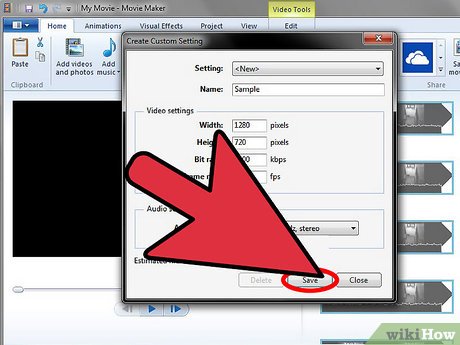 Finalize adjustments. Click on 'Save' to do this. You now have a custom setting of your own that you can use whenever you save or publish a video.
FAQ
What is How to Create Custom Settings in Windows Live Movie Maker about?
It provides a structured overview of settings, explains the main context, and highlights practical takeaways for readers.
Why does this topic matter?
Understanding the main concepts helps readers evaluate the issue, avoid common mistakes, and make better-informed decisions.
How should readers use this information?
Use the guidance as a practical starting point, confirm details that may have changed, and follow current product, safety, or security recommendations.
Related Articles
 How to Rotate the Video in Reverse, Tilt with Windows Movie Maker6 minutes read
 Click: How to Use Windows Movie Maker14 minutes read
 Music: How to Create a Video in Windows Live Movie Maker5 minutes read
 Click: How to Make a Slideshow with Windows Movie Maker6 minutes read
 Choose: How to Use Story Remix4 minutes read
 50 Useful Shortcuts for Windows Movie Maker4 minutes read
Reader Comments 0
Sign in with email or Google to join the discussion.