Table of Contents
This updated guide examines How to Close Windows in Windows 8 and organizes the essential facts, background, and practical takeaways in clear American English.
Method 1of 3:
Closing an Open App
 Close an app using your mouse. If you are using a mouse, you can close the app much like you would a desktop window. The app may prompt you to save your work before closing.
- 8.1 only - Move your mouse to the upper-right corner. Click the "X" that appears. This will close the active app.
- 8 and 8.1 - Click and drag the title bar to the bottom of the screen. The app will shrink and then close when you release it at the bottom of the screen.
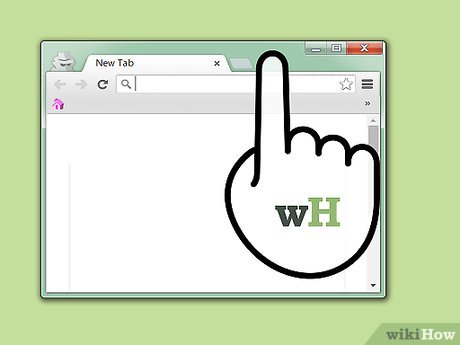 Close an app using your finger. If you are using a touchscreen, drag the app from the top of the screen to the bottom. The app will close and you will be returned to the Start screen.
- This puts the app to sleep so you can quickly open it later. If you want to force it to close, drag and hold the app at the bottom of the screen until it flips over.
 Use the task bar. Move your mouse to the upper-left corner to display a list of all your open apps. If you are using a touchscreen, swipe in from the left side of the screen.[1]
- If you are using a mouse, right-click the app you want to close and select "Close"
- If you are using a touchscreen, drag the app you want to close to the bottom of the screen.
 Press. Alt+F4 to close the active app. This is useful if the "X" is hidden, the app is frozen, or you can't figure out how to make the onscreen controls appear.
Method 2of 3:
Closing Windows in Desktop Mode
 Click the "X" in the upper-right corner. This will immediately close most windows in desktop mode.
- The program may prompt you to save your work before closing.
- Not all programs will close when your press the "X". Instead, the program may minimize to your System Tray in the lower-right corner of the desktop.
 Right-click on the window's icon in the taskbar and select "Close window". The taskbar is located at the bottom of the screen, and open windows will have highlighted icons.
 Press. Alt+F4 to close the active window. This is useful if the "X" is hidden or you can't move the window.
Method 3of 3:
Force-closing a Window or App in Desktop Mode
 Press. Alt+F4 to force close the active window or app. This will work for windows in desktop mode as well as for Windows 8 apps. This is a useful shortcut for frozen programs that aren't responding to clicking the "X".
 Press. Ctrl+⇧Shift+Esc to open the Task Manager. This will open a list of all your running processes, and is the easiest way to close any non responsive programs. By default, the Task Manager will open displaying theProcessestab, which shows all of your open apps and running processes.
- Select the app or process that you want to force close. Frozen apps will say "Not responding".
- Click theEnd taskbutton. Task Manager will attempt to force the program to close.
- If you are still having difficulty closing a program, click here.
FAQ
What is How to Close Windows in Windows 8 about?
It provides a structured overview of close, explains the main context, and highlights practical takeaways for readers.
Why does this topic matter?
Understanding the main concepts helps readers evaluate the issue, avoid common mistakes, and make better-informed decisions.
How should readers use this information?
Use the guidance as a practical starting point, confirm details that may have changed, and follow current product, safety, or security recommendations.
Related Articles
 How to Close Apps in Windows 83 minutes read
 8 Ways to Close Applications and Programs on Windows9 minutes read
 How to Close All Open Windows of an App in Mac Os4 minutes read
 How to Close the Application on Android5 minutes read
 How to Close Windows: Step-by-Step Guide7 minutes read
 Turn on // Off the Prompt 'Do You Want to Close All Tabs?' in3 minutes read
Reader Comments 0
Sign in with email or Google to join the discussion.