Table of Contents
Understanding Macromedia flash requires more than a headline. The overview below breaks down the key facts, changes, and user impact.
Macromedia Flash Overview
1. Create a file with the parameters shown in Figure 1
 Figure 1
2. Rename the layer to the background
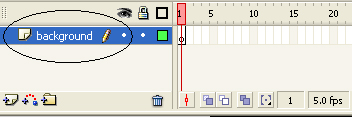 Figure 2
3 Select the Rectangle Tool, adjust the fill color and fill color as shown in Figure 3, and draw a vertical rectangle
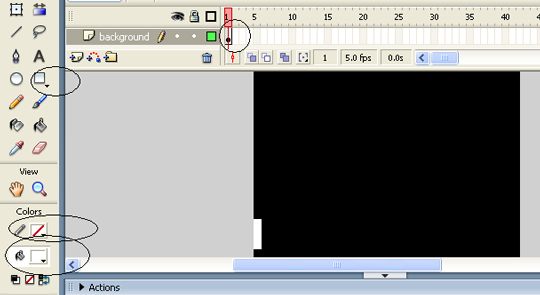 Figure 3
4. Using the Copy and Paste commands to create many identical vertical rectangles
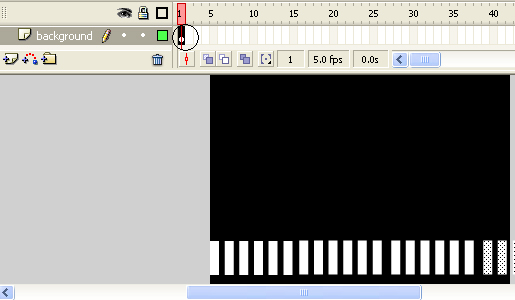 Figure 4
5. Click Frame 1 of the background layer to select all the vertical rectangles. Select Windows > Align and then select the cells like Figure 5 to create a rectangular array of equally spaced tiles
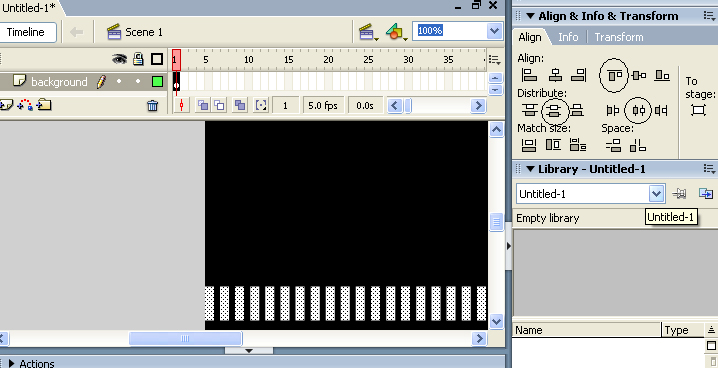 Figure 5
6. Lock the background layer and create a new layer named rectangle
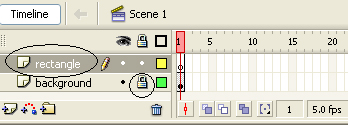 Figure 6
7 Click on Frame 1 of the rectangle layer, select the Rectangle Tool, remove the border color, set the fill color to white and draw a rectangle that covers all the vertical rectangles of the background layer.
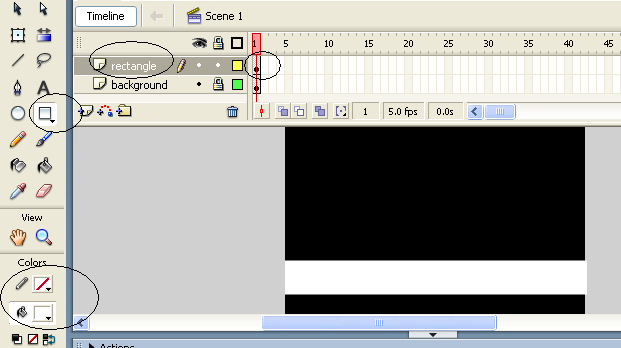 Figure 7
8 Right-click Frame 2 of the layer rectangle and select Insert KeyFrame
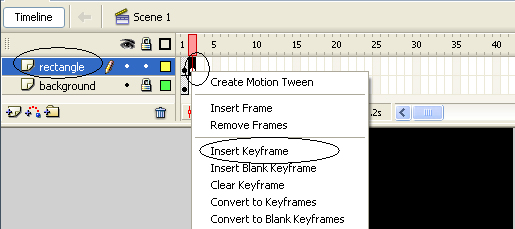 Figure 8
9. Do the same Step 8 for Frame 3, 4,., 10 of the rectangle layer
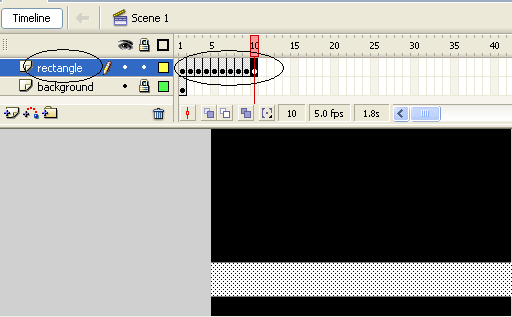 Figure 9
10. Lock the rectangle layer, unlock the background layer, right-click Frame 10 and select Insert Frame
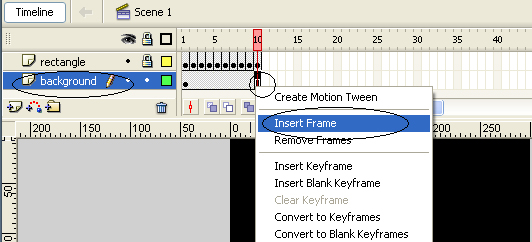 Figure 10
11. Lock the background layer again, click Frame 2 of rectangle layer, select the Selection Tool and drag the mouse into a rectangle over the back of the existing white rectangle.
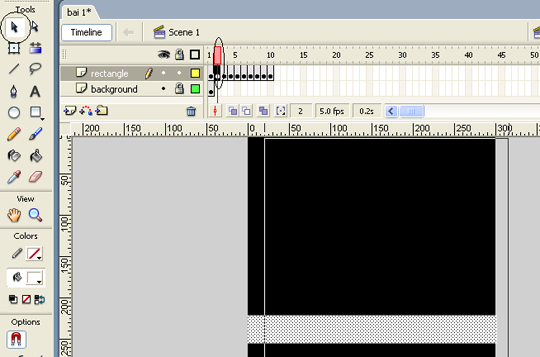 Figure 11
12. Press the Delete key on the keyboard to get the result shown in Figure 12
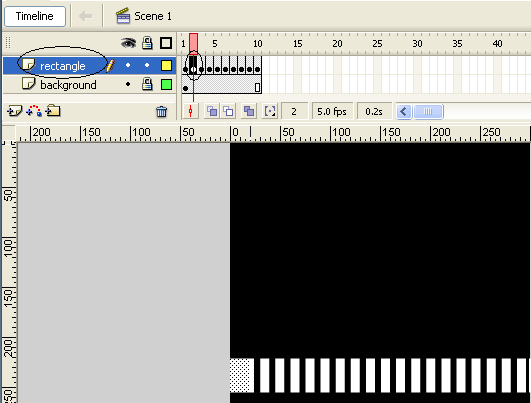 Figure 12
13. Do the same Step 11 and Step 12 for the Frame 3,4,., 10 of the rectangle layer. 14. Press Ctrl + Enter to see the result or download the example file here.
FAQ
What does Flash - Simulates the Windows Boot Process: Macromedia Flash explain?
Understanding Macromedia flash requires more than a headline.
Who is most affected by Macromedia flash?
The overview below breaks down the key facts, changes, and user impact.
What are the key takeaways from this topic?
Macromedia Flash Overview 1.
Related Articles
 Flash - Simulation of Windows Boot Process (P2)3 minutes read
 Flash - Simulating the Windows Startup Process (P3)4 minutes read
 Winsetupfromusb - a Simple Way to Install Windows XP from a USB4 minutes read
 How Does Windows 10 Start Up?3 minutes read
 How to Boot Linux from USB on Windows 109 minutes read
 How to Boot from USB on Windows 7: Complete Guide9 minutes read
Reader Comments 0
Sign in with email or Google to join the discussion.