Table of Contents
Food serves as the main source of nutrition for the body. However, if you are making the following cooking mistakes, you are unintentionally significantly reducing the quality of the dish.
Food is the main source of nutrition for the body. However, if you are making the following cooking mistakes, you are unintentionally significantly reducing the quality of the dish.
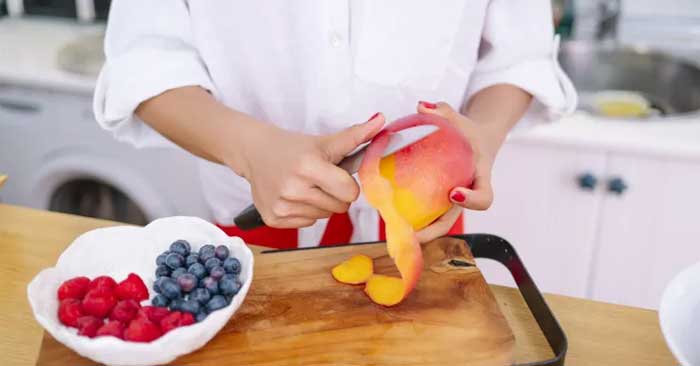
Your everyday cooking habits can be silently reducing the nutritional value of your meals. This includes how you prepare your meals and how they are presented, which can affect their nutritional content and absorption. The good news is that a few small changes can make a big difference.
Peel vegetables
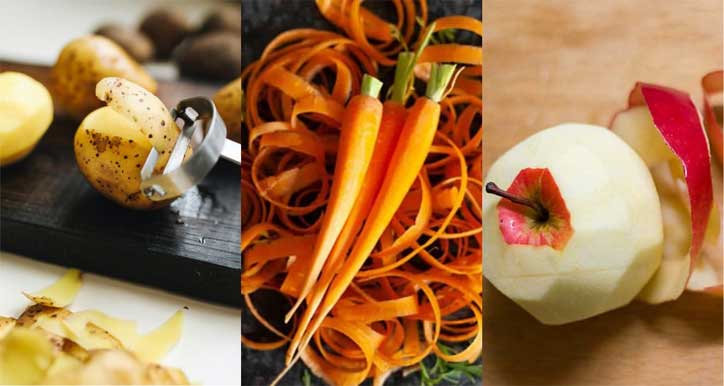
If you're like most people, peeling vegetables is a routine part of meal prep. Maybe you do it to avoid pesticide residue or to give vegetables a more palatable texture. But if you want to increase the nutritional value, you can skip the peeler when preparing certain vegetables.
The skins of vegetables like apples, cucumbers, carrots, and potatoes are rich in fiber, which supports healthy digestion and balanced blood sugar levels. They also contain antioxidants and phytochemicals, which are plant compounds that reduce inflammation and protect cells from damage. Removing the skins means you're losing some of the essential nutrients that make these foods good for gut, heart, and immune health.
Instead, wash fruits and vegetables and leave the skin on if possible to retain nutrients. Methods such as roasting, stir-frying, and pureeing can also soften the skin and make it less visible, making it easier to consume.
Overcooking vegetables
Although boiling vegetables makes them easier to digest, many people still overcook them. When vegetables are overcooked, water-soluble vitamins like vitamin C and some B vitamins can leach into the cooking water. So, unless you use the water you boiled the vegetables in, those nutrients will never make it to your plate.
To preserve the nutrients in vegetables, boil them for shorter periods of time. Stop when the vegetables are bright in color, tender to a fork, and slightly firm, but not mushy. In practice, they have been cooked enough to enjoy, but not so long that most of the vitamins have been leached out. Another tip is to use less water, then reuse it in soups, stews, or sauces so you can reabsorb some of those nutrients. Steaming, stir-frying, and lightly roasting vegetables are also ideal cooking methods to retain maximum nutrition.
Do not combine fat with certain agricultural products.
After decades of 'fat-free' and 'low-fat' marketing, fat has gotten a bad rap—but avoiding it isn't always the best choice. Not only is fat a macronutrient (meaning we need it in large amounts), but it also aids in the absorption of vitamins A, D, E, and K. These vitamins are fat-soluble, meaning your body needs fat to absorb them.
More specifically, fat stimulates the digestive system to secrete bile and transporters, which help to transport these vitamins into the bloodstream. Without fat, nutrients such as beta-carotene in carrots, vitamin K in leafy greens, and vitamin E in spinach or bell peppers would be largely excreted unused.
To get the most out of your product, add a source of healthy fat to help your body absorb fat-soluble vitamins. Drizzle olive or avocado oil over salads and roasted vegetables, sprinkle chia or flax seeds into smoothies, or mix half an avocado into a veggie wrap. Even a small amount, such as a tablespoon of nut butter, will help your body absorb the fat-soluble vitamins in these foods.
Burnt food
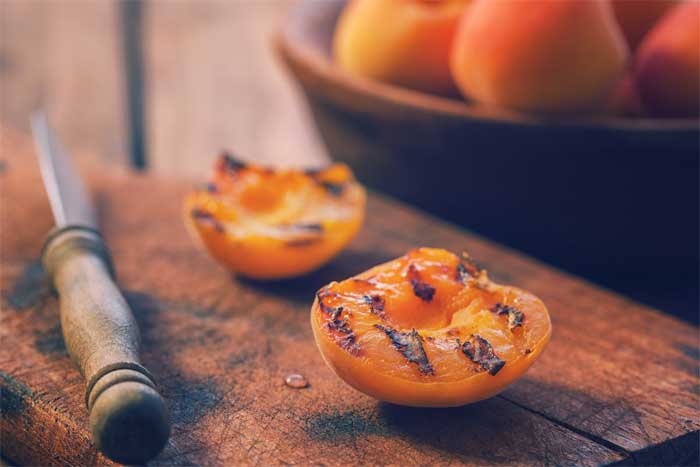
Cooking food until it's slightly charred can be tempting, as it creates a crispy texture and smoky flavor. You can even sear your food to ensure it's thoroughly cooked, especially when grilling or roasting meat. The only problem? However, frying or charring at high temperatures can destroy heat-sensitive vitamins, such as vitamin C and some B vitamins. It can also create harmful compounds like acrylamide in starchy foods. Similarly, charring meat creates chemicals called heterocyclic amines (HCAs) and polycyclic aromatic hydrocarbons (PAHs), which have been linked to inflammation and long-term health problems.
Instead, lightly sauté, grill at a lower temperature, or use an air fryer to achieve a crispy texture without losing too many nutrients. Also, choose a golden brown color instead of a black one. If you crave a smoky flavor, incorporate spices like smoked paprika instead of relying on charring.
Cut vegetables too early
It's no secret that pre-cutting fruits and vegetables saves time. However, cutting them too early can reduce their nutritional value: Once cut, the surface that comes into contact with the food begins to oxidize, breaking down vulnerable vitamins like vitamin C and folate.
To preserve the nutritional integrity of your food, cook it immediately after cutting it. If You should prepare it in advance, store it in an airtight container, wrap it tightly, and squeeze in a little lemon juice to slow down the browning process. You can also soak carrots and celery in water in the refrigerator to keep them fresh and crisp.
FAQ
What should you know about cooking habits that reduce the nutrition of food?
In practical terms, food is the main source of nutrition for the body. However, if you are making the following cooking mistakes, you are unintentionally significantly reducing the quality of the dish.
Why does cooking habits that reduce the nutrition of food matter?
The article highlights that your everyday cooking habits can be silently reducing the nutritional value of your meals.
What is the main takeaway?
The main takeaway is that burnt food Cooking food until it's slightly charred can be tempting, as it creates a crispy texture and smoky flavor.
Related Articles
 Mistakes to Avoid When Cooking6 minutes read
 Nutrition & Food Consumption Trends of 20254 minutes read
 The Pure Foods of Pork Should Not Be Cooked Together4 minutes read
 6 Best Cooking Websites for Beginners5 minutes read
 Talent Cooking Skillfully with the Mobile App 'Eat Well'6 minutes read
 If You Eat a Lot of Food, Your IQ Will Decrease4 minutes read
Reader Comments 0
Sign in with email or Google to join the discussion.