Table of Contents
This guide provides a practical overview of Add Graphs to Slides in PowerPoint, including its main features, benefits, limitations, and important considerations.
1. Create a chart.
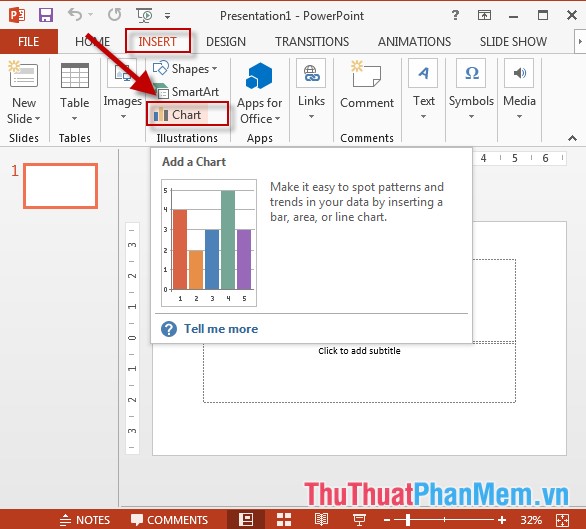
Step 1: Go to the Insert tab -> Chart:
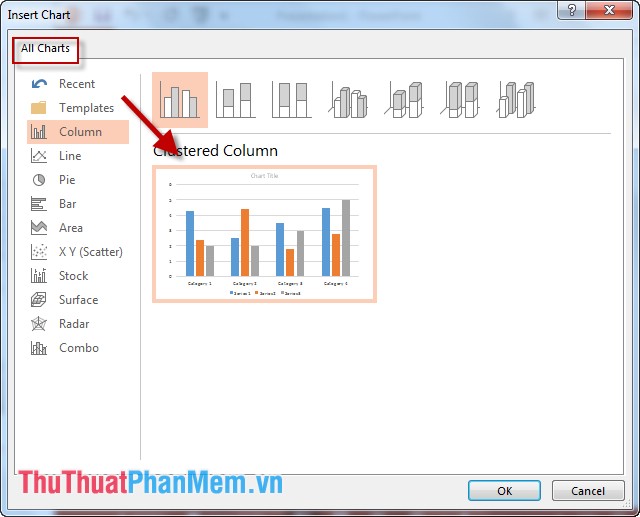
Step 2: The dialog box appears select the type of chart you want to create -> click OK:
Step 3: After selecting the chart type, enter the data you need to create the chart:
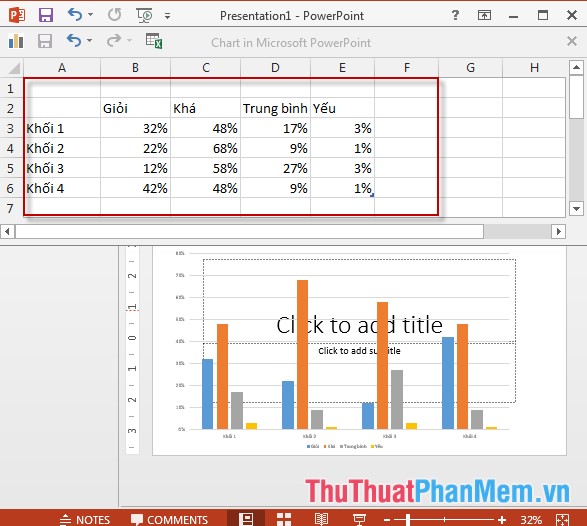
- The graph results have been created:

2. Edit the chart.
2.1 Change the font, there is text on the chart.
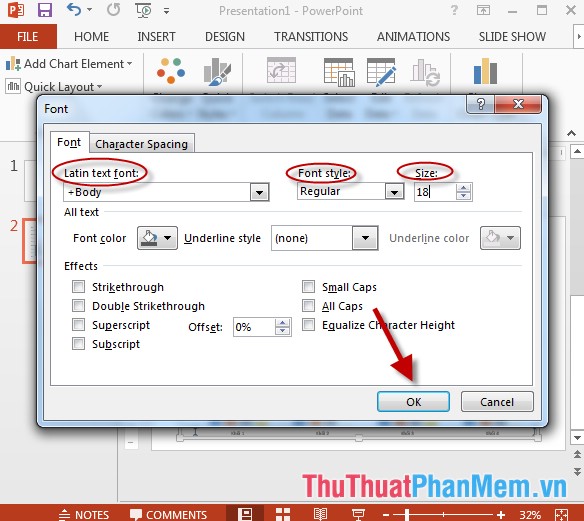
- In case the text on the chart is too small, right-click on any text on the graph-> select Font:

- A dialog box appears -> select the font, font style and font size as required -> click OK:
- After making your selection, edit and add content to the title of the chart:
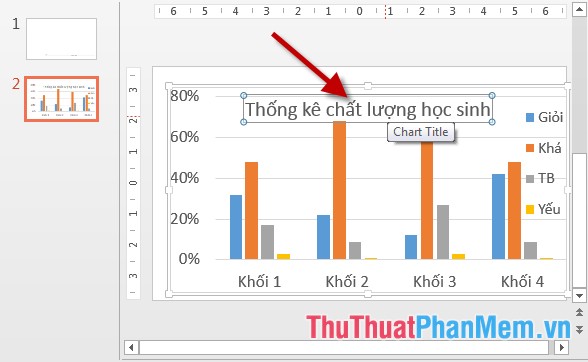
2.2 Add other elements to the chart.
- Click on the Chart Element icon, the list of elements that lets you add to the chart, for example, adding data on the chart, and clicking Data Labels:
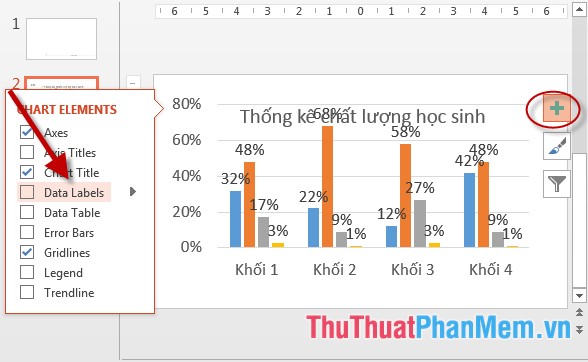
2.3 Edit chart style.
- Click on the Chart Style icon -> list of display chart templates -> select the template you want to change for the chart:
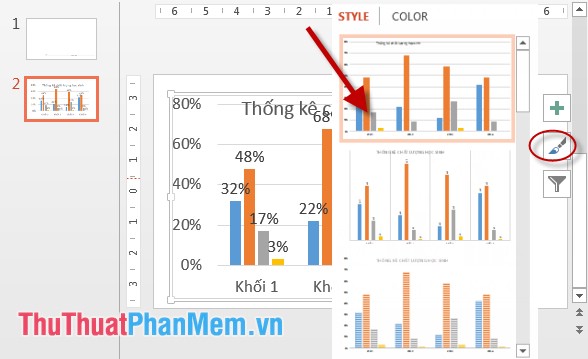
2.4 Filter data on a chart.
- If you want to filter the data on the chart by a certain criteria, click Chart Fillters -> select the criteria to filter in the list:
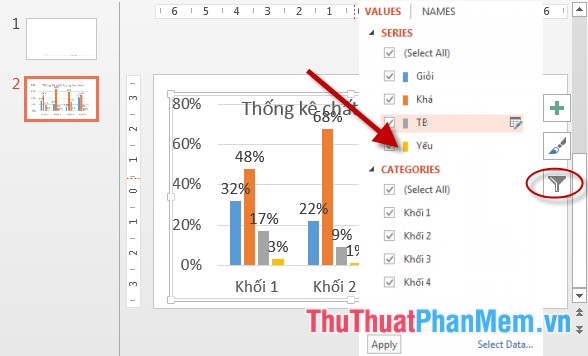
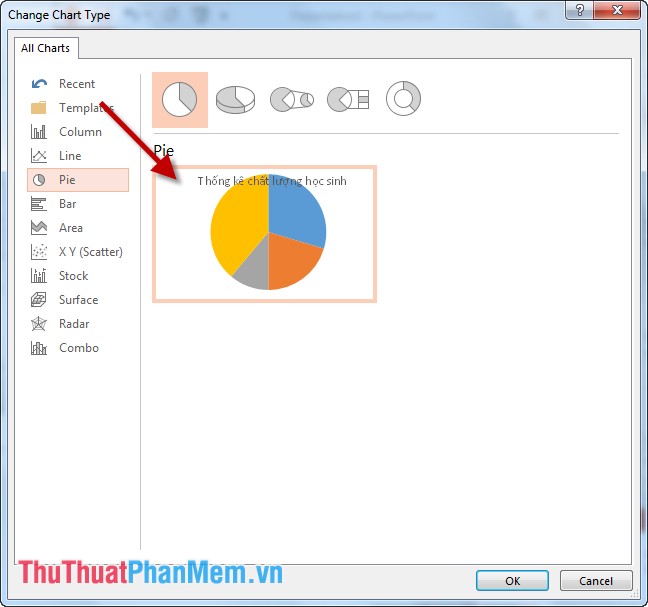
In addition to changing the chart type, click on the chart -> Design -> Change Chart Type:

- The Change Chart Type dialog box appears, select the type of chart you want to change -> click OK:
- Results after changing the chart type:
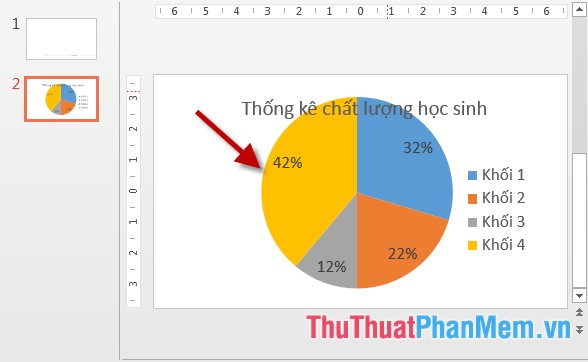
The above is a detailed guide on how to add charts in PowerPoint.
Good luck!
FAQ
What should I know about Add Graphs to Slides in PowerPoint?
Focus on the key features, requirements, limitations, and practical use cases explained in this guide.
How do I get the best results with Add Graphs to Slides in PowerPoint?
Follow the recommended steps, use current software or information, confirm compatibility, and review settings before major changes.
Are there any risks or limitations?
Potential limitations depend on compatibility, data quality, cost, privacy, support, and how the product or method is used.
Related Articles
 Basic Information About Slides in PowerPoint 201611 minutes read
 PowerPoint 2016: Basic Information About Slides12 minutes read
 PowerPoint 2019 (Part 4): Basic Slide Concepts: Explained11 minutes read
 How to Convert Google Slides to Powerpoint3 minutes read
 How to Delete Duplicate Slides on Powerpoint Is Very Simple3 minutes read
 How to Add and Print Notes in PowerPoint Slides8 minutes read
Reader Comments 0
Sign in with email or Google to join the discussion.