Table of Contents
Microsoft Windows 8: 5 Ways to Speed Up Windows 8 is easier to understand when the core ideas are paired with practical examples. The sections below explain the topic clearly, highlight useful steps, and point out details that can prevent common errors.
Windows 8 is currently a very fast operating system compared to previous versions such as Windows XP and Windows 7 especially when booting.Although it is a great thing to do, however, if you want Windows 8 to work faster with what you want, you can use the same tips below.
1. Turn on the quick start feature
Quick start is a new feature of Windows 8, which helps the computer to quickly reboot as if it was shutdown. If you do not enable fast booting, Windows 8-based computers will not be able to have the desired performance. To enable this feature in Control Panel , open Power Options and click Choose what the power button does.
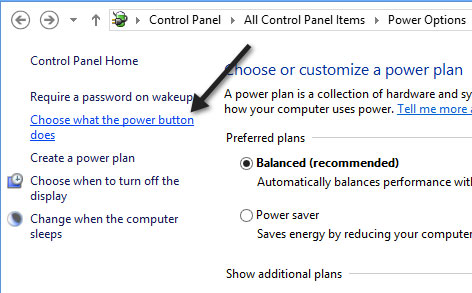
Then scroll down and you will see the Turn on fast startup checkbox, tick to select this option.
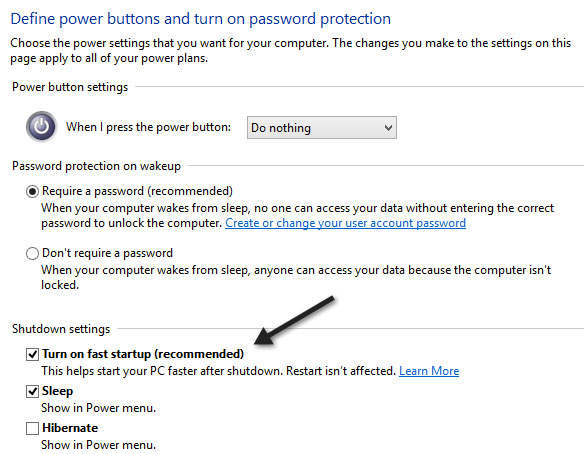
However, there may be some cases where you don't see the Turn on fast startup option as shown below:
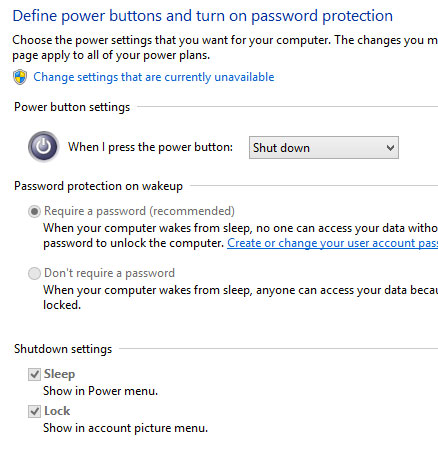
In this case, it means hibernation is not enabled on your computer. To get the option, allow hibernation to be enabled. You can do this by opening the Command Prompt and typing the following command: powercfg / hibernate.
2. Optimize your drive
Keep your hard drive optimized by using the drive optimization feature (Optimize Drives) available in Windows 8, which is a basic tool that can replace Disk Defragmenter. To enable disk optimization, do the following: Go to My Computer, select a drive, then click the Manage tab and then click on Optimize button .
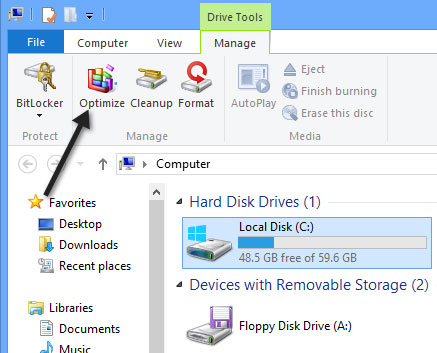
Then, the Optimize Drives dialog box will appear, where you will see a list of your drives and their current status (fragmentation percentage).

In Windows 8, the drive will automatically be scheduled to optimize on a weekly basis. You can optimize or defragment the drive in Windows 8 by selecting it and then clicking the Optimize button .
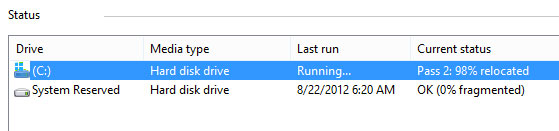
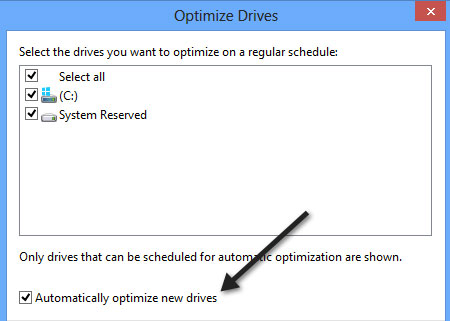
This will start the defragmentation process manually and you will see that Windows 8 does not have two paths to move fragmented data on the hard drive, you can also click the Analyze button to quickly update the Fragmented percentage value. If you want to change the automatic optimization schedule, click Change settings .

You can remove the schedule to defragment automatically off or you can change it from weekly to daily or monthly. You can also select all drives or a specific drive to change the schedule for them easily.
3. Adjust to the best performance
Animations, shadows and other small visual effects all have unnecessary uselessness. To speed up Windows 8 operation, we should disable them by right-clicking Computer , selecting Properties and then clicking Advanced System Settings .

In the System Properties dialog box, click on the Advanced tab and then click Settings Settings under Performance .
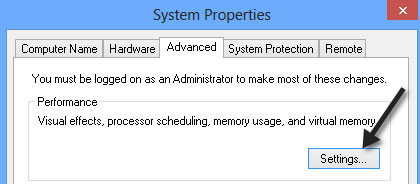
Finally, click Adjust for best performance , basically you need to uncheck all animations and effects.

4. Edit the startup item
As with all versions of Windows, you need to disable all useless and same startup items that apply to Windows 8. Instead, in MSCONFIG , you will find boot entries available in the public. manage, move to it and disable anything without having to start when logging on Windows.

5. Close, open the application
Finally and most importantly, you need to know the number of Metro applications you have run. Unlike desktop applications, you won't have a quick way to see how many applications you have open. You must move the mouse to the left of the screen to see the metro applications open and then manually close each application.
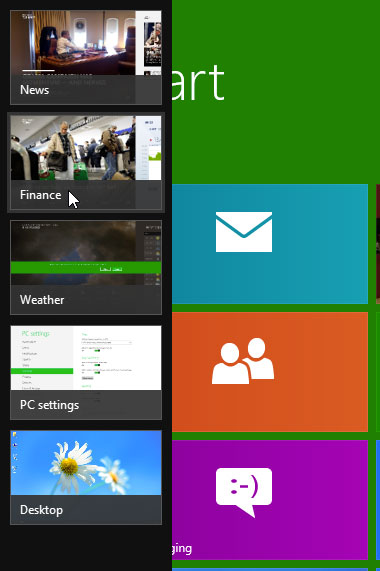
However, there is an easier way to do this! If you open PC Settings (open the Charms bar, click Settings select Change PC Settings ) and click on General , you will see an option in App Switching called Delete History .
FAQ
What should you know about 1. Turn on the quick start feature?
Quick start is a new feature of Windows 8, which helps the computer to quickly reboot as if it was shutdown. If you do not enable fast booting, Windows 8-based computers will not be able to have the desired performance. To enable this feature in Control.
What should you know about 2. Optimize your drive?
Keep your hard drive optimized by using the drive optimization feature (Optimize Drives) available in Windows 8, which is a basic tool that can replace Disk Defragmenter. To enable disk optimization, do the following: Go to My Computer, select a drive, then.
What should you know about 3. Adjust to the best performance?
Animations, shadows and other small visual effects all have unnecessary uselessness. To speed up Windows 8 operation, we should disable them by right-clicking Computer, selecting Properties and then clicking Advanced System Settings.
Related Articles
 Tips to Help Win 10 Boot Faster: How to Speed Up Windows 109 minutes read
 Speed up Computers: 8 Simple Ways to Speed up Windows 76 minutes read
 30+ Ways to Speed up Your Computer Effectively on Windows 1021 minutes read
 How to Speed up Windows 10 for Maximum Performance When It9 minutes read
 How to Speed Up Windows 10/11 Startup10 minutes read
 12 Ways to Speed up Windows 10 Extremely Effectively 202114 minutes read
Reader Comments 0
Sign in with email or Google to join the discussion.