Table of Contents
This guide provides a clear overview of disk defragmenter, including 1. Use the Start Menu Search Bar, 2. Using the Run Command Dialog Box. Use it to understand the topic, compare the available options, and make a more informed decision.
1. Use the Start Menu Search Bar
The search bar in the Start menu gives you easy access to almost any application on your Windows device. So here's how you can use this tool to open the Disk Defragmenter application:
- Press Win + S or click the search bar icon in the Start menu on the taskbar.
- Type Defragment and optimize the drive and select the best match.

2. Using the Run Command Dialog Box
Alternatively, you can access the Disk Defragmenter application using the Run command dialog box.
Here are the steps you need to follow:
- Press Win + R to.
- Type dfrgui and press Enter to open the Disk Defragmenter application.

Note : You can also access third-party applications using the Run command dialog.
3. Using the Start Menu
The Windows Start menu also makes it easy to access the apps on your device. So let's see how you can use it to open the Disk Defragmenter application:
- Press Win or click the Start menu icon on the taskbar to access the Start menu.
- Click the Windows Administrative Tools folder from the menu items on the left.
- Locate and click on the Defragment and Optimize Drives option.

4. Use the File Explorer Address Bar
You can use File Explorer every day to manage your files. TipsMake.com has mentioned it quite a lot in tips for managing and organizing computer files. Now, the good news is that you can also use the tool's address bar to open a variety of apps.
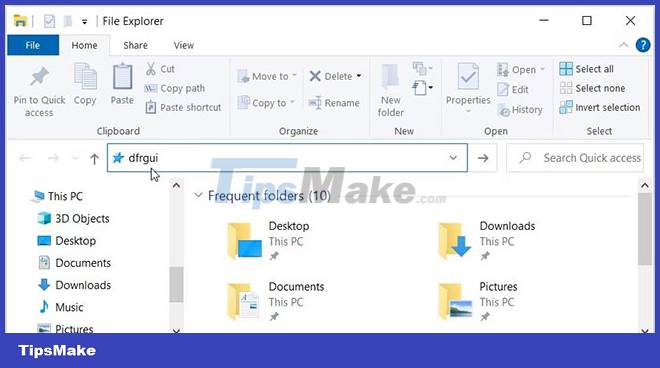
Here's how you can open the Disk Defragmenter application using File Explorer's address bar:
- Press Win + E to.
- Type dfrgui in File Explorer's address bar and press Enter to open the Disk Defragmenter application.
5. Using System Settings
System settings can help you fix almost any problem on your Windows device. Interestingly, you can also use system settings to open software programs on your PC.
Here are the steps to open the Disk Defragmenter application using the system settings:
- Press Win + I to open system settings.
- Type Defragment and optimize your drives in the search box, and then select the relevant option.

6. Use Task Manager
Task Manager helps you analyze your PC's performance or force close problematic programs. Now, the best part is that you can also use this tool to access almost any app on your Windows device.
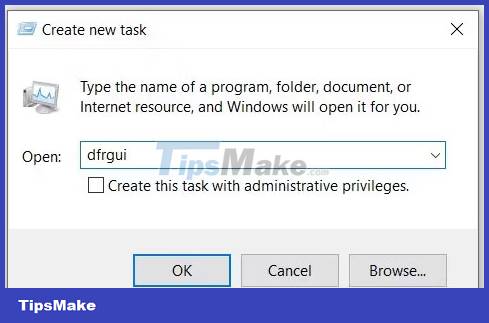
Here's how you can open the Disk Defragmenter application using Task Manager:
- Type Task Manager in the Start menu search bar and select the best match.
- Click the File tab and select Run new task .
- Type dfrgui in the search box and click OK to access the Disk Defragmenter application.
Speaking of Task Manager, did you know there are ways to force close a program without Task Manager?
7. Using the Control Panel
The Control Panel can help you troubleshoot various PC problems or access most applications.
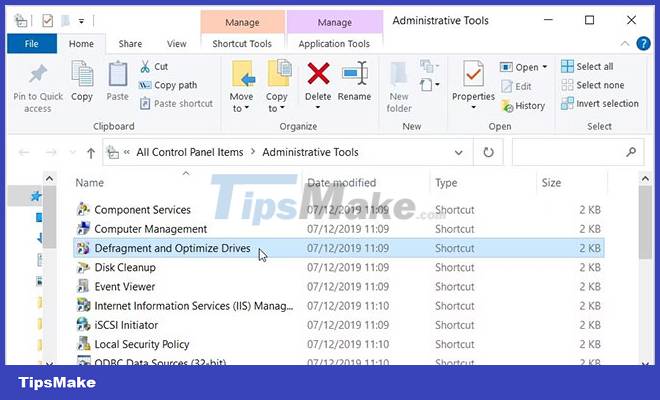
Here's how you can use this tool to open the Disk Defragmenter application:
- Press Win + R to open the Run command dialog box.
- Type Control Panel and press Enter.
- Click the View by drop-down menu and select Large icons.
- Select Administrative Tools from the menu items.
- Double-click the Defragment and Optimize Drives option.
8. Use Command Prompt or Powershell
Command Prompt and PowerShell are reliable when it comes to PC troubleshooting or configuring system settings. Now you'll be happy to know that these tools can also help you open a variety of apps.
Here's how you can open the Disk Defragmenter application using Command Prompt:
- Press Win + R to open the Run command dialog box.
- Type CMD and press Ctrl + Shift + Enter to.
- Type the following command and press Enter to open the Disk Defragmenter application.
dfrguiNow, let's see how you can open the Disk Defragmenter application using PowerShell:
- Type PowerShell into the Start menu search bar.
- Right click on the best match and select Run as administrator .
- Type the following command and press Enter to open the Disk Defragmenter application.
dfrgui9. Search for the Recovery Drive Application in the System32. Folder
You can access most of the applications on your device by clicking on the relevant files in the Windows System32 folder.
Here's how you can open the Disk Defragmenter application from the System32 folder:
- Press Win + E or click the File Explorer icon on the taskbar to access File Explorer.
- Select This PC on the left hand side.
- Double-click the Local Disk (C:) option on the right and then open the Windows folder.
- Scroll down and open the System32 folder .
- Locate and double-click the Defrag file to access the Disk Defragmenter application.

If you want to make the Disk Defragmenter application easily accessible, then you should consider pinning it to the taskbar. To do that, right-click on the Defrag file in the System32 folder and then select Pin to taskbar .
10. Use the Disk Defrag Desktop Shortcut
Desktop shortcuts make it easy to access applications on your PC. So, let's see how you can create a desktop shortcut for the Disk Defragmenter application:
- Press Win + D to access the desktop.
- Right-click an empty space on the desktop.
- Choose New > Shortcut .
- Enter %windir%system32dfrgui in the location box and then click Next to continue.
- From there, click in the Name box and type Disk Defrag App or something similar. Finally, click the Finish button.

Now you can easily open the Disk Defragmenter application at any time using the desktop shortcut you just created.
Conclusion
Understanding Disk Defragmenter makes it easier to compare options, avoid common mistakes, and apply the information in this guide more effectively. Review the relevant requirements before making changes or choosing a solution.
FAQ
What is Disk Defragmenter?
Here are the steps you need to follow: Press Win + R to.
Why is Disk Defragmenter important?
Understanding Disk Defragmenter helps you evaluate features, compatibility, performance, and potential limitations before you choose a product or follow a procedure.
What should you consider when using or choosing Disk Defragmenter?
Consider your specific goal, compatibility requirements, available features, cost, security, and the practical recommendations described in this guide.
Related Articles
 Disk: How to Defrag Windows 73 minutes read
 9 Ways to Open Disk Management in Windows 103 minutes read
 Disk Defragmenter Tool: Use Disk Defragmenter in Windows6 minutes read
 Automate Maintenance Tasks for Windows Computers19 minutes read
 How to Open Disk Management on Windows 113 minutes read
 Fix 100% Full Disk Error on Windows with the Following 14 Tips10 minutes read
Reader Comments 0
Sign in with email or Google to join the discussion.