Table of Contents
This guide provides a practical overview of Perform Printing, including its main features, benefits, limitations, and important considerations.

After setting up the page to print the final step, you can manipulate to print the worksheet in Excel.
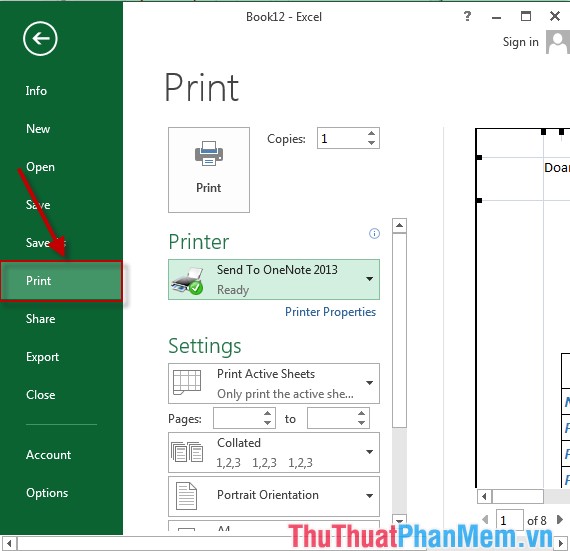
Step 1: After setting up the worksheet -> click File -> Print:
Step 2: The Print window appears in the pages section : select the number of pages to print, for example print from page 2 to page 21:

Step 3: Select the printing type when the number of copies is greater than 1:
- Collated: Print the page numbers in the first version and then the second version.
- Collated: Print the page numbers in the first version and then the second version.
- Uncollated: Print the first page of all copies in turn, then move to the next page.

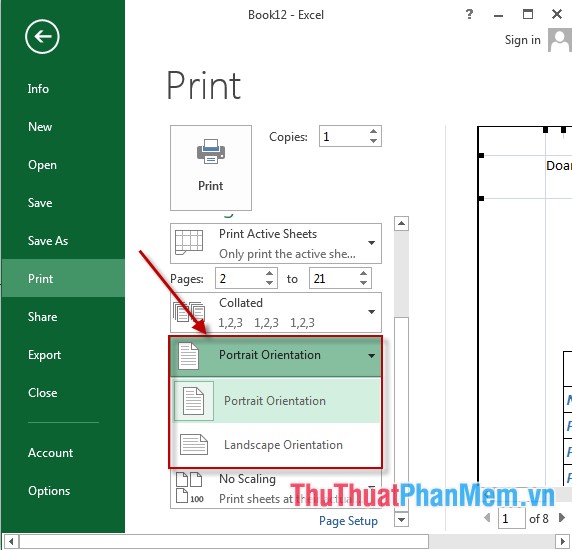
Step 4: Select printing direction:
- Portrait Orientation: Vertical orientation.
- Landscape Orientation: Horizontal paper orientation.
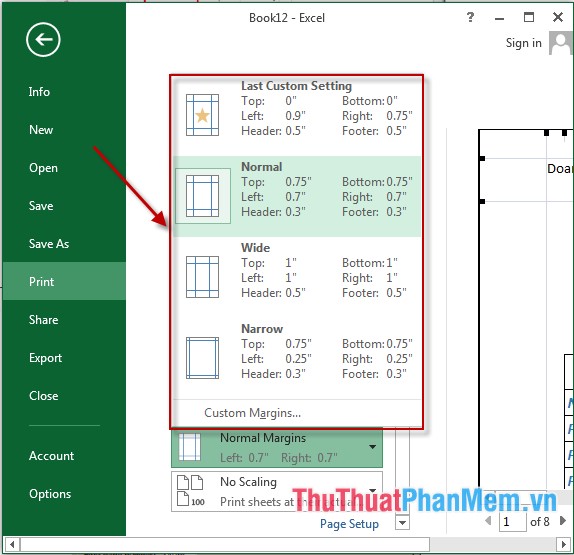
Step 5: Align the printed page as shown:
- Top: Top margin.
- Bootom: Bottom margin.
- Right: Right margin.
- Left: Left margin.
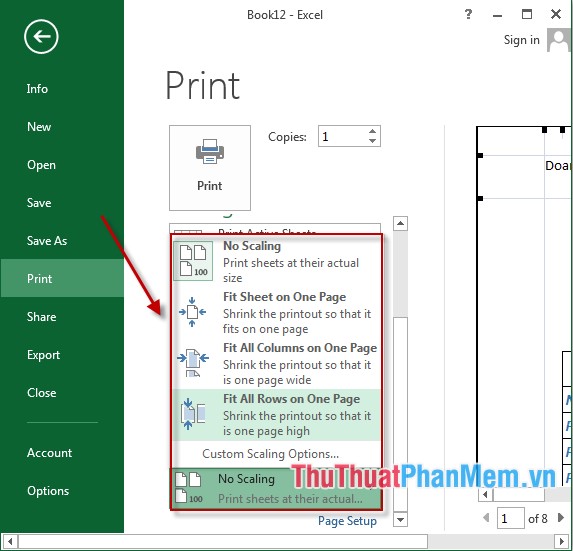
Step 6: Verify the number of pages printed on a sheet of paper is described as shown:
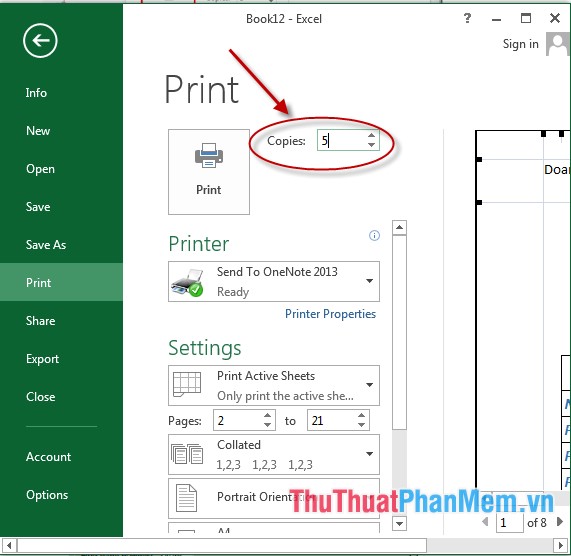
Step 7: Click Copies to enter the number of prints:
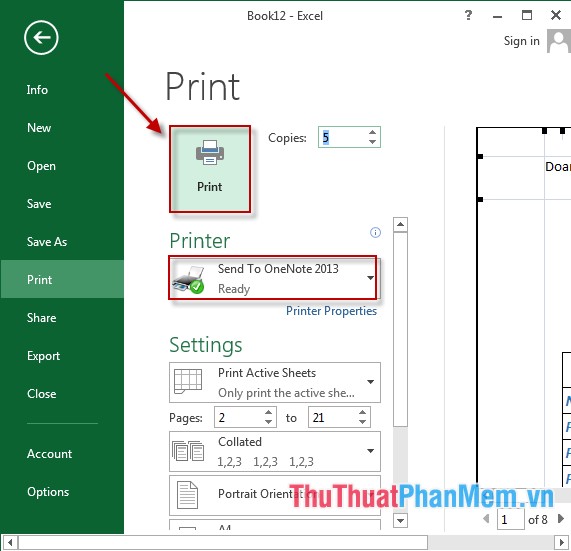
Finally, click on the printer to select the printer and click on Print to print the data:
Above is a detailed guide to you how to perform printing in Excel 2013.
Good luck!
FAQ
What should I know about Perform Printing?
Focus on the key features, requirements, limitations, and practical use cases explained in this guide.
How do I get the best results with Perform Printing?
Follow the recommended steps, use current software or information, confirm compatibility, and review settings before major changes.
Are there any risks or limitations?
Potential limitations depend on compatibility, data quality, cost, privacy, support, and how the product or method is used.
Related Articles
 Instructions for Printing Two-Sided Paper in Word, PDF, Excel6 minutes read
 How to Fix the Error of Printing Without Finishing the Page3 minutes read
 How to Fix the Error of Printing Missing Documents in an Excel Sheet4 minutes read
 Some Printing Tips Are Essential in Excel8 minutes read
 Excel 2019 (Part 11): Layout and Printing9 minutes read
 Show You How to Align the Printed Excel File with A4 Paper3 minutes read
Reader Comments 0
Sign in with email or Google to join the discussion.