Table of Contents
Follow the instructions below to use photoshop cs5 - part 27: create a motion effect on any efficiently and safely. Each section focuses on the actions, settings, and troubleshooting details that matter most.
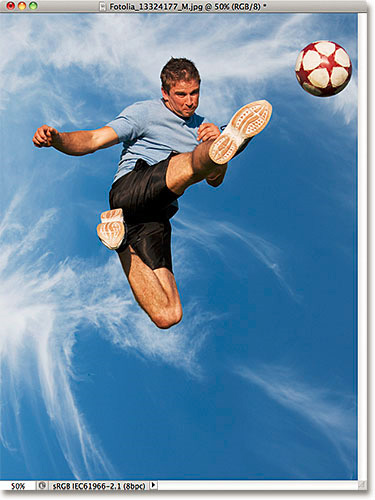 Photo source: Fotolia
How Use Photoshop CS5 - Part 27 Works
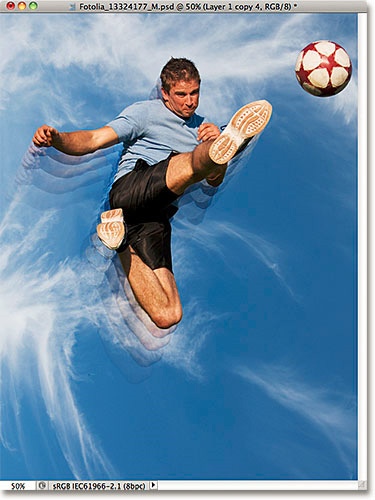
And this is the final result after you've successfully completed the tutorial:
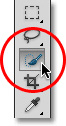
The first thing to do is to select the main object to apply in the image using tools such as Lasso Tool, Quick Selection Tool, Pen Tool. In this example, we use the Quick Selection Tool. From the main control panel:
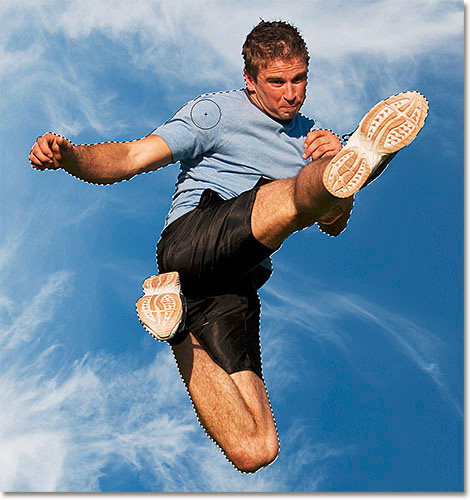
Select the Quick Selection Tool And hover to select parts of the main object (here is the athlete image). Depending on each photo, textures and colors, use the tool as appropriate and as accurately as possible:
Then, select the Layer Menu > New> Layer via Copy , or press the shortcut Ctrl + J (Windows) / Command + J (Mac):

If you look at the image, we will see nothing else, but Photoshop has created a new copy of the currently selected object on a layer, and automatically renames it to Layer 1 Above the original Layer:

Then then create a new copy layer with the same operation. At this point, we will have 2 copy layers as shown below:
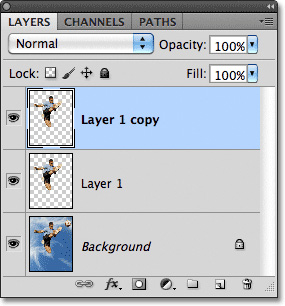
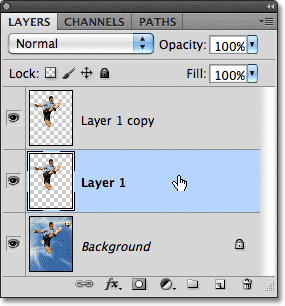
To continue, we choose Layer 1:
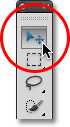
Use the Move Tool Or press the shortcut V:
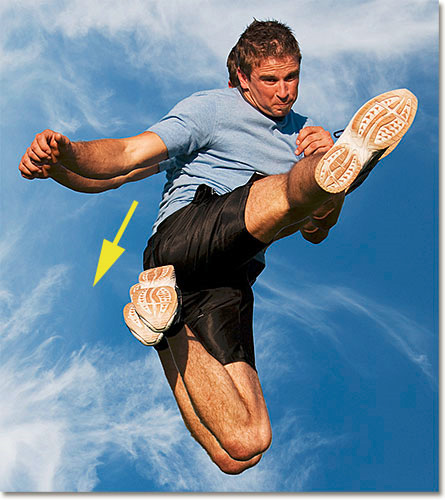
Then, move the main object in the direction of creating the Motion effect. Specific example as shown below:
Change the Blend Mode to The Layer Window from Normal to Soft Light:
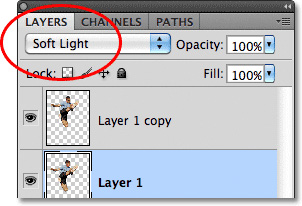
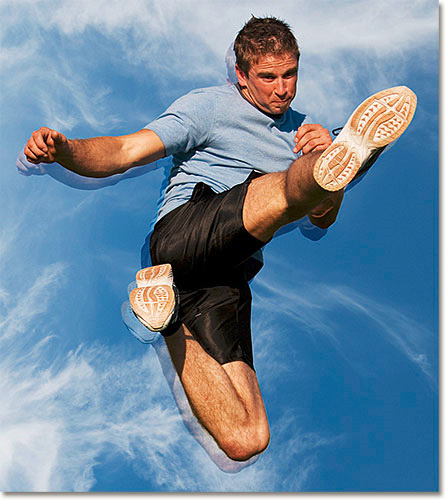
As a result, we will have a blurry image of the main object as follows:
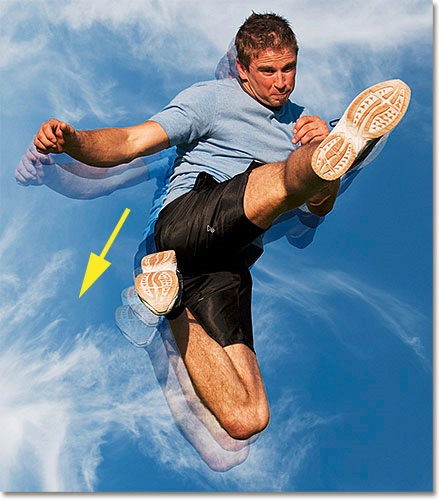
Still select Move Tool , press and hold Alt (Windows) or Option (Mac) , then click the inside of the image and move in the same direction with a little further distance:
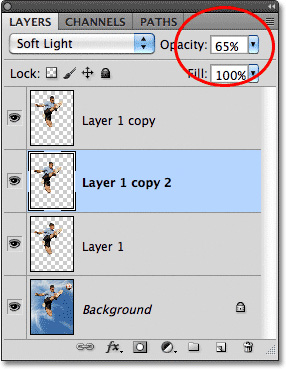
After looking at the Layer panel, we will see 3 copy layers of the main object displayed. The next thing to do is to change the Opacity of these layers accordingly (about 65% ):
Next result at this step:
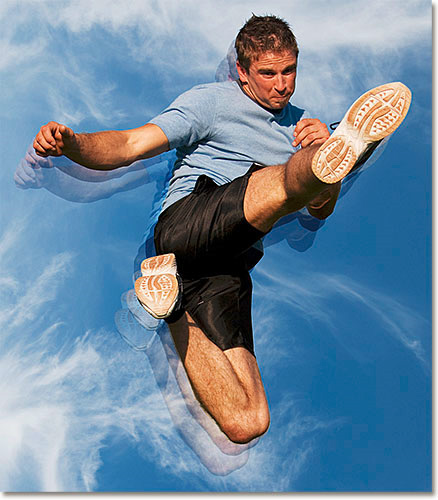
Depending on your photos and specific needs, repeat the above actions until you get the best results possible. And note that the Opacity Of the following layers must always be smaller than the previous layer:

And this is the result of us in this test:
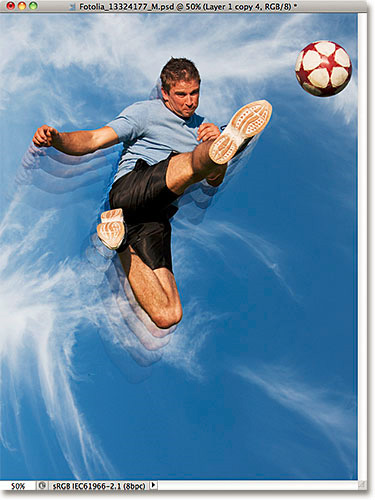
Straightforward, with just a few basic steps, we have created a desired work with a quite strange effect and high efficiency. Good luck!
FAQ
What should I prepare before I use photoshop cs5 - part 27?
Review the requirements in the guide, confirm that your device or software is compatible, and save important work before changing settings related to use photoshop cs5 - part 27.
Why might use photoshop cs5 - part 27 not work as expected?
The most common causes are incompatible versions, missing permissions, incorrect settings, or an interrupted internet connection. Recheck each step and restart the app or device when appropriate.
Can beginners follow these use photoshop cs5 - part 27 steps?
Yes. Follow the steps in order, avoid skipping confirmation screens, and compare your interface with the screenshots because labels may differ slightly between versions.
Related Articles
 How to Use Photoshop CS5 - Part 14: Create Motion Effects6 minutes read
 How to Create Whirlpool Effect on Photoshop: Photoshop Effects4 minutes read
 How to Use Photoshop CS5 - Part 29: Create a Zoom Effect in a Photo6 minutes read
 How to Use Photoshop CS6 (Part 4): Create a Fading Effect9 minutes read
 How to Use Photoshop CS5 - Part 21: Create Water Ripple Effect in8 minutes read
 Learn How to Create a Fade Effect With Photoshop CS610 minutes read
Reader Comments 0
Sign in with email or Google to join the discussion.