Table of Contents
This practical guide walks through how to turn Off Update Win 11 Permanently, Block the Current. It organizes the required steps, settings, and checks so you can complete the task with fewer mistakes.
Turning Off Windows 11 updates Not only helps you control your computer flexibly but also avoids unwanted annoyances. To do this, you can use Services, Group Policy Editor or perform fine-tuning steps through Registry Editor
Table of Contents: 1. Turn off Windows 11 update using Services. msc. 2. Turn off Windows 11 updates using Group Policy Editor. 3. Turn off Windows 11 update while updating via Settings. 4. Stop updating Windows 11 using Registry Editor. 5. Some questions when turning off Update Win 11.
How to Turn Off Windows 11 Update via Services. Msc
Discover how to use Services. msc to customize update services and prevent them from running automatically. Leverage the power of Services. msc to gain full control and maintain your Windows 11 PC the way you want it
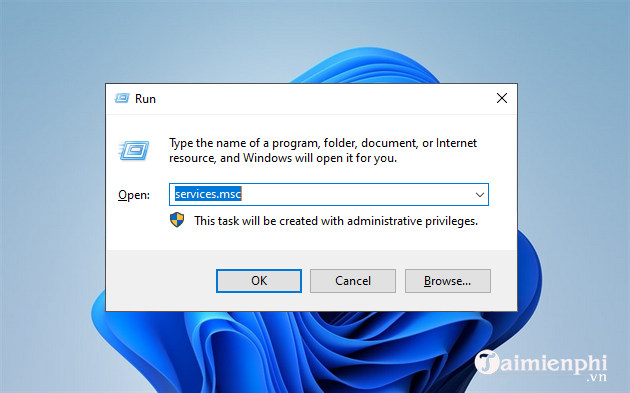
Step 1: select theWindows + R Key combination to open the Run dialog box. Step 2: Enter Services. msc And select Enter To open the Services window .
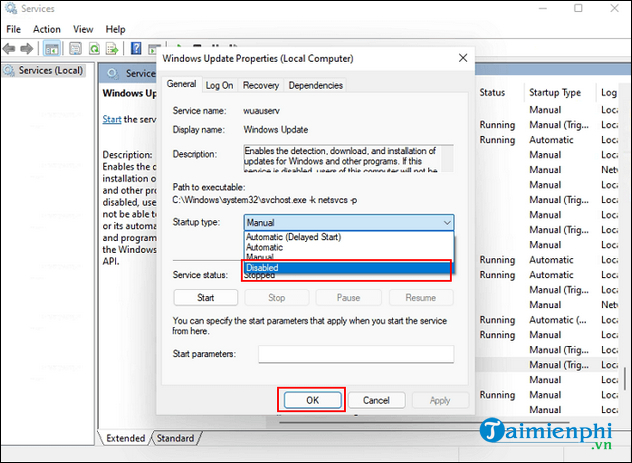
Step 3: Find Windows Update From the list of services and select the Stop button. Step 4: In the Startup Type Section, select Disabled From the drop-down menu. Then, select the OK Button to save changes.
Besides, if you update Windows 11 to a new version and encounter errors, you can also uninstall the new update and return to the old version to wait for the errors to be fixed.
Turn Off Windows 11 Updates Using Group Policy Editor
If you have ever turned off Windows 10 updates using Group Policy Editor, you probably know how to do it, but for newbies, this is not easy, specifically as follows:
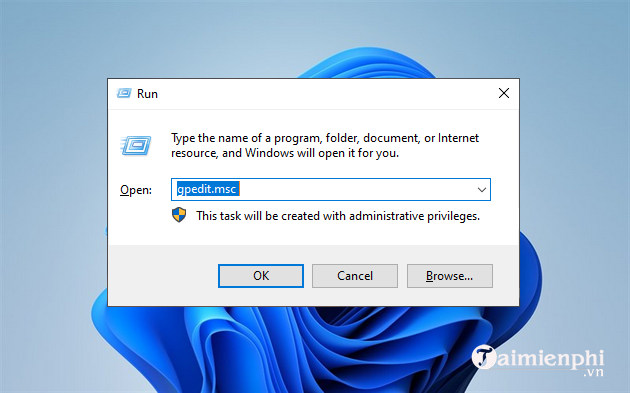
Step 1: select theWindows + R Key combination to open the Run dialog box. Step 2: Enter Gpedit. msc And select Enter to open theGroup Policy Editor Window.
Step 3: In theLocal Group Policy Editor Window, open Local Computer Policy > Computer Configuration > Administrative Templates > Windows Components > Windows Update > Windows Update for Business.
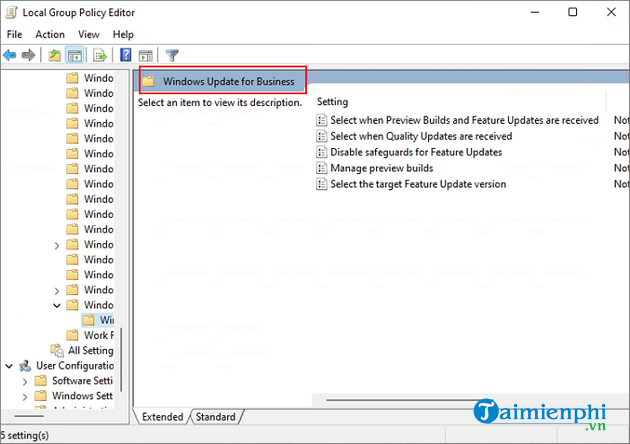
Step 4: Double select the setting Select the target feature update version.
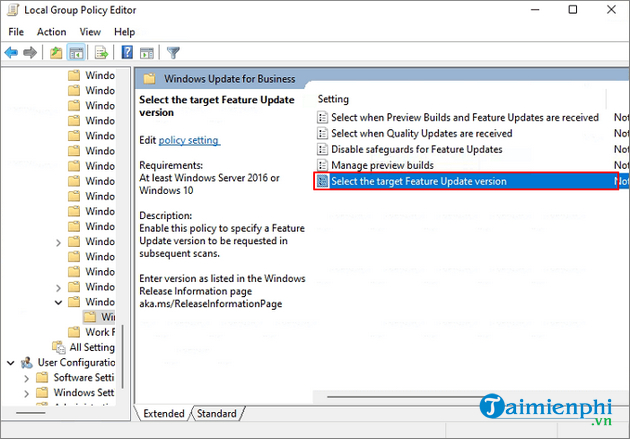
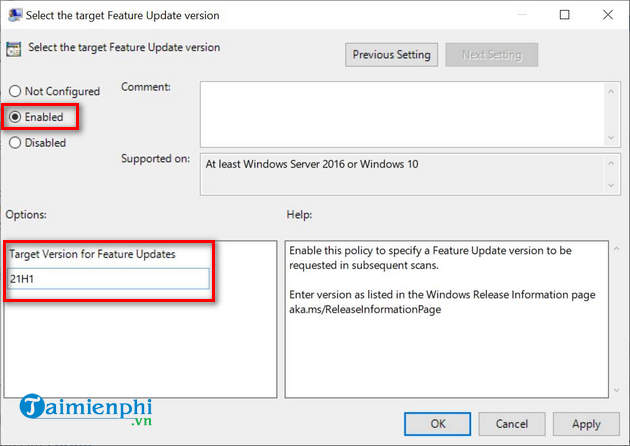
Step 5: Select Enabled And enter 21H1 In the Target Version for Future Updates field. Select OK To save changes.
How to Turn Off Windows 11 Update While Updating
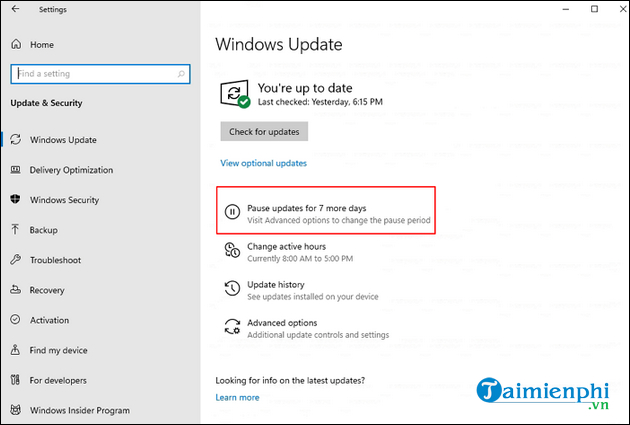
Another way to turn off Windows 11 updates is to pause weekly updates. You do the following:
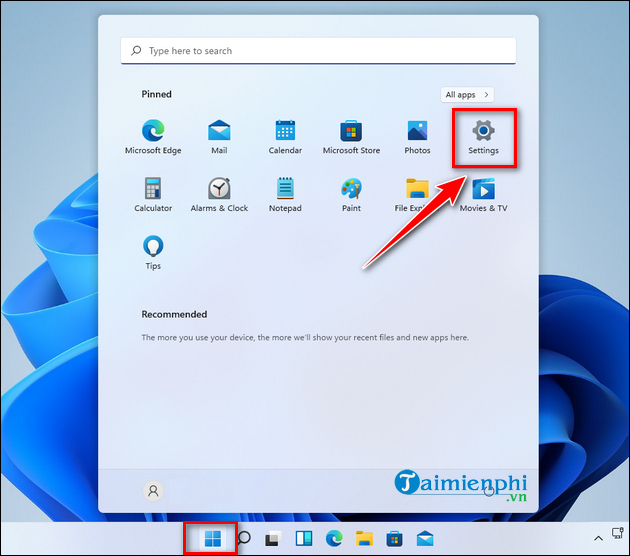
Step 1: Select The Windows icon On the taskbar and select Settings or selectThe Windows + I Key combination to open Settings.
Step 2: Select Update & Security and selectThe Pause updates for 7 days Option.
How to Turn Off Windows 11 Updates Using Registry Editor
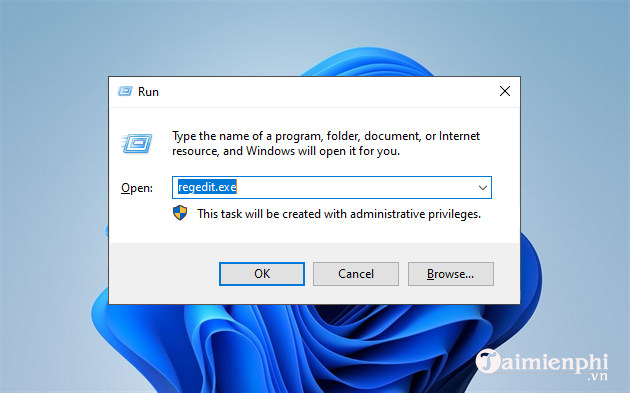
Step 1: Select Windows + R To open the Run dialog box . Step 2: Enter Regedit. exe And select Enter To open the Registry Editor window .
Step 3: Open HKEY_LOCAL_MACHINESOFTWAREPoliciesMicrosoftWindowsWindowsUpdate. Step 4: Set theDWORD (32-bit) Value to 1.
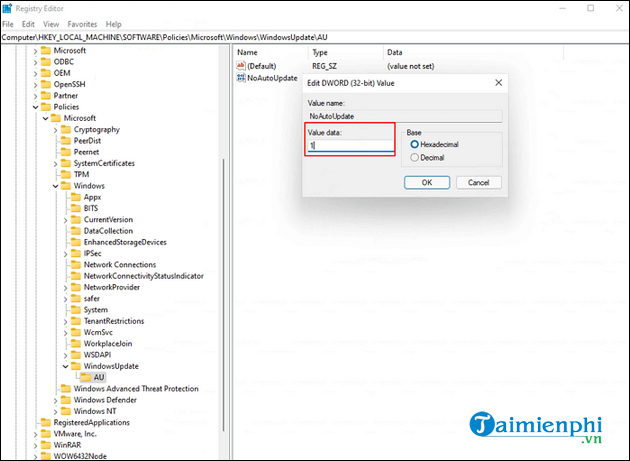
If this value does not exist, right-select Windows Update And select New > Dword (32-bit) Value . Then set the value of TargetReleaseVersionInfo To 21H1 . - Note: You should backup your Registry settings before repairing to restore to the original state if you encounter an error.
Some Questions When Turning Off Windows 11 Update
1. How to Safely Turn Off Windows 11 Updates?
To turn off automatic updates on Windows 11, you can open "Settings," select "Windows Update," then adjust the options in the "Advanced options" section to schedule updates or turn them off.
2. What Risks Are There When Turning Off Windows 11 Updates?
Turning off updates can put your computer at security risk, as you won't receive new security and bug fixes from Microsoft, increasing your risk of malware or virus attacks.
3. Is There Any Way to Keep the System Safe and Secure While Still Turning Off Windows 11 Updates?
You can increase your security by using third-party security software, maintaining a strong firewall, and browsing the web safely. However, this is no substitute for updating the operating system.
4. How to Control and Schedule Direct Updates Instead of Auto Update Windows 11?
In the "Windows Update" section of "Settings," you can select "Change active hours" to specify how long the system should not update automatically. You can also select "Advanced options" to control update options.
5. Is There Any Effect on the Performance and Stability of the System When Turning Off Windows 11 Updates?
Turning off updates can reduce system performance and stability because you'll miss out on important improvements, patches, and security. Operating systems can become outdated and vulnerable to attacks.
So, TipsMake has shared with you some ways to turn off and pause Windows Update on Windows 11. If you have any contributions or questions, don't hesitate to leave your comments in the comments section below the article..
FAQ
What do I need before I turn Off Update Win 11 Permanently, Block the Current?
Prepare the required device, software, account access, and any files mentioned in the steps. Back up important data before changing system settings.
Why does the process look different on my device?
Menus and options can vary by operating system, app version, device model, or region. Use the closest matching setting and check the official documentation when needed.
What should I do if a step does not work?
Restart the app or device, confirm permissions and connectivity, update the software, and repeat the step carefully. Avoid unofficial downloads or tools.
Related Articles
 6 Ways to Turn Off Win 10 Update Permanently Fastest 20249 minutes read
 How to Turn Off Windows 7, Windows 8 // 8.1 Updates3 minutes read
 Turn Off the Win 10 Update, Stop Windows 10 from Updating9 minutes read
 Instructions to Block Pop-Ups in All Browsers6 minutes read
 Turn Off Update Win 10 Permanently, Quickly and Effectively9 minutes read
 Instructions on How to Turn Off Self-update Notifications3 minutes read
Reader Comments 0
Sign in with email or Google to join the discussion.