Table of Contents
This updated guide examines How to Stop an Application from Opening at Startup on a Windows and organizes the essential facts, background, and practical takeaways in clear American English.
Method 1of 3:
Using the Start Menu
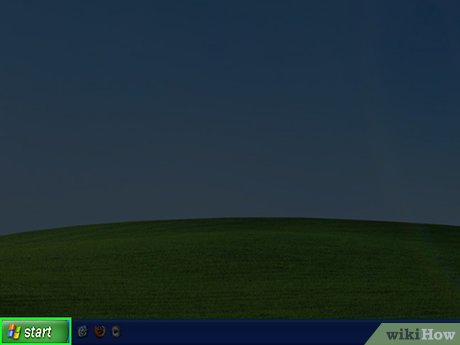 Press thestartbutton.
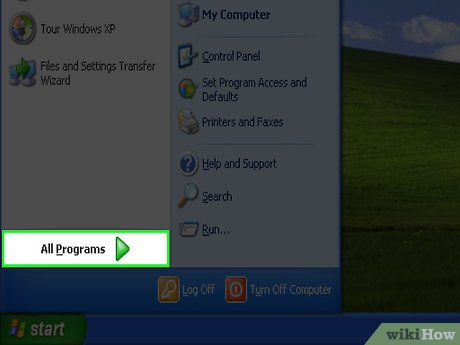 Go toAll Programs
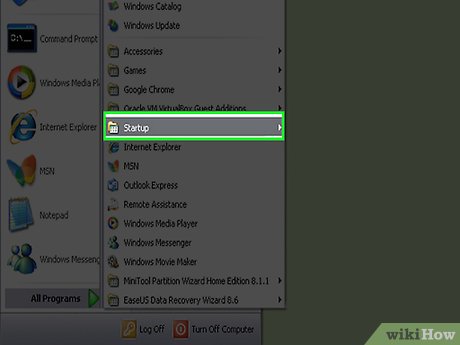 Go toStart up
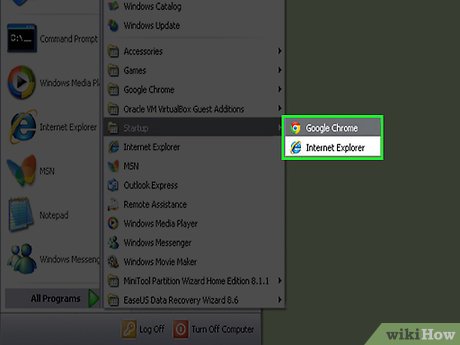 Right click on what you don't want to automatically open.
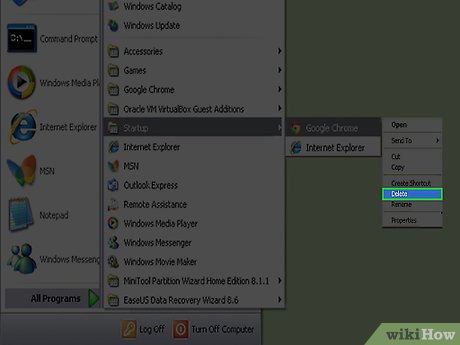 ChooseDelete.
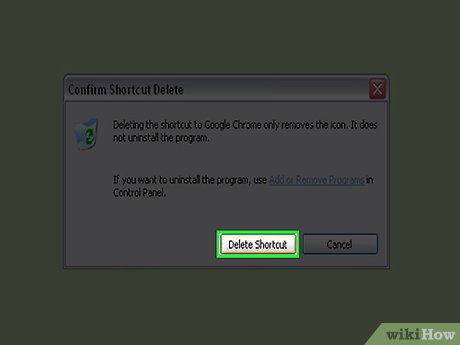 There will be a popup, clickDelete Shortcut
 If you want to remove more, go back to step1. Optional
Method 2of 3:
Using the System Configuration Window
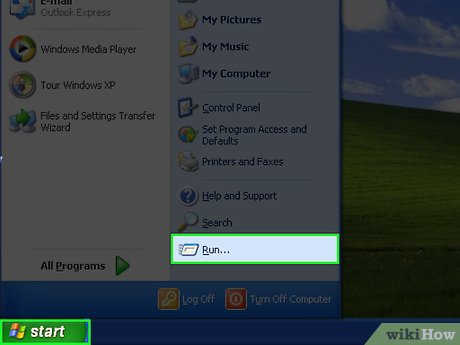 ClickStartand then clickRun.
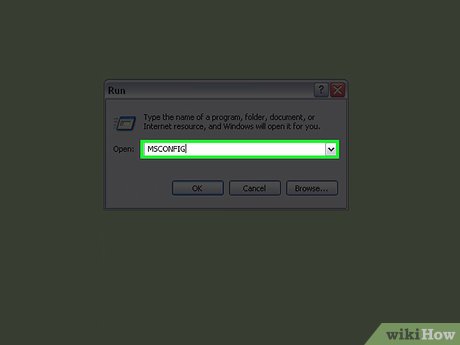 TypeMSCONFIGand tap. The System Configuration window will pop up.
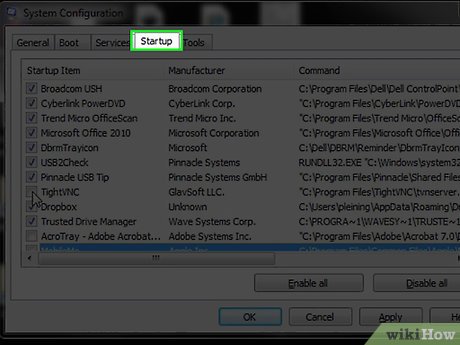 Click theStartuptab.
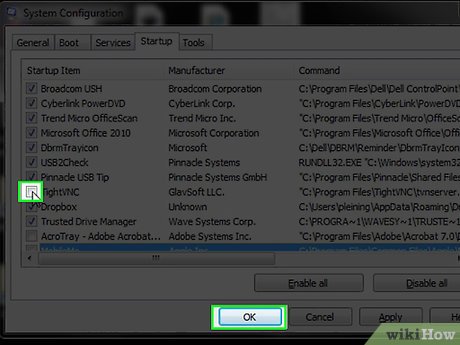 Uncheck the programs you do not wish to run on startup, and clickOK.
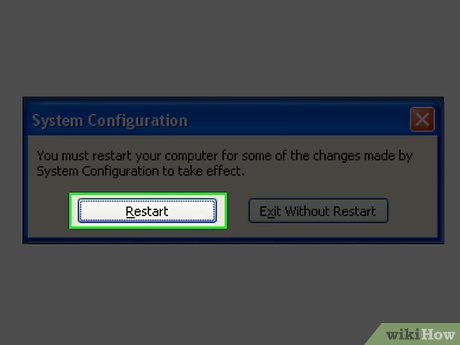 Restart the computer for the changes to take effect.
Method 3of 3:
Using the Registry Editor Application
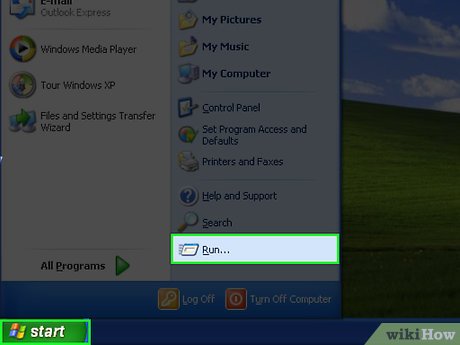 Select "Run" from the Start menu
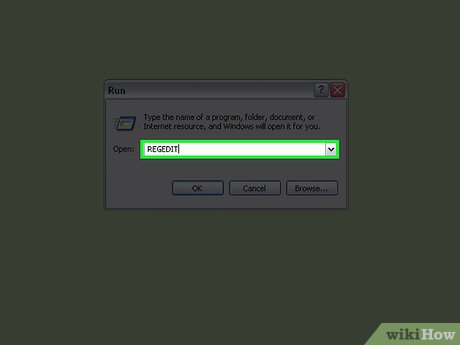 Type REGEDIT and click OK.
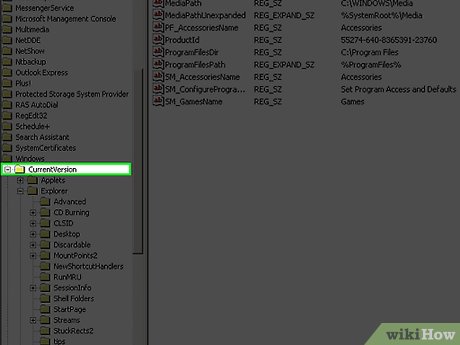 The registry editor application will open. Use the tree view on the left to navigate to HKEY_LOCAL_MACHINESoftwareMicrosoftWindowsCurrentVersion.
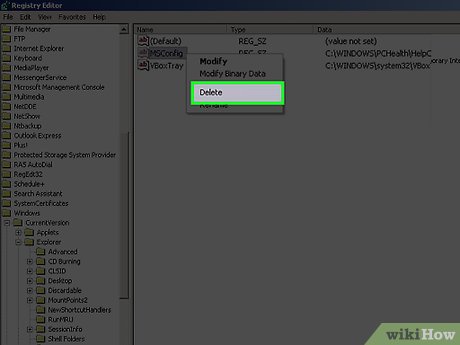 Check the subkeys Run and RunOnce for a path to the application you wish to stop starting automatically at startup. If you find such a path, right click the individual path and click "Delete" from the pop up menu.
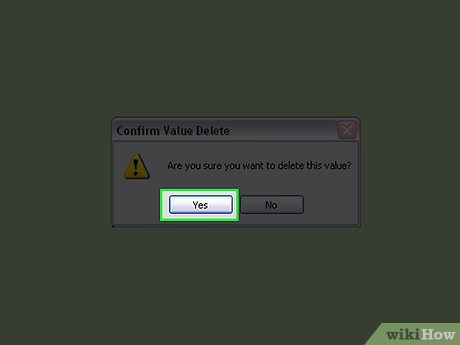 If you choose to delete a value, a dialog will result to confirm the deletion. Click "Yes" if you really wish to delete the selected value. Note: The above steps assume that the program is running for every user on the computer. HKEY_CURRENT_USER contains the same path and keys for the currently logged on user.
FAQ
What is How to Stop an Application from Opening at Startup on a Windows about?
It provides a structured overview of click, explains the main context, and highlights practical takeaways for readers.
Why does this topic matter?
Understanding the main concepts helps readers evaluate the issue, avoid common mistakes, and make better-informed decisions.
How should readers use this information?
Use the guidance as a practical starting point, confirm details that may have changed, and follow current product, safety, or security recommendations.
Related Articles
 Add, Remove Startup Applications with Windows 83 minutes read
 How to Fix Errors That Do Not Start or Run up to 99% Will Stop on5 minutes read
 Windows Tricks That Will Instantly Stop Any Frozen Application8 minutes read
 Boost Windows 10 Startup Speed by Enabling Fast Startup3 minutes read
 Fix Windows Startup Errors with Startup Repair6 minutes read
 Prefetch: How to Make Windows Xp Startup Faster4 minutes read
Reader Comments 0
Sign in with email or Google to join the discussion.