Table of Contents
This updated guide examines Click: How to Delete a Drive Partition on PC or Mac and organizes the essential facts, background, and practical takeaways in clear American English.
Method 1of 2:
Using a PC
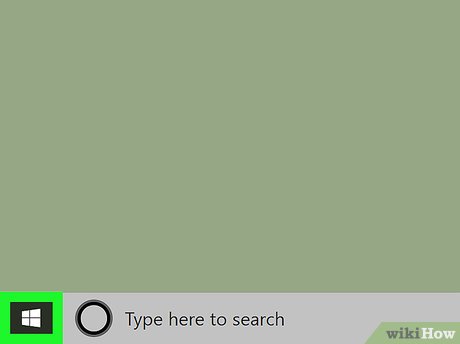 Right-click on the Windows Start menu
 . It's the icon that has the Windows logo in the task bar. By default, it's in the lower-left corner of the Windows desktop. This displays a pop-up menu.
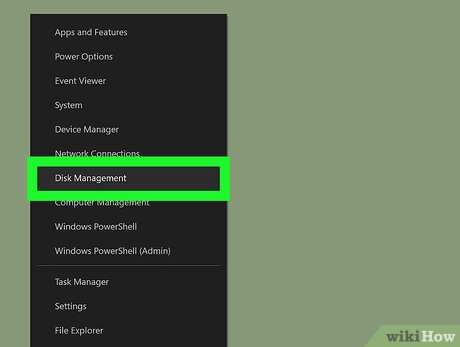 ClickDisk Management. It's in the pop-up menu that appears when you right-click the Windows Start menu. This opens the Disk Management app.
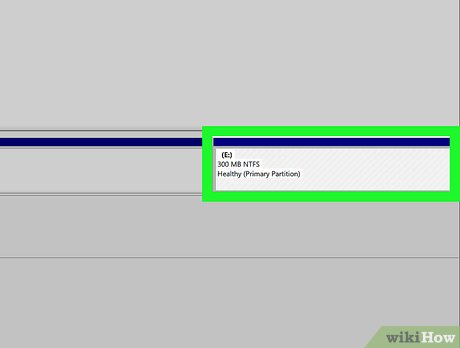 Right-click on the drive you want to delete. This displays a pop-up menu with options for the drive.
 ClickDelete Volume. It's in the pop-up menu that appears when you right-click on a drive in the Disk Management app. This deletes the drive. The new free space will be unallocated.[1]
- Warning: This will permanetly delete all the data on the partition. Make sure you backup any files you want to save to another drive before you delete the partition.
- Note: You cannot delete a drive that has your Windows installation on it.
 Right-click the main drive. This is the drive (usually C:) that the original partition was split from.
 ClickExtend drive. It's in the pop-up menu that appears when you right-click on a drive in Disk Management. This opens the Extend Volume Wizard.
- Alternatively, you can click Format Drive to reformat the unallocated free space as another partition.
 ClickNext. It's in the lower-right corner of the Extend Volume Wizard.
 ClickNextagain. This confirms that you want to add the entirety of the unallocated space to the main drive.
 ClickFinish. This adds the unallocated space back into your main drive. Your partition is now deleted.[2][3]
Method 2of 2:
Using a Mac
 Click the magnifying glass icon
 . It's in the upper-right corner of the Mac desktop. This displays the Spotlight search bar.
 TypeDisk Utilityin the spotlight search bar. This displays a list of apps that match your search text.
 ClickDisk Utility.app. It's at the top of the list of search results. It's next to an icon that resembles a hard drive with a stethoscope. This opens the Disk Utility app.
 Click the drive you want to delete. The drives are listed in the sidebar to the left of the Disk Utility app.
 ClickErase. It's at the top of the Disk Utility app. This displays a pop-up.
 ClickErasein the pop-up. This verifies that you want to erase the drive and erases it.
- Warning: This will permanetly delete all the data on the partition. Make sure you backup any files you want to save to another drive before you delete the partition.
 ClickDone. Once your computer is done erasing the drive, click Done to close the pop-up window. Your partition has been erased. If you still want to use the partition, no further steps are needed. If you want to remove the partition, continue to the next step.
 Click thePartitiontab. It's the second tab at the top of the Disk Utility app. This displays a pie chart with your partitions.
 Click the partition you want to remove in the pie chart. The selected partition will turn blue.
 Click-. It's the icon with the minus (-) sign below the pie chart. This removes the partition from the pie chart, allocating the free space to the main drive.
 ClickApply. It's in the lower-right corner of the Disk Utility app. This displays a confirmation pop-up.
 ClickPartition. This applies the partition and reallocates the newly erased partition to the main drive.
 ClickDone. Once the partition process is finished, click Done to close progress bar. Your partition has been erased.[4]
FAQ
What is Click: How to Delete a Drive Partition on PC or Mac about?
It provides a structured overview of click, explains the main context, and highlights practical takeaways for readers.
Why does this topic matter?
Understanding the main concepts helps readers evaluate the issue, avoid common mistakes, and make better-informed decisions.
How should readers use this information?
Use the guidance as a practical starting point, confirm details that may have changed, and follow current product, safety, or security recommendations.
Related Articles
 How to Fix a Broken Laptop Keyboard Key4 minutes read
 This Is How to Delete Recovery Partition and Recovery Partition11 minutes read
 How to Delete a Partition on Windows Hard Drive?: Step-by-Step7 minutes read
 Instructions on How to Fix the Error of Not Being Able to Delete6 minutes read
 How to Delete a Drive Cannot Be Deleted with Disk Management18 minutes read
 Paragon Partition Manager: Complete Guide4 minutes read
Reader Comments 0
Sign in with email or Google to join the discussion.