Table of Contents
This updated guide examines Menu: How to Shut Down Windows and organizes the essential facts, background, and practical takeaways in clear American English.
Method 1of 8:
Using the Windows 10 Start Menu
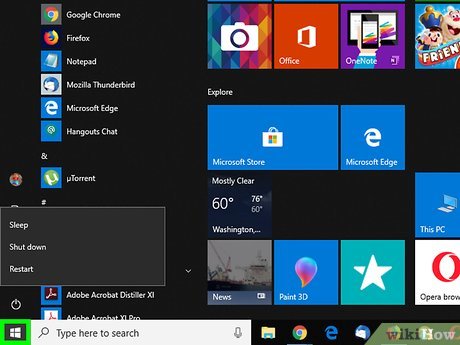 Click the Start
 menu. It's usually at the bottom-left corner of the screen.
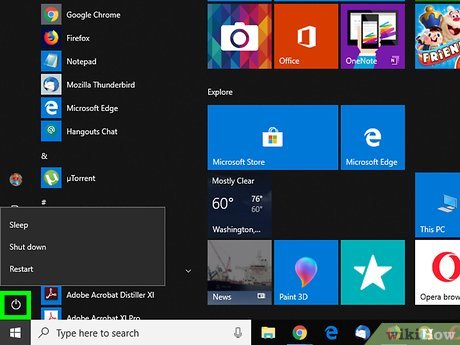 Click Power
 . It's at the bottom-left corner of the menu.
 ClickShut down. Windows will now shut down and power off the PC.
- If prompted to install updates before shutting down, select the option to do so.
- If you are not able to shut down your computer with this method, try pressingAlt+F4and then selectingShut Down.
Method 2of 8:
Using Control Alt Delete on Windows 10 and 8
 PressCtrl+Alt+Delon the keyboard. After a few moments, you'll see a screen with several menu options. The options may vary depending on the version of Windows you're using and which updates you've installed.
 Click the Power
 button. It's at the bottom-right corner of the screen.
 ClickShut Down. Windows will now shut down and the PC will turn off.
Method 3of 8:
Using the Windows 8 and 8.1 Start Menu
 Hover the mouse over the bottom-right corner of the screen. This will display a link to the Start menu at that corner.
 Right-click the Start
 menu. A menu will expand.[1]
 ClickShut down or sign out. Another menu will expand.
 ClickShut down. Windows will now shut down and the PC will turn off.
- If prompted to install updates before shutting down, select the option to do so.
Method 4of 8:
Using the Windows 7 Start Menu
 Click the Start menu. It's the circle with a Windows logo, and it's usually at the bottom-left corner of the screen.
 ClickShut down. It's at the bottom-right corner of the menu. A window with some options will appear.
- If you don't see this option, click the small sideways triangle at the bottom-right corner to expand additional options.
 SelectShut downfrom the menu.
 ClickOK. Windows will shut down and the PC will turn off.
Method 5of 8:
Using the Windows Vista Start Menu
 Click the Start menu. It's the circle with a Windows logo, and it's usually at the bottom-left corner of the screen.
 Click the sideways triangle. It's at the bottom-right corner of the menu to the right of the padlock button. A menu will expand.
 ClickShut Down. Windows will shut down and the PC will turn off.
Method 6of 8:
Using the Windows XP Start Menu
 Click the Start menu. It's the rectangle with a Windows logo, and it's usually at the bottom-left corner of the screen.
 ClickTurn Off Computer. It's next to the red icon at the bottom-right corner of the Start menu. A pop-up screen will appear.
 ClickTurn Off. It's the red icon at the center of the window.
- If the menu says that Windows needs to install updates, it is recommended to do the installation. If you don't want to install updates, clickClick here to turn off without installing updatesinstead.
 Wait while Windows is shutting down.
Method 7of 8:
Using the Command Prompt on Any PC
 Open the command prompt. You can shut down Windows from the command prompt if you're having issues shutting it down using the Start menu.
- If you're using Windows 10 or 8, you can do this by typingcmdinto the Windows search bar and clickingCommand Promptwhen it appears.
- If you're using Windows 7, Vista, or XP, click the Start menu, navigate to theAll Programs,Accessories, and then clickCommand Prompt.
 Typeshutdown /sat the prompt. You'll see a message that says the computer will shut down in one minute.[2]
 Press↵Enter. This shuts down your PC.
Method 8of 8:
Using the Power Button on Any PC
 Press and hold the power button for about 3 or 4 seconds. After a few seconds, you should see a shutdown message on the screen. Lift your finger when the message appears.
- Only use this method if you were unable to shut down your PC using the method for its operating system.
 Select theShut Downoption. This powers down your PC.
- If the PC is frozen and no shutdown message appears, you can force the machine to power off by holding down the power button until the screen goes dark. This should be an ultimate last resort as it could cause data corruption.
FAQ
What is Menu: How to Shut Down Windows about?
It provides a structured overview of menu, explains the main context, and highlights practical takeaways for readers.
Why does this topic matter?
Understanding the main concepts helps readers evaluate the issue, avoid common mistakes, and make better-informed decisions.
How should readers use this information?
Use the guidance as a practical starting point, confirm details that may have changed, and follow current product, safety, or security recommendations.
Related Articles
 Power: How to Shut Down Windows 84 minutes read
 Learn About Options to Turn Off Your Computer in Windows 76 minutes read
 How to Shut Down or Restart a Windows 10X Computer3 minutes read
 Trick to Start and Shut Down Windows Server 2012 Computer in a5 minutes read
 The Fastest Ways to Shut Down Windows 10: Complete List7 minutes read
 How to Safely and Properly Shut Down Your Computer for New Users11 minutes read
Reader Comments 0
Sign in with email or Google to join the discussion.