Table of Contents
Learning how to recover deleted apps on Windows 11 computer doesn't have to be complicated. This updated guide presents a clear workflow, practical checks, and troubleshooting advice you can use while completing the process.
Key Takeaways
- Review what happens when i delete the app.
- Explore instructions on how to restore deleted applications on Windows 11.
- Understand method 1: using Windows 11's system restore feature.
1. What Happens When I Delete the App?
One of the common reasons for uninstalling apps on Windows 11 is often due to insufficient hard drive space, forcing users to delete unused programs to free up storage space.
Additionally, in some cases, Windows updates can automatically remove applications that are incompatible with the operating system, causing them to be deleted from your computer without you realizing it.

You not only remove the application, but also all the data associated with it when you uninstall a software. This includes data files created by the application during use. Restoring them can be difficult if these files are important and you don't have a backup.
Windows 11 provides a solution to restore deleted apps and data. This helps you fix that. Besides, you can also choose third-party data recovery tools, which are also effective options to help you retrieve important information.
2. Instructions on How to Restore Deleted Applications on Windows 11
Here are the two most popular and effective methods to recover deleted apps on Windows 11 computers. These include using Windows 11's System Restore feature, or using third-party data recovery software.
Method 1 is a more suitable choice if you want to restore the entire system to a previous state. But in case you only need to restore the installation files and related data, choose method 2 with a data recovery tool.
One thing to note is that you should not forget to perform regular backups to avoid losing important data in the future. Try to apply and choose the method that suits your situation and needs.
Method 1: Using Windows 11's System Restore Feature
System Restore is a built-in feature in Windows 11 that lets you restore the system to a previous state, including restoring files, Windows Registry, and uninstalled applications. Therefore, you can take advantage of this feature to restore deleted applications. However, note that applications, drivers, and updates installed after the restore point will be deleted.
System Restore creates restore points automatically when you install applications, drivers, or Windows updates. You can use these points to return your system to the state it was in before you removed the application.
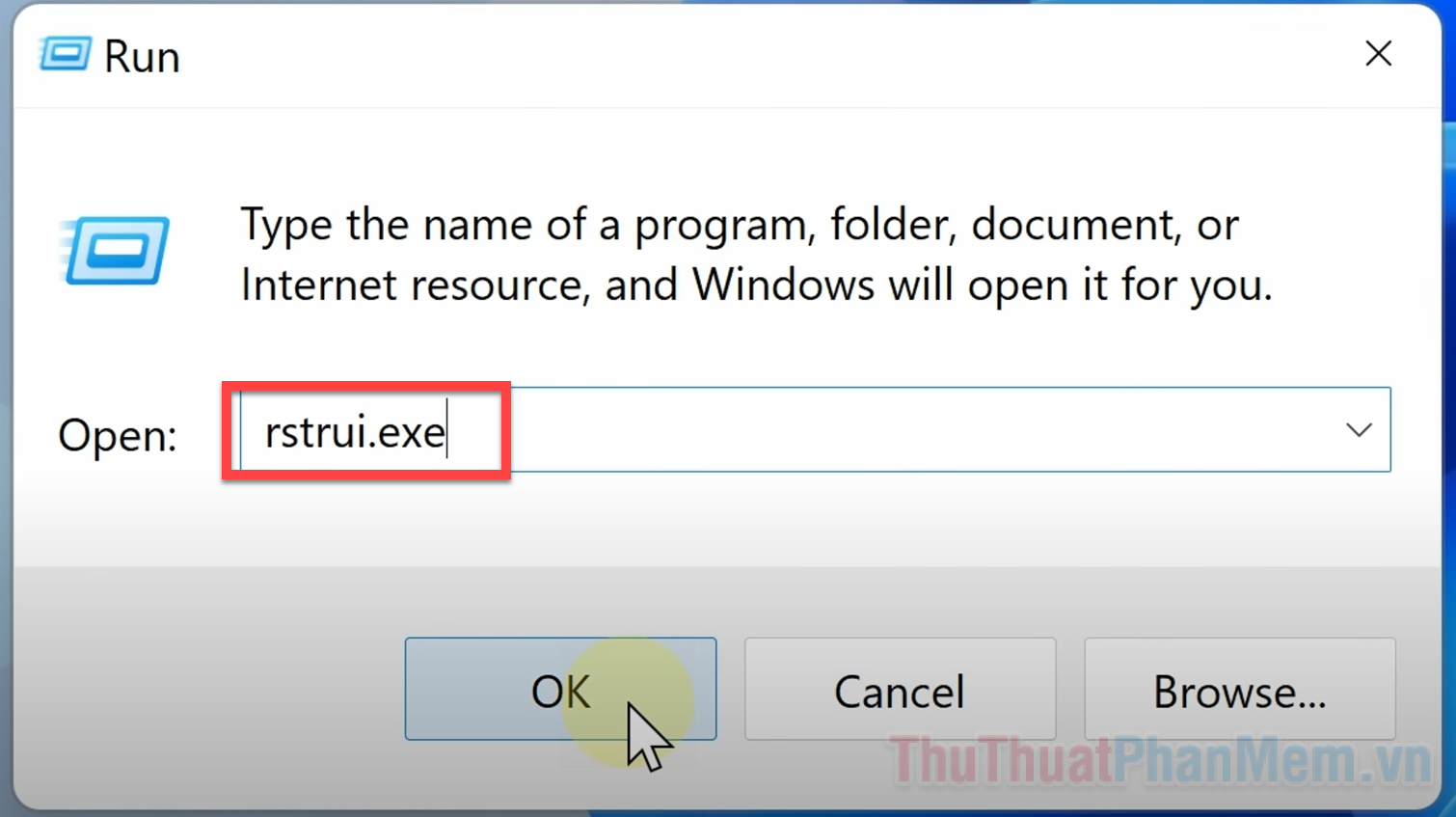
Step 1: Press Windows + R to open the Run dialog box, here you type rstrui.exe and then Enter.
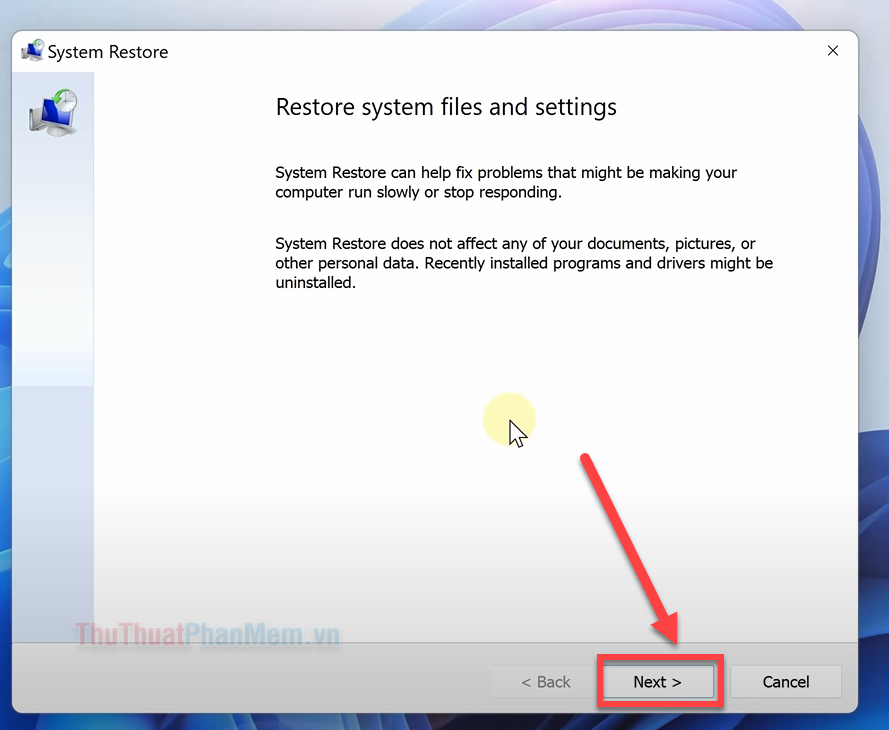
Step 2: Click Next.
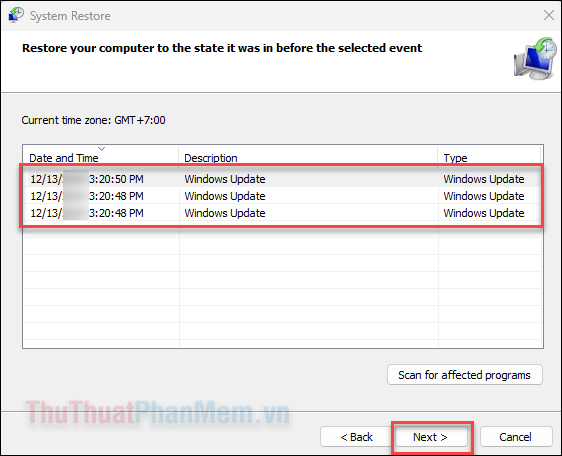
Step 3: Select a restore point created before you uninstalled the application >> Then click Next.
Click Finish to proceed with restoring your computer and the applications you deleted.
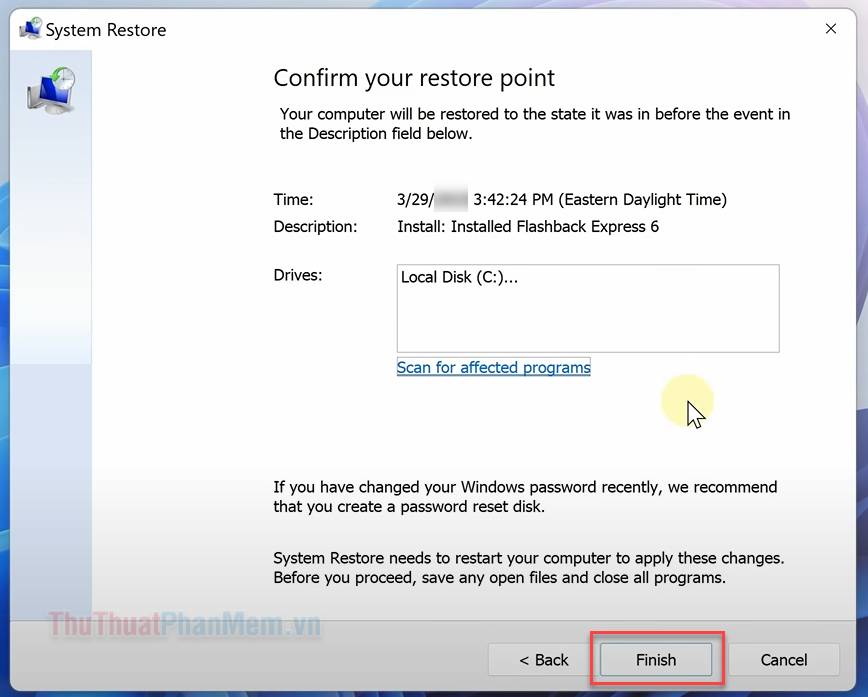
Note: This method doesn't affect personal files, but may delete apps or updates installed after the restore point.
What if you don't see the System Restore point?
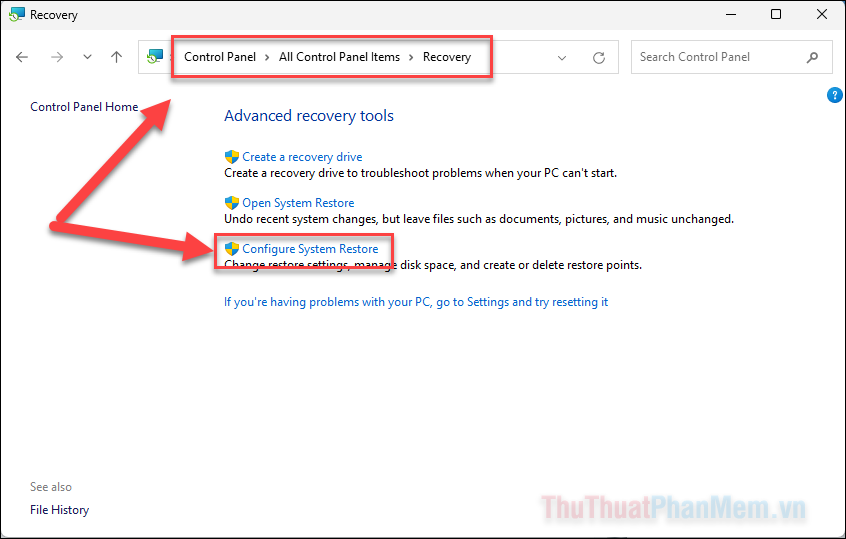
In case you don't have a restore point, check if System Protection is enabled by going to Control Panel >> Select Recovery >> Then Configure System Restore.
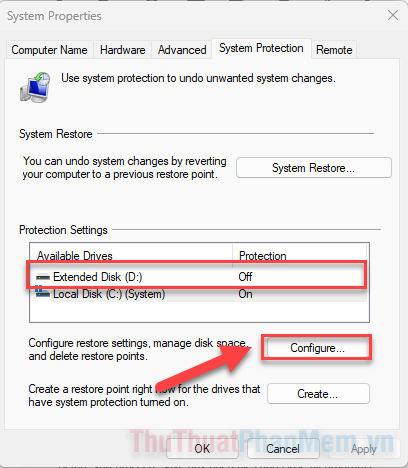
Here, select the drive to save System Restore points, click Configure ….
Check the box Turn on system protection. In the Max Usage section, select the maximum capacity to save restore points. The larger this capacity is, the more restore points you can save.
Click Apply to apply.
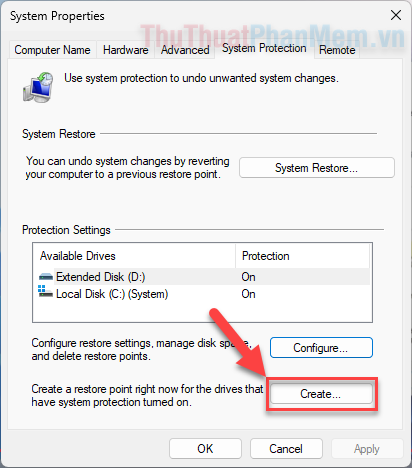
Back in the System Properties window, you can also immediately create a restore point by clicking Create ….
Method 2: Using Data Recovery Software
Professional data recovery software like EaseUS Data Recovery Wizard allows you to recover many types of deleted files, including application installation files (.exe), installation folders, and data generated during application use. This tool doesn't interfere with other applications running on your computer, ensuring the safety of existing data.
Introducing the outstanding features of EaseUS Data Recovery Wizard:
- Recover Deleted Files: With just three simple steps, you can recover photos, videos, emails and documents on Windows 10/11.
- Resolves most data loss situations: Including recovery after system restore, or resetting Windows to factory settings.
- Multi-storage device support: You can use multiple devices like SSD, USB, external hard drive and other types of storage drives.
Steps to follow:
Step 1: Click here to download and install EaseUS Data Recovery Wizard software from the official website.
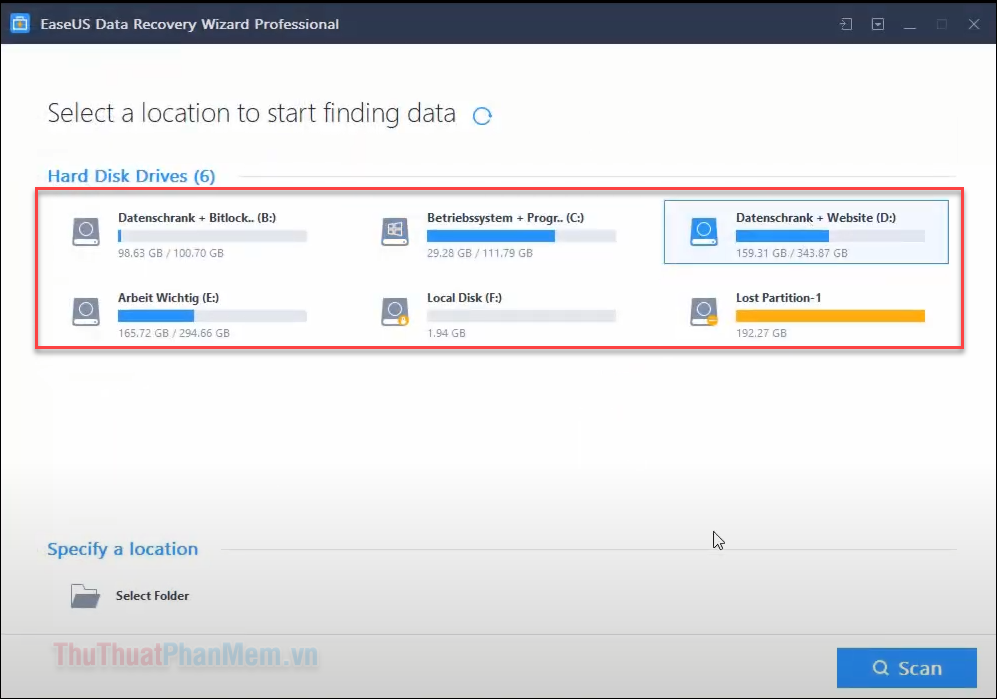
Step 2: Open the software and select the drive where you installed the application before it was deleted >> Click Scan.
The software will scan for lost files.
Step 3: You can use the file name or extension (.exe) to search for the installation file.
More simply, pay attention to folders like Program Files or Program Files (x86). Restore this entire folder because it may contain the application you are looking for if necessary.
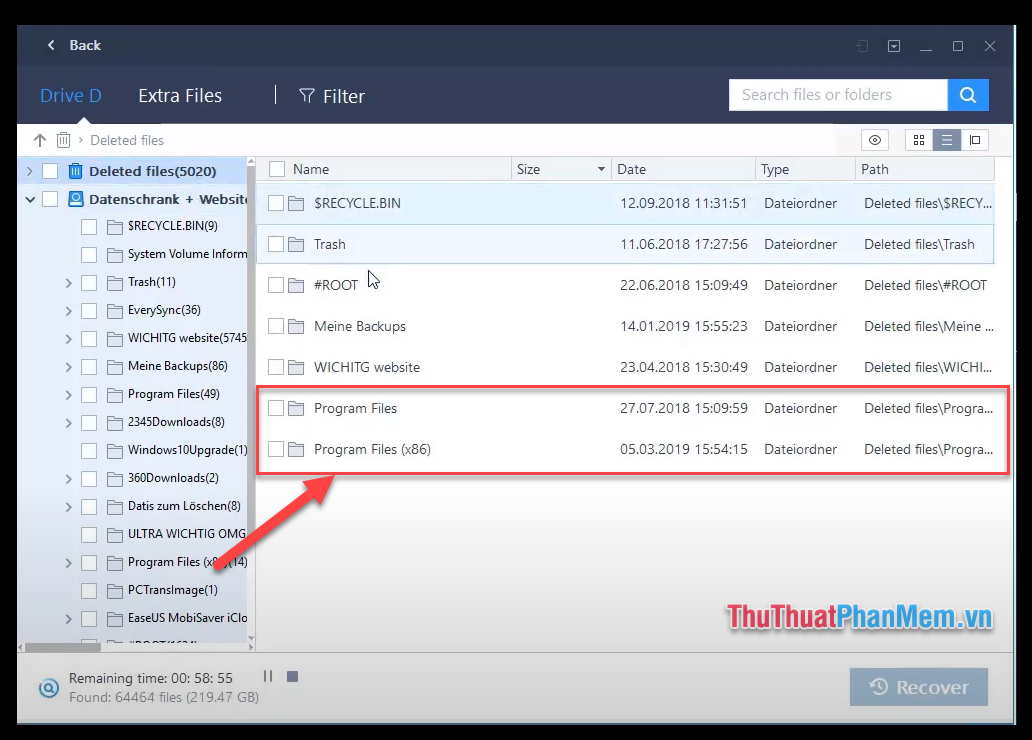
Step 4: Select the files and folders to restore >> Then click Recover. Now check and test to see if the application has been restored normally.
Note: To increase the chances of successful recovery, you should avoid overwriting new data onto the drive containing the deleted file, and also perform the recovery as soon as possible.
From now on, when you accidentally delete an important application, you can completely get them back with the simple and effective methods above. Don't forget to back up your data periodically to minimize future risks after choosing the way to restore deleted applications on Windows 11 computers that best suits your situation.
Final Thoughts
The most reliable way to handle recover deleted apps on Windows 11 computer is to follow the process in order, verify each important setting, and test the result before moving on. Use the guidance above as a practical reference, then adjust the details for your device, software version, or specific goal.
FAQ
What should I check before I recover deleted apps on Windows 11 computer?
Use the latest available software, confirm that your device meets the requirements, and make sure you have the necessary permissions, account access, or backup before changing anything.
Why might I be unable to recover deleted apps on Windows 11 computer?
Common causes include outdated software, missing permissions, incompatible settings, incomplete setup steps, or a temporary network problem. Recheck the process from the beginning and restart the app or device if needed.
Is it safe to recover deleted apps on Windows 11 computer?
It is generally safe when you use official tools, review every permission, and back up important data before making system-level or account-level changes.
Related Articles
 How to Recover Deleted Apps on iPhone: Step-by-Step Guide3 minutes read
 How to Recover Deleted Data or Secure Format11 minutes read
 How to Recover Files Deleted by Windows Defender: Step-by-Step Guide3 minutes read
 How to Recover Deleted Data Using Recuva on Computer7 minutes read
 Recover Deleted Data with Recuva4 minutes read
 How to Recover Deleted TikTok Videos3 minutes read
Reader Comments 0
Sign in with email or Google to join the discussion.