Table of Contents
This updated guide explains how to Prevent Windows 10 from Automatically Restarting through clear steps, practical examples, and important checks that help prevent common errors.
Starting with the Windows 1903 update, there are two ways to change active hours. One is that you make manual changes, and the other allows Windows to automatically recognize the times you work.

To enable Windows to automatically detect working hours, go to Settings → Update & Security → Windows Update, and then select Change active hours .

After the Change active hours window appears, turn on Automatically adjust active hours for this device based on activity . Then, Windows will start analyzing the times you use the computer and avoid automatically restarting during that time.
If you do not trust Windows, you can manually adjust it as follows:
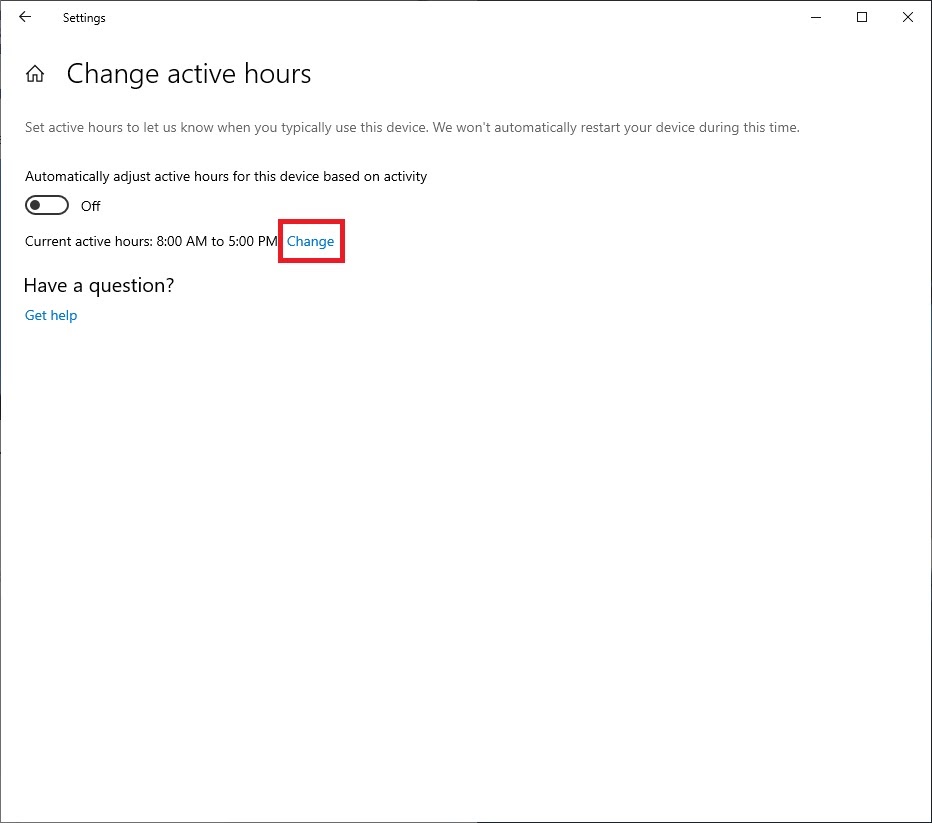
First, you also open the Change active hours window as the way for Windows to automatically. Instead of turning on the automatic feature, select the Word Change immediately below.
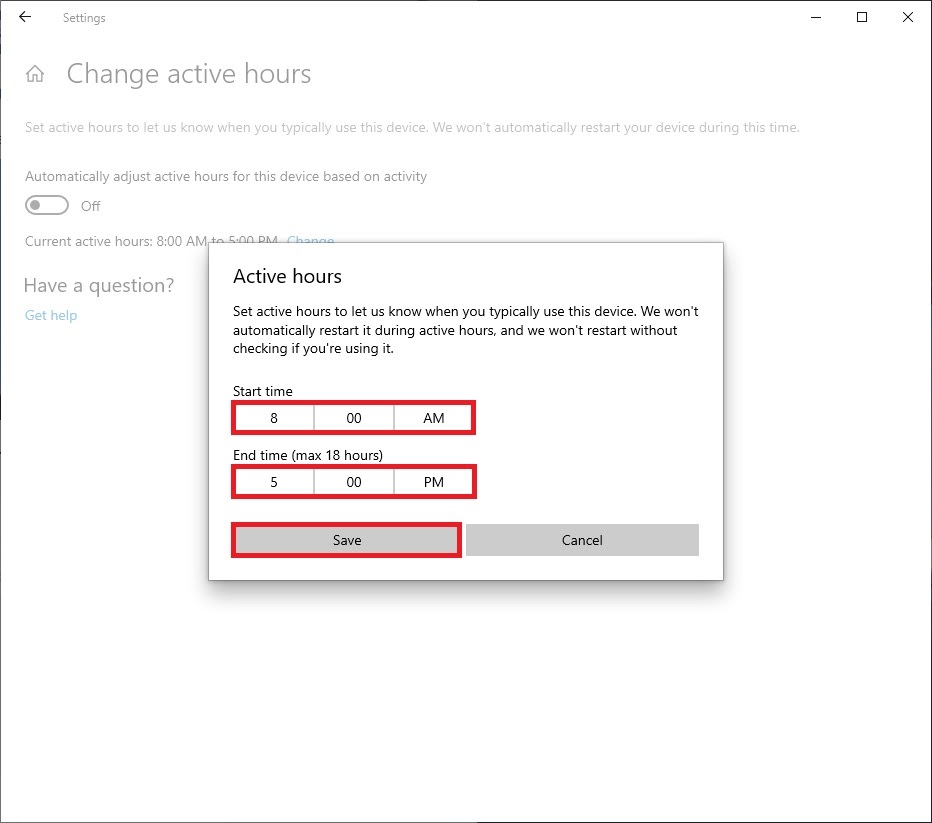
Next you choose the time frame you need to use the application and click Save . Windows will not automatically restart within the time you choose.
* Note: you can only set up to 18 hours. If you install more, Windows will ask you to select the time.

In addition, you can schedule a specific date and time for Windows to automatically update without affecting your work. Go to Settings → Update & Security → Windows Update, then select Schedule the restart .
* Note: this option only appears when your device has downloaded the update and is ready to install it.

Then, Schedule a time window appears, select On as shown and then set the time and date you want Windows to update yourself.
Currently there is no way to turn off Windows updates completely, but you can still pause updates for up to 35 days. When the 35 days are up, you need to update Windows to the latest version (if available) before you can continue to pause.
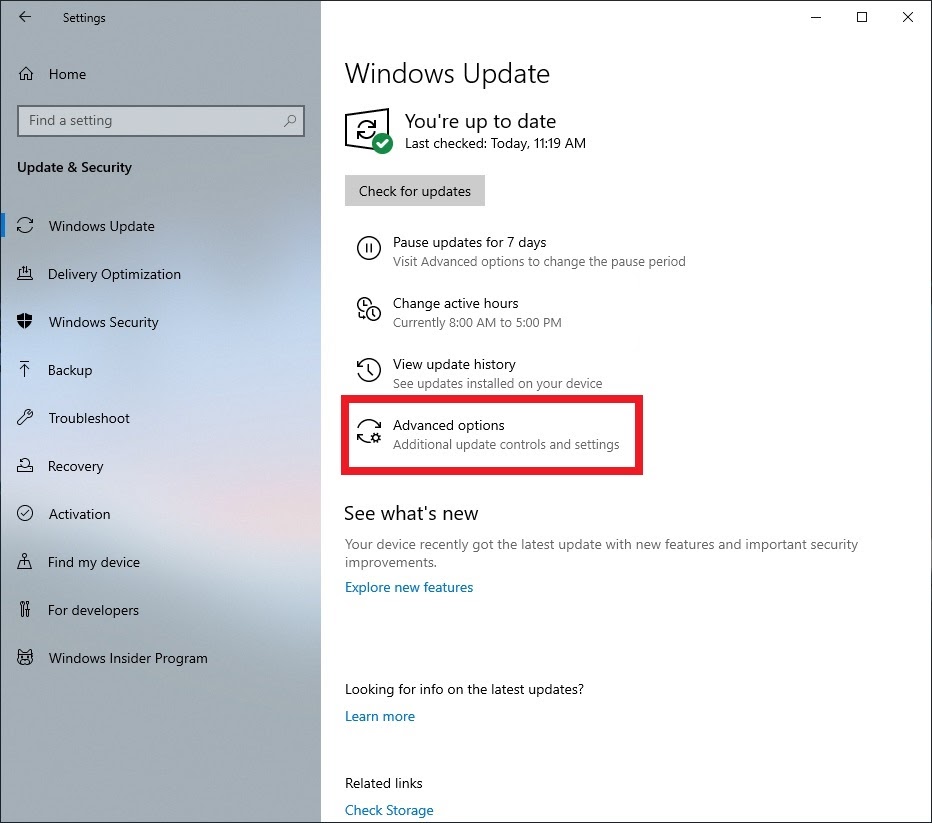
To pause updating, open Settings → Update & Security → Windows Update, and then select Advanced options .

Next, scroll down to the Pause updates section, then select the date you may need to pause by selecting Select date .
FAQ
What is the easiest way to Prevent Windows 10 from Automatically Restarting?
Start with the requirements in this guide, then follow each step in order. Check the result after every major change so problems are easier to identify.
Can beginners follow these instructions?
Yes. The process is organized into practical steps, and you can repeat any step before moving forward.
What should I check if the method does not work?
Confirm your software or device version, permissions, settings, file format, and internet connection when the task depends on online services.
Related Articles
 How to Fix Windows Computer Automatically Restarting When5 minutes read
 How to Prevent Mouse from Automatically Clicking or3 minutes read
 Instructions on How to Prevent Windows from Automatically4 minutes read
 Prevent Windows 10 Fall Creators Update from Reopening3 minutes read
 How to Prevent Microsoft from Automatically Downloading Windows5 minutes read
 How to Prevent Microsoft Teams from Starting Automatically3 minutes read
Reader Comments 0
Sign in with email or Google to join the discussion.