Table of Contents
This guide explains how to link Slides in a PowerPoint Presentation, with clear steps, practical tips, and important checks before you begin.
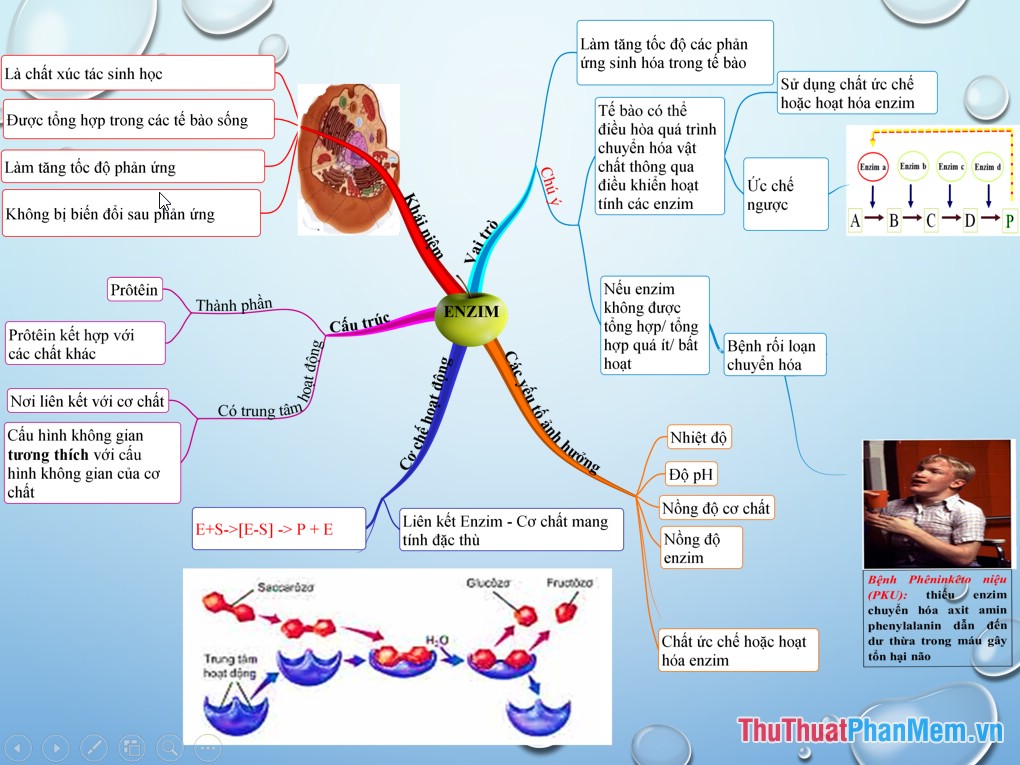
For example, when clicking on the shape named Enzim located on the first slide automatically switches to the third slide to be able to learn details about the enzyme:
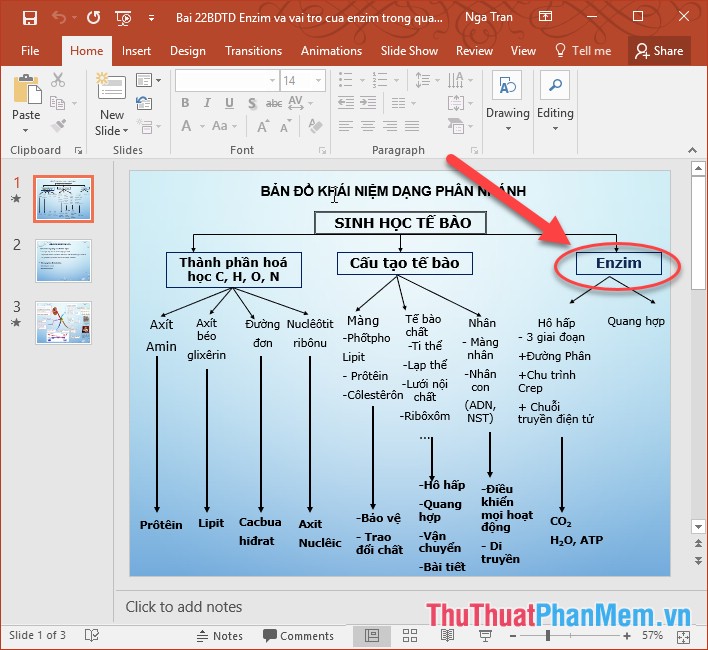
To follow the link above, follow these steps:
Step 1: Click the Enzyme shape object on the Insert tab -> Links -> Action:
Step 2: Action Settings dialog box appears under Hyperlink to select Slide.

Step 3: The Hyperlink to Slide dialog box appears, select the slide you want to create a link to. Here want to create a link to slide number 3 -> click OK:
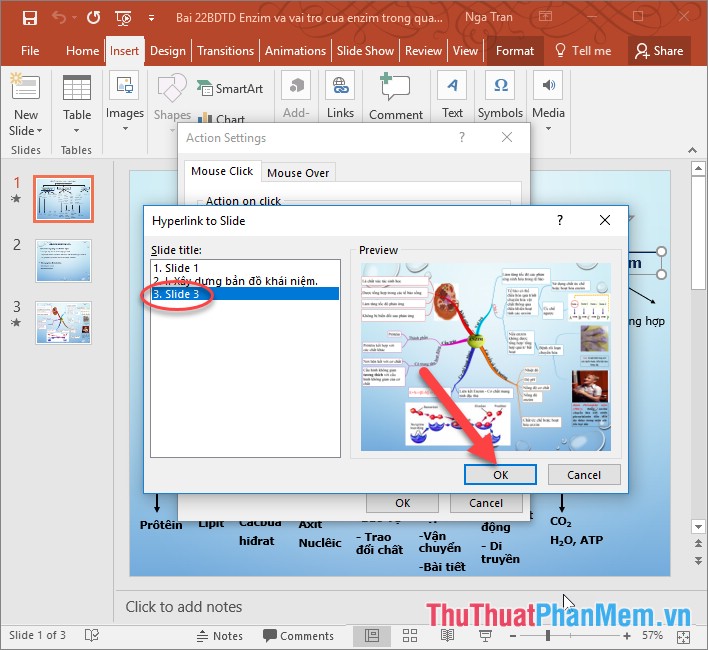
Now you make the slideshow:
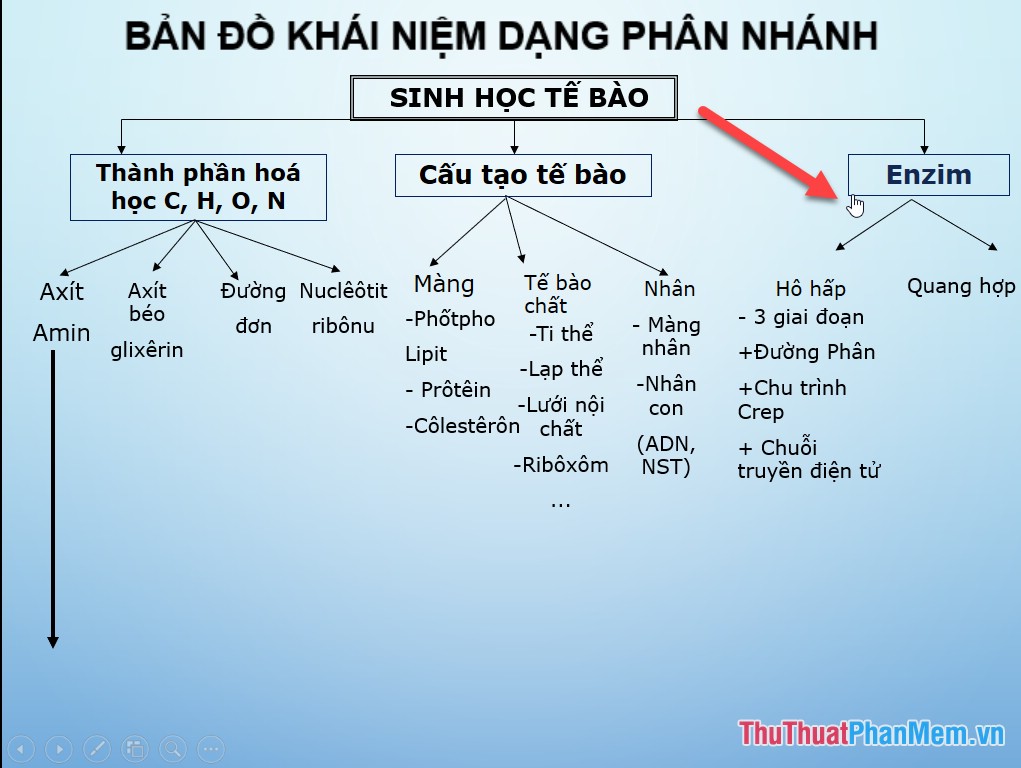
When clicking on the Enzyme shape will not move to the 2nd slide in the order that it transitioned to the 3rd Slide has created links:
You can also manually adjust the slide transition by using the transition icons as you like. For example, here on slide 2, if it is right clicked, it will move to the next slide but it will move to the 5th slide by creating a link between slide 2 and 5. On slide 2 create an arrow icon to turn the page:

Click the arrow icon -> Insert -> links -> Action to create a link to page 5:

Select slide number 5 -> click OK:

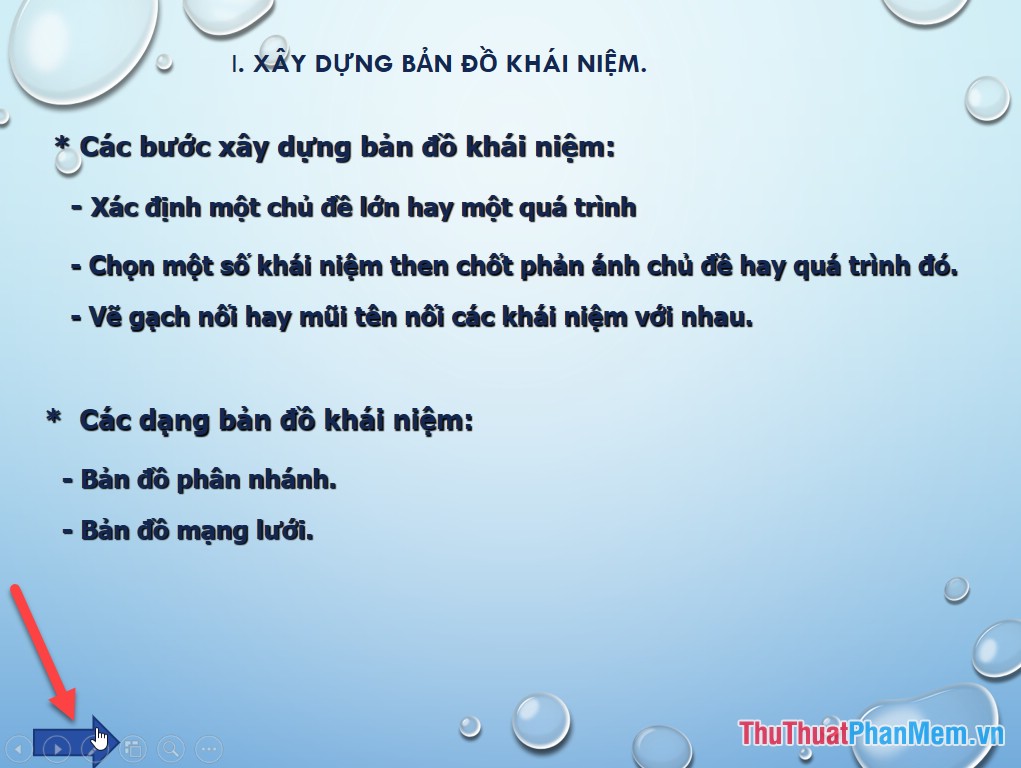
So instead of going to page 3, you can go to page 5 by clicking the arrow icon that created the link without compromising the appearance of the presentation:
The above is a detailed guide on how to link slides in a Powerpoint presentation. You can create your own navigation between slides as you like. Good luck!
FAQ
What should I know about Link Slides in a PowerPoint Presentation?
Focus on the key features, requirements, limitations, and practical use cases explained in this guide.
How do I get the best results with Link Slides in a PowerPoint Presentation?
Follow the recommended steps, use current software or information, confirm compatibility, and review settings before major changes.
Are there any risks or limitations?
Potential limitations depend on compatibility, data quality, cost, privacy, support, and how the product or method is used.
Related Articles
 PowerPoint 2019 (Part 25): Evaluating Your Presentation: Explained5 minutes read
 PowerPoint 2019 (Part 29): Link: Explained7 minutes read
 PowerPoint 2019 (Part 19): Inserting Video: Explained8 minutes read
 How to Make PowerPoint Presentation Slides Nice and Fast10 minutes read
 50+ Great Backdrops for PowerPoint Presentation Slides3 minutes read
 Basic Information About Slides in PowerPoint 201611 minutes read
Reader Comments 0
Sign in with email or Google to join the discussion.