Table of Contents
This updated guide examines How to Enable the Windows Subsystem for Linux and organizes the essential facts, background, and practical takeaways in clear American English.
Part 1of 4:
Checking Your Computer for Compatibility
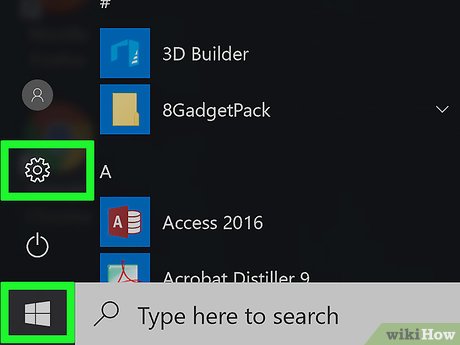 Open the Settings app. Press the Start
 button and then the Settings gear on the lower-left corner of the menu.
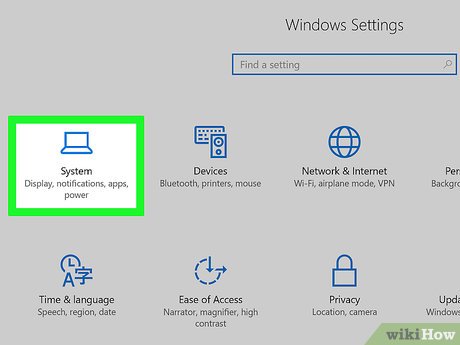 Click theSystemcategory.
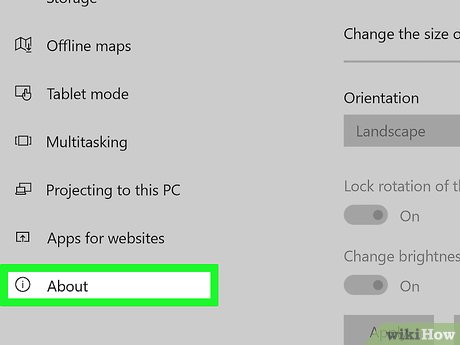 SelectAboutfrom the left pane. This will list a bunch of information about your computer.
 Ensure that your "OS Build" is above 14393.0. [1]
 Ensure that your "System type" is "64-bit operating system". [1]
Part 2of 4:
Enabling Developer Mode
 Click the
 Homebutton at the top-left of the Settings app.
 Click onUpdate & security.
 Click onFor Developerson the left pane. It's second from the bottom of the list.
 Click on the radio button next to "'Developer Mode".
 Confirm the warning. Windows 10 will display a warning for all of the implications that should be considered before turning Developer Mode on. Carefully read through all of these warnings and then press theYesbutton.
Part 3of 4:
Turning on Windows Subsystem for Linux
 Navigate to the "Turn Windows Features On or Off" window. It can easily be accessed by typing inturn windowsin the search bar.
 Wait for the list to load.
 Check the box
 next to "Windows Subsystem for Linux (Beta)". Scroll down to the bottom of the list to find it.
 Click on theOKbutton. Windows 10 will now start to download a bunch of files.
 When prompted, restart the computer. Your computer will display a screen indicating that it's updating. This is actually Windows 10 setting up the Windows Subsystem for Linux.
Part 4of 4:
Post-Installation Setup
 Open Bash. This is easily done by searching forbashin the search bar.
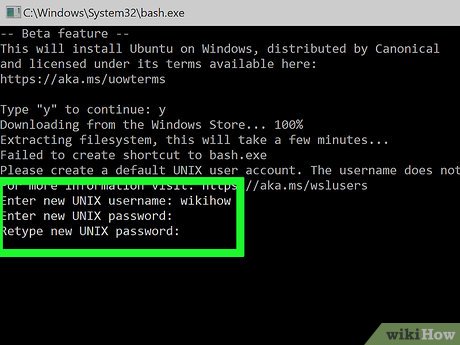 Enter a username and password. Upon opening for the first time, Windows Bash will prompt you to create a username and password.
- Note that the username and password do not have to be the same as the username the password used to log into your Windows 10 account.
FAQ
What is How to Enable the Windows Subsystem for Linux about?
It provides a structured overview of windows, explains the main context, and highlights practical takeaways for readers.
Why does this topic matter?
Understanding the main concepts helps readers evaluate the issue, avoid common mistakes, and make better-informed decisions.
How should readers use this information?
Use the guidance as a practical starting point, confirm details that may have changed, and follow current product, safety, or security recommendations.
Related Articles
 Instructions for Installing Windows Linux Subsystem on5 minutes read
 How to Activate Windows Subsystem for Linux on Windows: Complete Guide5 minutes read
 How to Install Windows Subsystem for Linux 2 on Windows 105 minutes read
 How to Run Linux Desktop Using Windows Subsystem for Linux9 minutes read
 Windows Subsystem for Linux: Complete Guide7 minutes read
 How to Install Arch Linux in Windows Subsystem for Linux5 minutes read
Reader Comments 0
Sign in with email or Google to join the discussion.