Table of Contents
This practical guide explains how to create an orton effect in photoshop with clear steps and useful context. It also covers common requirements, potential problems, and the details that can help you get better results.
What Is the Orton Effect?
The Orton effect is a post-processing technique used to create a soft and dreamlike effect, popular with landscape and nature photographers. It was created by photographer Michael Orton in the 1980s using photo slides to align at least one sharp image and one indistinct image together.
Nowadays, there are filters in photo editing apps that can give an Orton effect to your images. And for Photoshop users who want to create their own effects and have more customization control, they can achieve that easily with a few layers.
How to Create an Orton Effect in Photoshop
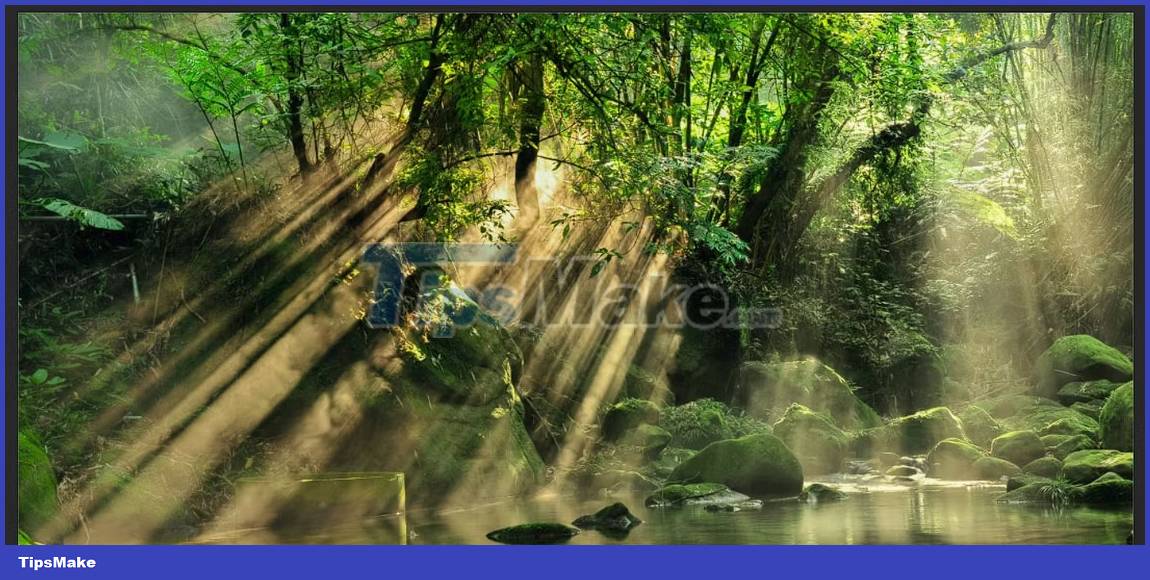
The Orton effect can be achieved in Photoshop with a few simple steps. First you need to create two duplicate layers set in different Blend Modes to change the layer properties. On top, place two adjustment layers and then apply a Gaussian Blur.
Follow these simple steps:
1. Duplicate the Background layer by pressing Ctrl + J .

2. Double click the copy layer and name it Screen.
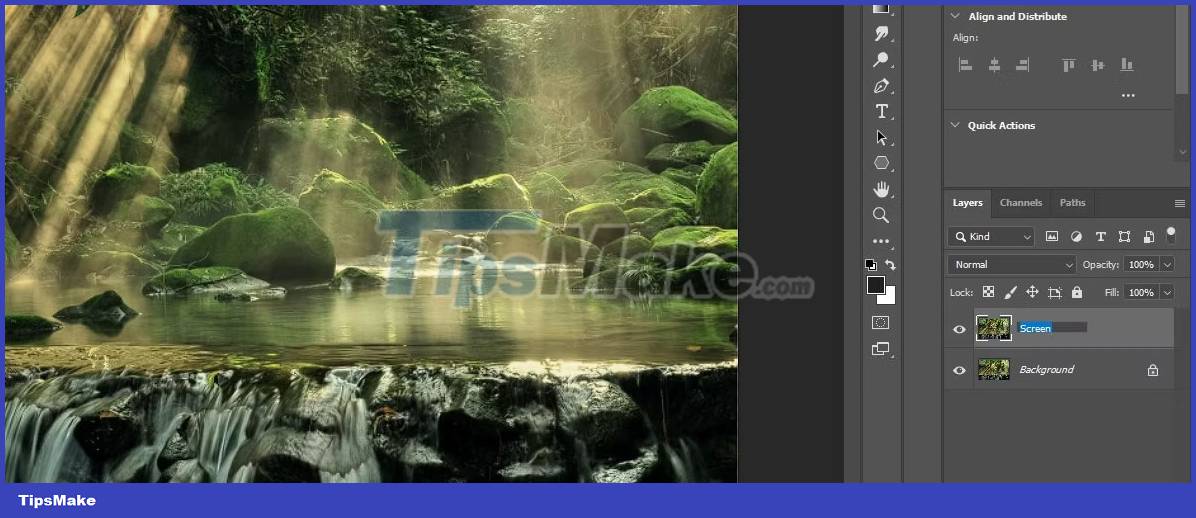
3. Change the top layer's Blend Mode from Normal to Screen.
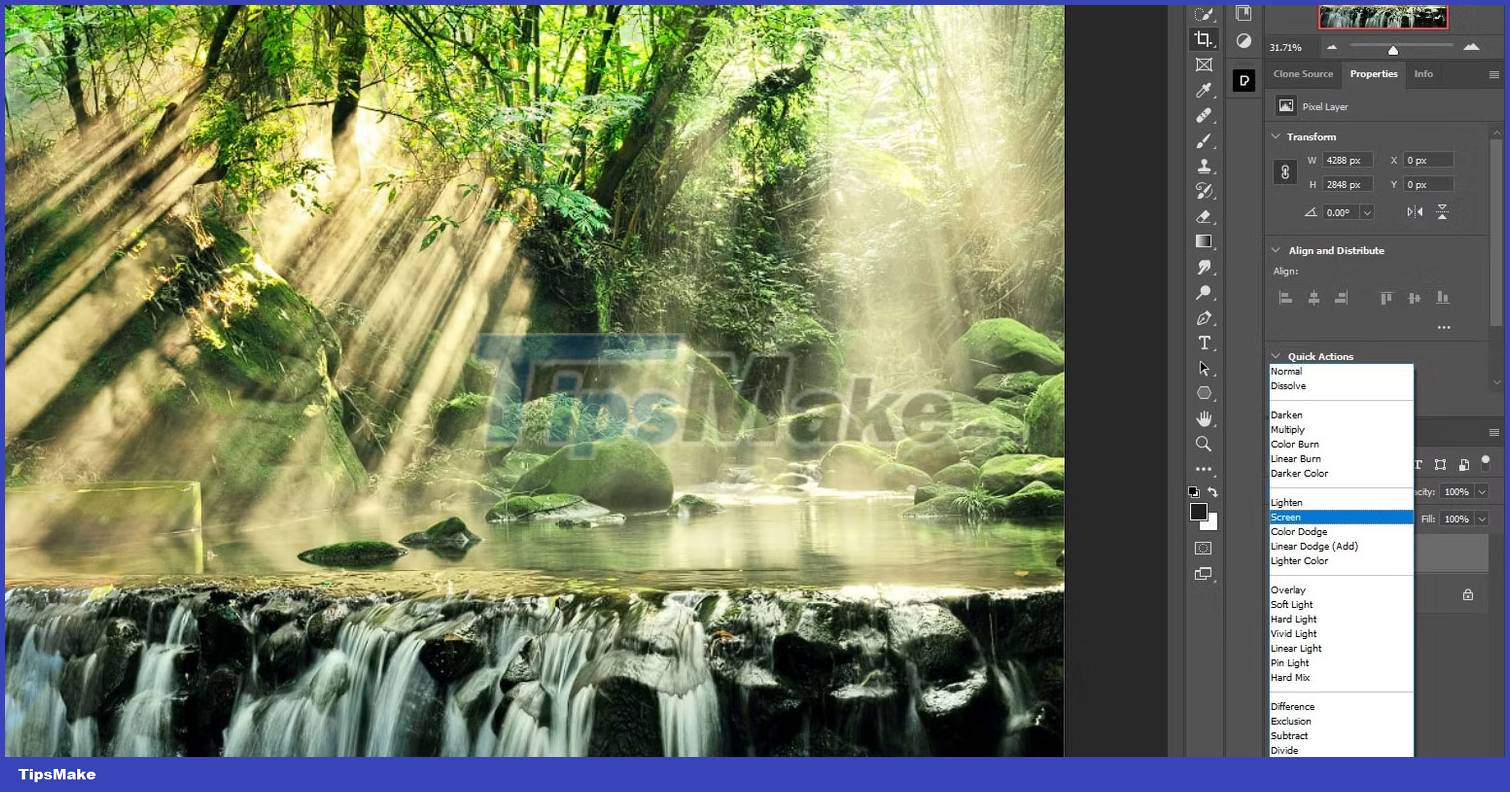
4. Press Ctrl + J to duplicate this layer and name it Multiply.
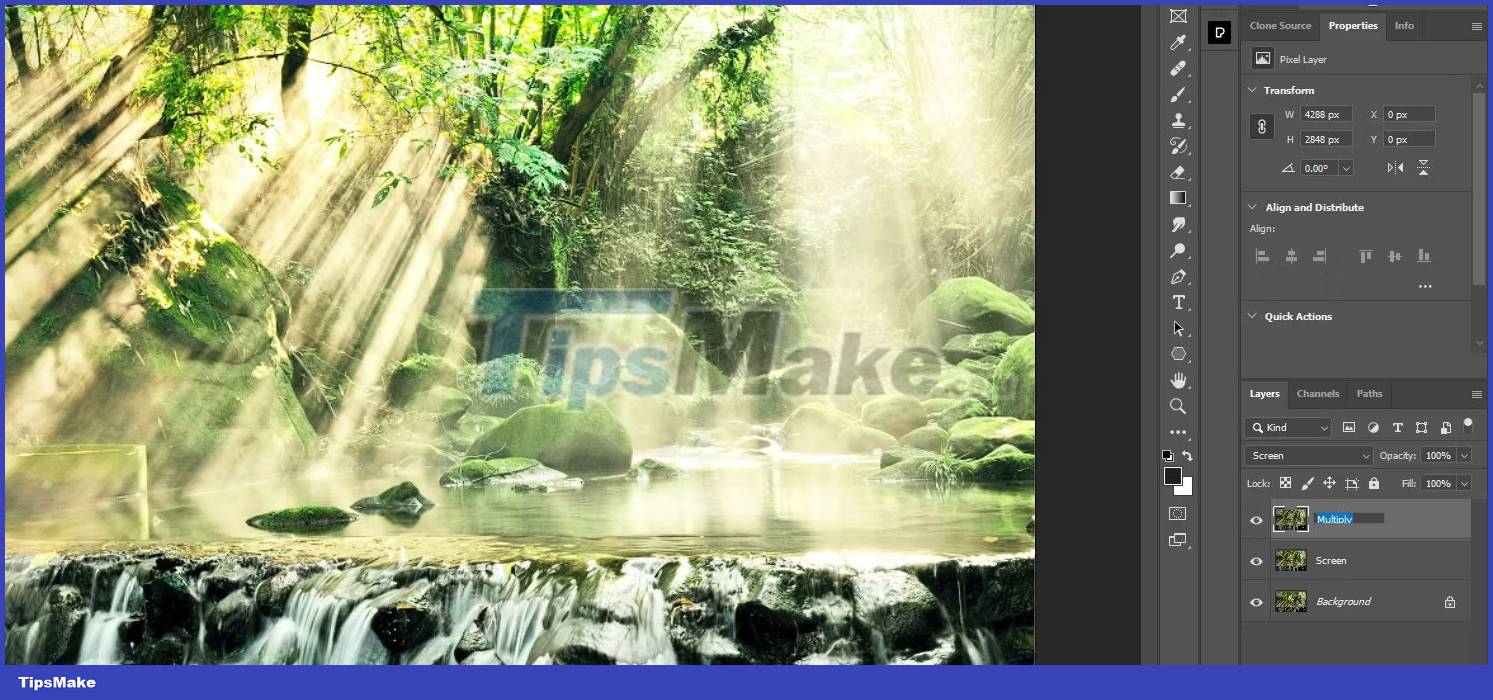
5. Change the Blend Mode from Normal to Multiply .
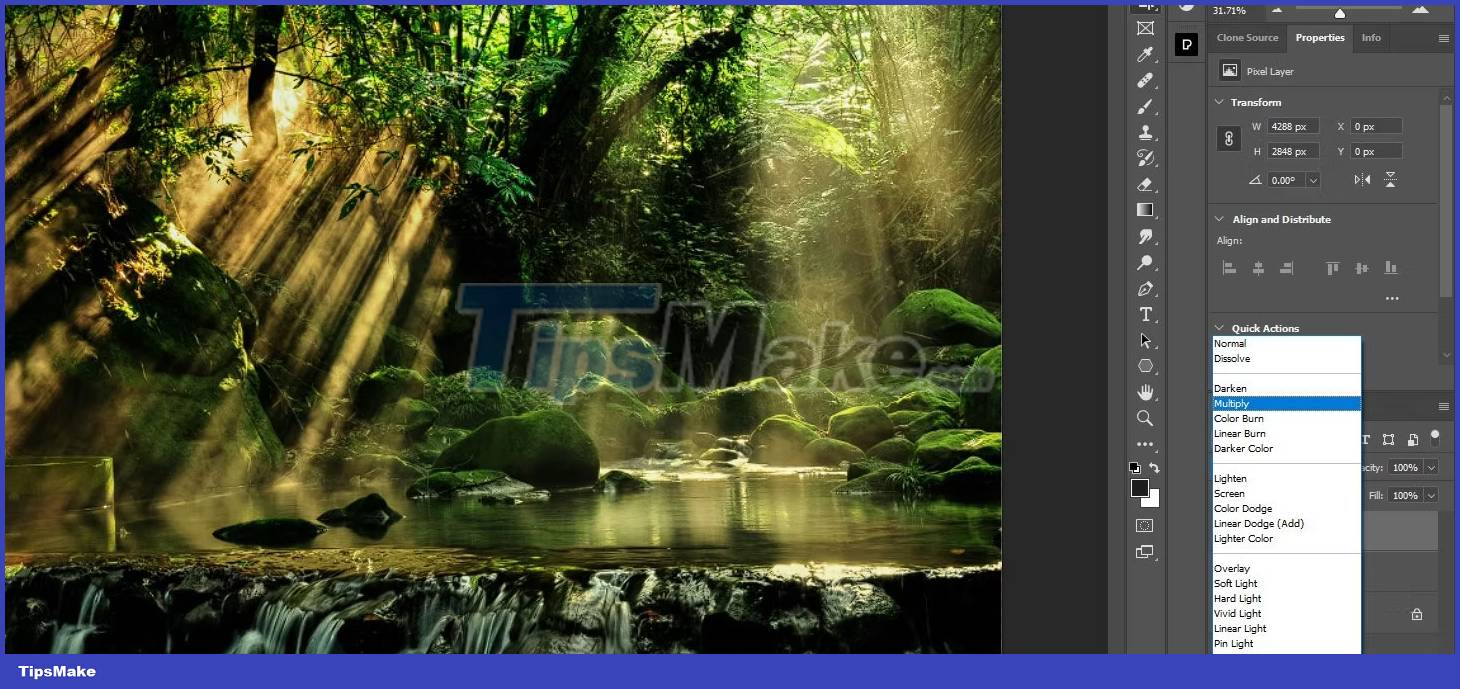
6. Create a Levels adjustment layer from the bottom right corner menu in Photoshop.
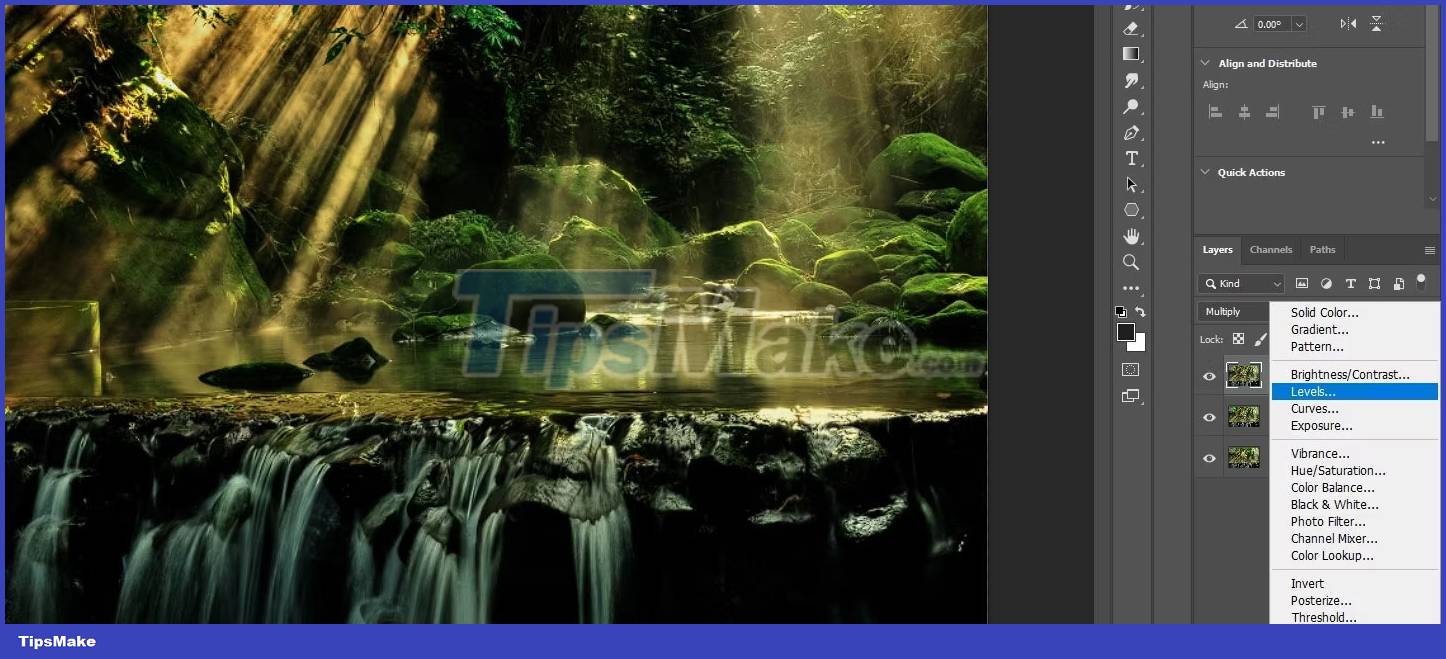
7. Move the Midtones slider to the left to lighten the image.
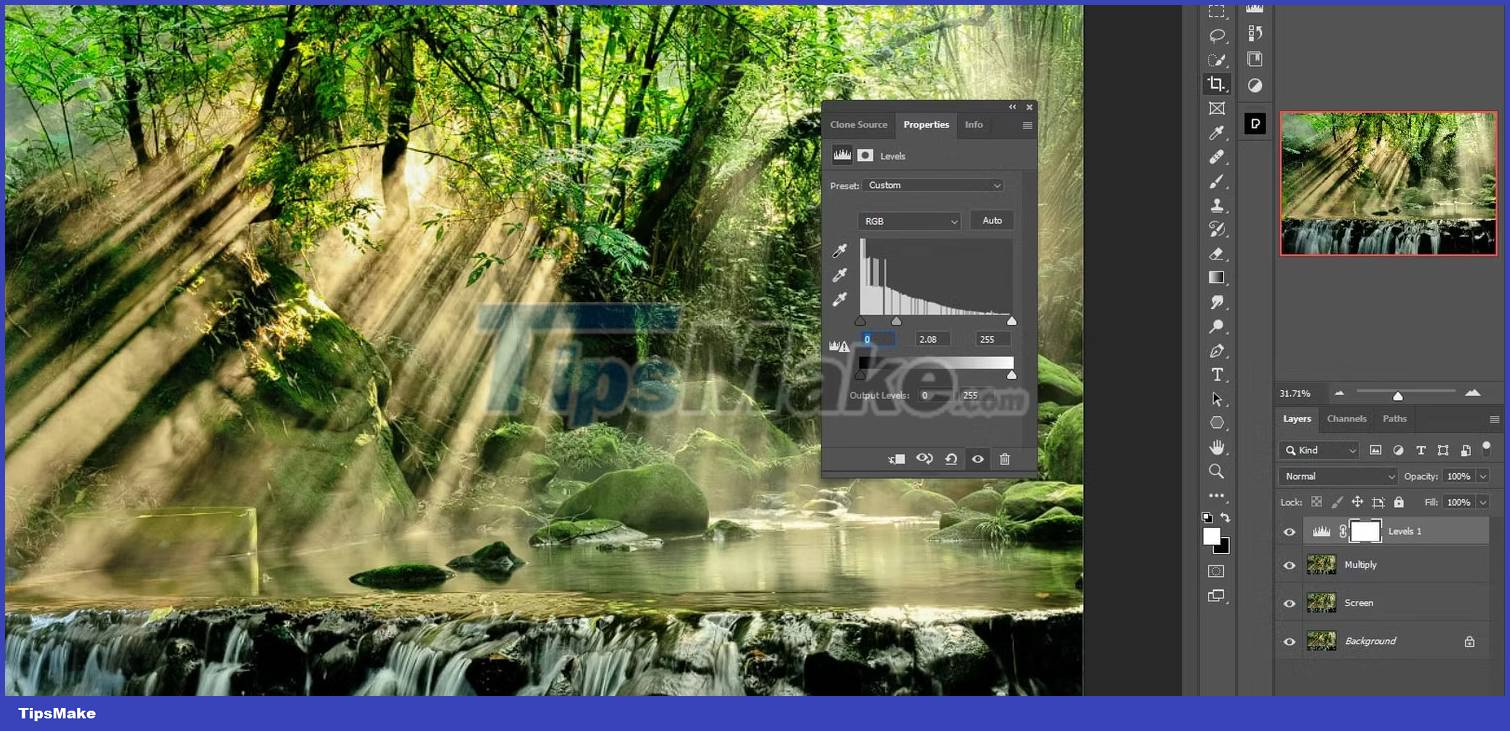
8. Create a Hue/Saturation adjustment layer from the bottom right menu in Photoshop.
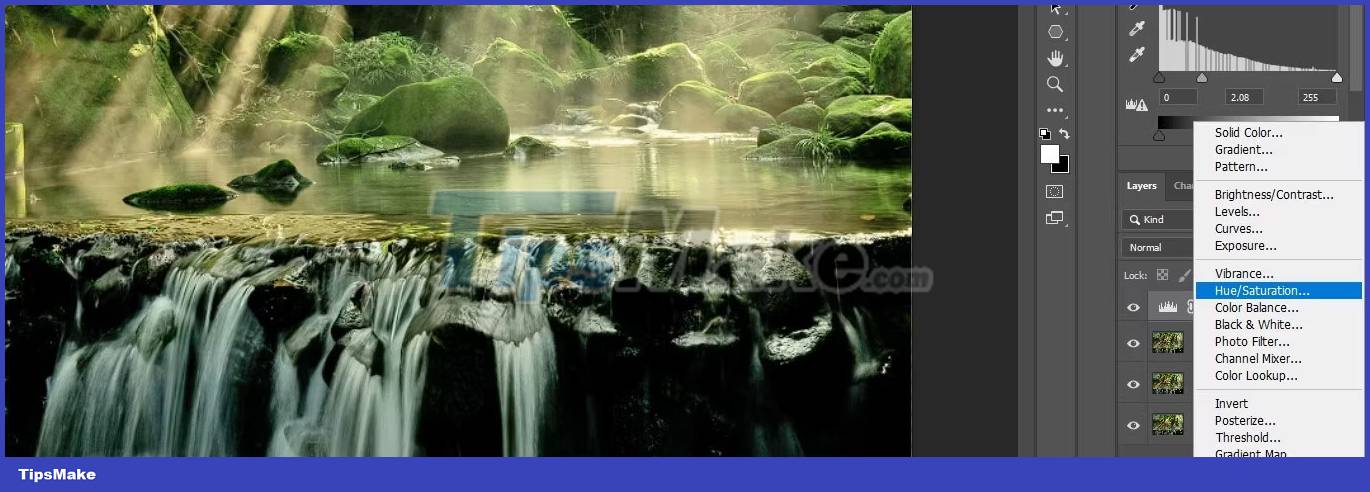
9. Increase the Saturation slider to create a dreamlike effect. This value will vary depending on the image. You can always go back and change it.
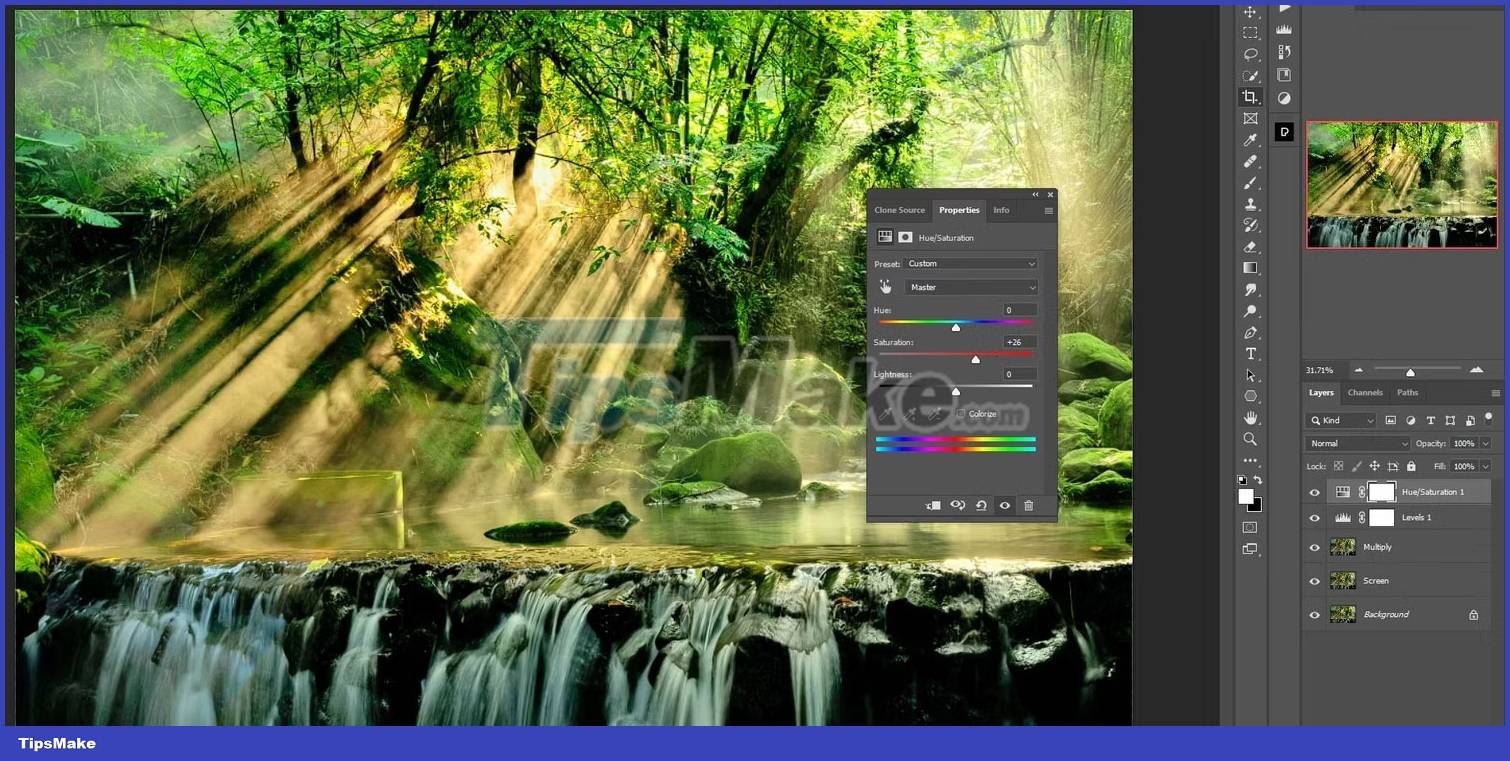
10. Click on the Multiply layer to activate it.
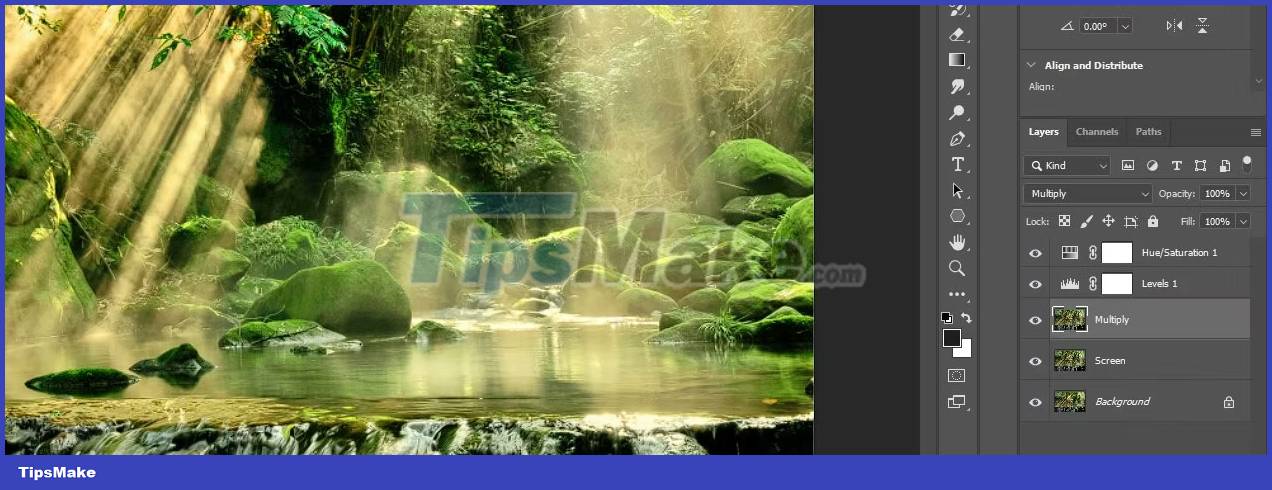
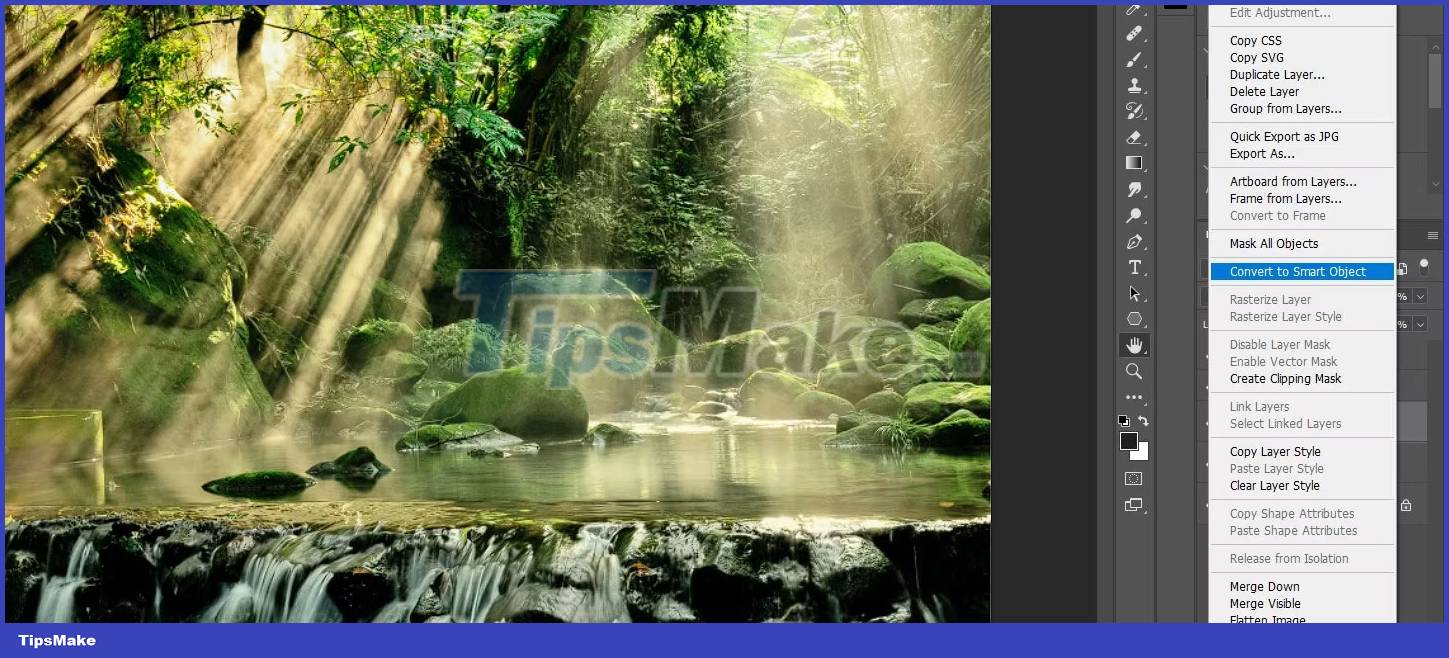
11. Right click on the Multiply layer and choose Convert to Smart Object .
12. Go to Filter > Blur > Gaussian Blur.
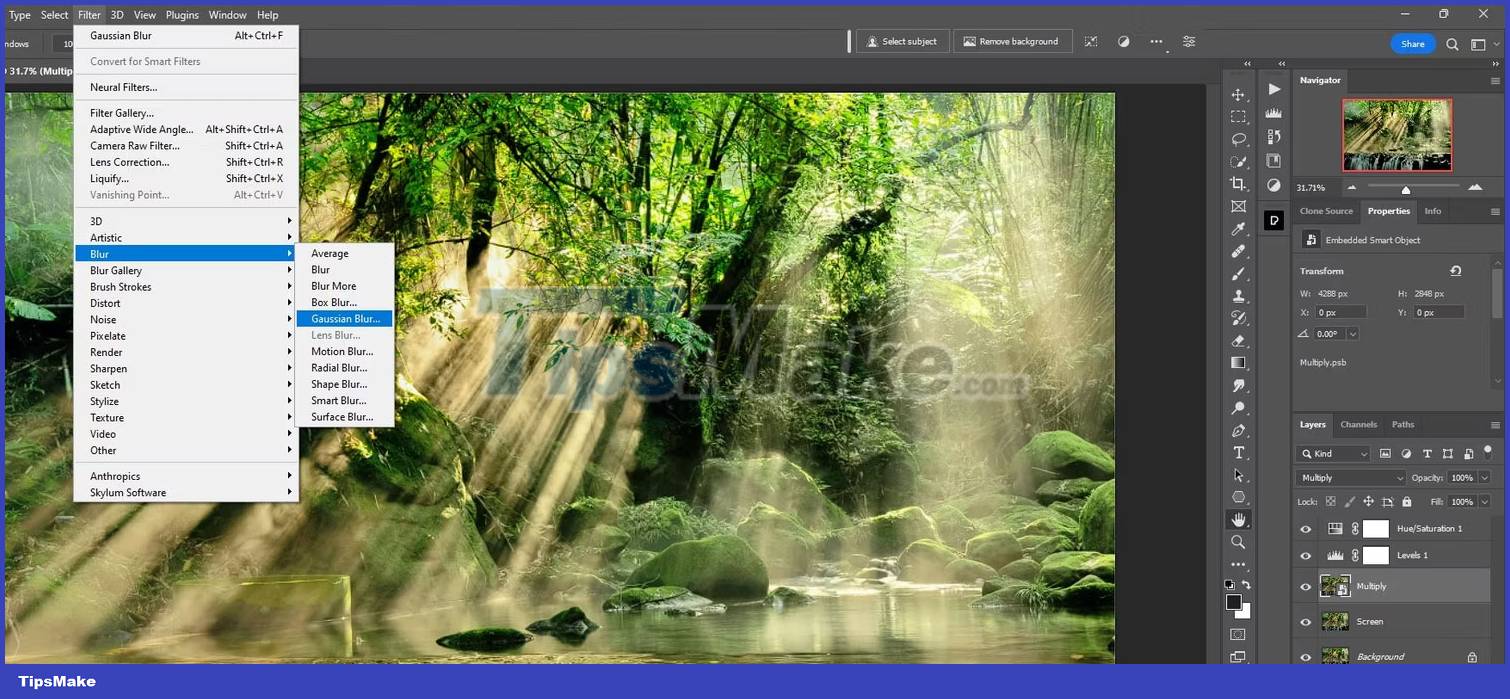
13. Change the Radius to a value that produces a dreamlike effect and click OK. Again, this value can be changed later if you need to tweak it.

Remember we created the Orton effect using a non-destructive workflow. This means you can go back and change all the values for different effects.
Before:
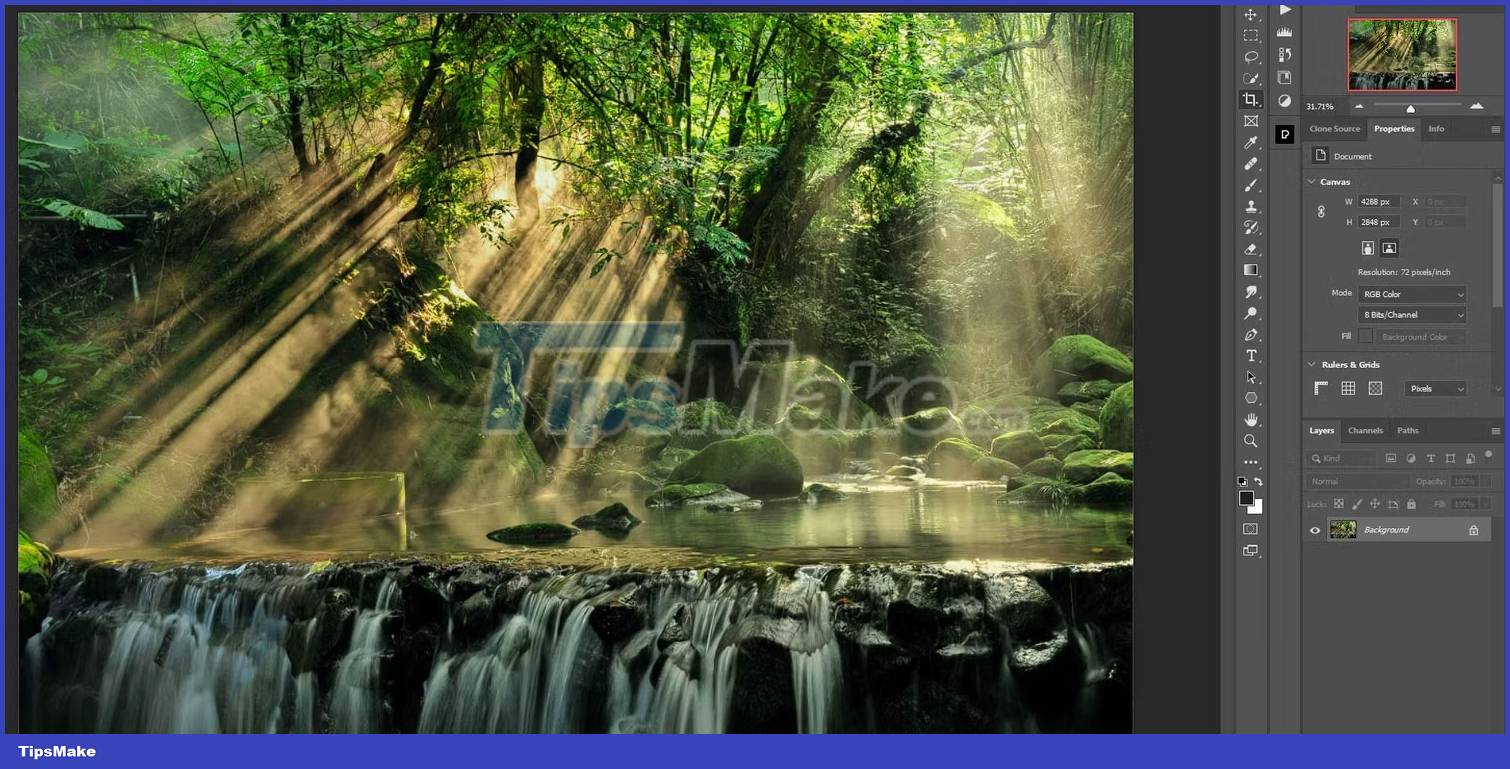
After:

Conclusion
Understanding Photoshop makes it easier to compare options, avoid common mistakes, and apply the information in this guide more effectively. Review the relevant requirements before making changes or choosing a solution.
FAQ
How do you create an orton effect in photoshop?
Follow the steps in this guide in order, confirm the required settings or tools, and verify the result before making additional changes.
Is it safe to create an orton effect in photoshop?
It is generally safe when you follow the recommended instructions, use trusted tools, and avoid changing settings you do not understand.
What should you do if the process does not work?
Recheck the requirements, restart the device or application when appropriate, and review each step for missed settings or compatibility issues.
Related Articles
 How to Create Whirlpool Effect on Photoshop: Photoshop Effects4 minutes read
 Learn How to Create a Fade Effect With Photoshop CS610 minutes read
 How to Create Picture in Picture Effect in Photoshop13 minutes read
 How to Use Photoshop CS6 (Part 4): Create a Fading Effect9 minutes read
 How to Create Poster Effect for Photos in Photoshop11 minutes read
 Tutorial to Create a Sparkling Snow Effect Using Photoshop Brush3 minutes read
Reader Comments 0
Sign in with email or Google to join the discussion.