Table of Contents
This updated guide examines How to Close Apps in Windows 10 and organizes the essential facts, background, and practical takeaways in clear American English.
Method 1of 2:
Closing Apps in Regular (Desktop) Mode
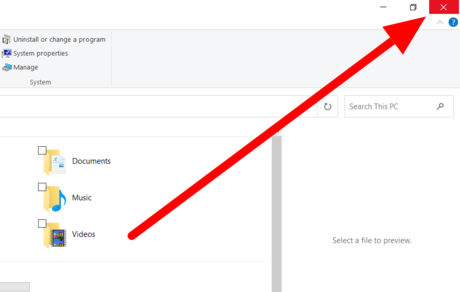 Use the✕button window control.
- Move your mouse to the top-right. Be sure to hover over the✕button.
- Watch for it to turnred. It should happen instantaneously.
- Click it. The app will close.
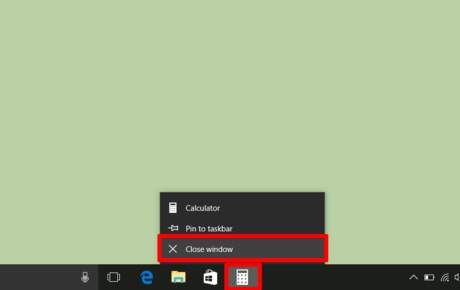 Right-click the taskbar icon. Right-clicking the taskbar brings up a list of options, including the ability to close the window(s).
- Locate the icon of the app you wish to close.
- Right-click the app icon.
- Click✕ Close window. It's the option closest to the icon.
- Note: The option will be listed as✕ Close all windowsif the app has multiple windows open and you've configured the icons to combine. You can configure this setting in "Settings > Personalization > Taskbar > "Combine taskbar buttons" dropdown".
 Use theTask Viewwindow.
- Click the taskbar task view
 icon. It's to the right of the search bar/icon. Alternatively, press⊞Win+Tab↹together.
 - Locate the app you wish to close.
- Move your pointer to the top-right of the app preview, parallel to the title.
- Click the✕button. It'll turnredwhen highlighted.
- Click the taskbar task view
 End the task via Task Manager. Ending tasks in Task Manager has been commonly used to close frozen apps since Windows 9x.[1]
- Open Task Manager. Right-click an empty spot on the taskbar and clickTask Manager.
- Ensure you're in the advanced view. If so, you'll see a collection of tabs towards the top. If you find yourself in the simplified view, click "More details" at the bottom.
- Ensure you're on theProcessestab.
- Click an app from below the "Apps" header.
- ClickEnd taskfrom the bottom-right. The app should close within a few seconds.
 Use the title bar context menu.
- Right-click the title bar of the app.
- Choose× Close. It's at the bottom of the menu.
 Use theAlt+F4keys. Pressing these two keys will close the currently selected app window. Unselected windows won't be affected.
Method 2of 2:
Closing Apps in Tablet Mode
 Use the✕button window control.
- Tap thered✕button at the top-right of your screen. Note: The window control for Windows Store apps is hidden until provoked (only by a mouse).
- Tap it. The app will close and the full screen Start menu will open.
 Pull the app's title bar to the bottom of the screen. This was introduced as the way to close Windows 8 Metro apps.[2]It's slightly different in Windows 10—there is no flip animation. Just pull the title bar to the bottom of the screen and release.
 Use theTask Viewwindow.
- Click the taskbar task view
 icon. It's to the right of the search bar/icon. Alternatively, press⊞Win+Tab↹together.
 - Locate the app you wish to close. From here, you can drag it to the bottom or continue reading.
- Press and hold on the app preview.
- ChooseClose.
- Click the taskbar task view
 Use Task Manager. Ending tasks in Task Manager has been commonly used to close frozen apps since Windows 9x.[3]
- Press the Cortana/search icon on the taskbar.
- Search fortask manager.
- Choose the matching result.
- Task Manager: Alternatively, right-click the listing and clickEnd taskfrom the context menu.
- TapEnd taskfrom the bottom-right. The app should close within a few seconds.
 Use the title bar context menu.
- Hold down and release the title bar of the app.
- Choose× Close. It's at the bottom of the menu.
 Use the taskbar app icon context menu.
- Press and hold the taskbar.
- Ensure there is a check mark next toShow app icons. If not, tap it.
- Locate the icon of the app you wish to close.
- Hold down and release the app icon.
- Tap✕ Close window. It's the option closest to the icon.
- Note: The option will be listed as✕ Close all windowsif the app has multiple windows open and you've configured the icons to combine. You can configure this setting in "Settings > Personalization > Taskbar > "Combine taskbar buttons" dropdown".
FAQ
What is How to Close Apps in Windows 10 about?
It provides a structured overview of app, explains the main context, and highlights practical takeaways for readers.
Why does this topic matter?
Understanding the main concepts helps readers evaluate the issue, avoid common mistakes, and make better-informed decisions.
How should readers use this information?
Use the guidance as a practical starting point, confirm details that may have changed, and follow current product, safety, or security recommendations.
Related Articles
 How to Close Apps in Windows 83 minutes read
 Should You Close Apps on Mac Often? Here's the Answer: Complete Guide5 minutes read
 How to Close Windows in Windows 85 minutes read
 How to Close All Open Windows of an App in Mac Os4 minutes read
 How to Close the Application on Android5 minutes read
 How to Close All Open Applications at Once on Windows 11?4 minutes read
Reader Comments 0
Sign in with email or Google to join the discussion.