Table of Contents
This updated guide examines How to Find the Windows 10 Startup Folder and organizes the essential facts, background, and practical takeaways in clear American English.
These programs are controlled through the Startup folder on your Windows 10 PC. The following article will show you where to find and control what is in that folder for all users.
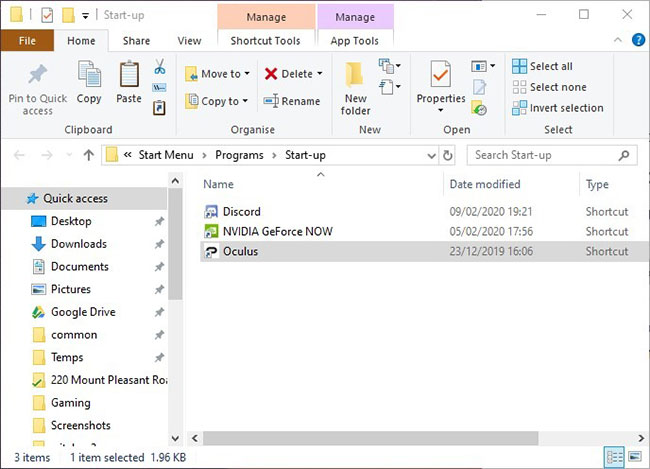
By default, the Windows 10 Startup folder for all users is:
C:ProgramDataMicrosoftWindowsStart MenuProgramsStartUpYou can also access the Startup folder by pressingWin+R, then enter shell: common startup in the Run box.
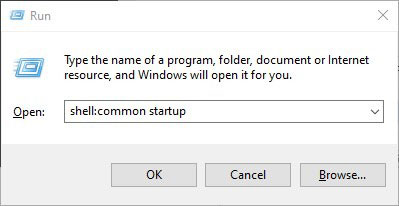
To find the Startup folder for users currently logged in to Windows 10, visit:
C:UsersUserAppDataRoamingMicrosoftWindowsStart MenuProgramsStartup. or pressWin+R, then enter shell: startup.
Once in this directory, you might be surprised to find that programs that start with Windows 10 aren't really here.
You can add program shortcuts manually here and they will start with the PC from now on, but the applications have been automatically added by third-party software or Windows 10 controlled from Tasks. Manager .
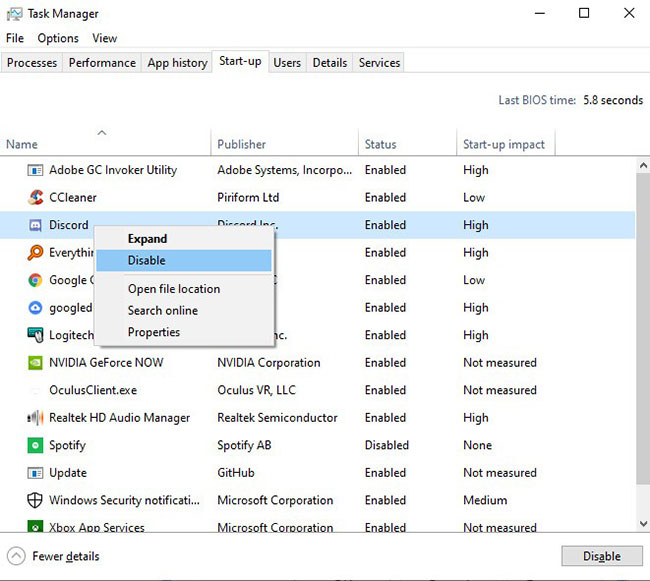
To access them, pressCtrl+Shift+Esc, then click the Startup tab . From here, you can control the rest of the programs that start with Windows, right-click on them and turn them on or off as you like.
Now you have found the Startup folder . You can check if these applications are slowing down the Windows start up process. You can also delay this so that these startup items don't load immediately, to improve boot speed.
FAQ
What is How to Find the Windows 10 Startup Folder about?
It provides a structured overview of Windows 10, explains the main context, and highlights practical takeaways for readers.
Why does this topic matter?
Understanding the main concepts helps readers evaluate the issue, avoid common mistakes, and make better-informed decisions.
How should readers use this information?
Use the guidance as a practical starting point, confirm details that may have changed, and follow current product, safety, or security recommendations.
Related Articles
 Prefetch: How to Make Windows Xp Startup Faster4 minutes read
 How to Change Startup Program on Windows 7: Complete Guide8 minutes read
 How to Control Windows 8 Startup Programs5 minutes read
 How to Change Startup Programs in Windows 77 minutes read
 Steps to Fix Startup Program Error Not Starting with Windows6 minutes read
 Fix the Problem of Opening the Download Folder on Windows 10 Too3 minutes read
Reader Comments 0
Sign in with email or Google to join the discussion.