Table of Contents
This article examines Process photos in photoshop and explains the main developments, practical implications, and context readers should understand.
With Adobe Photoshop:
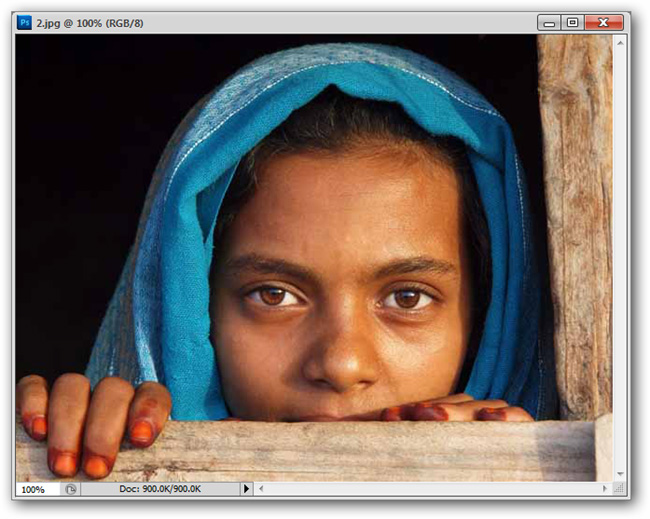
JPG is one of the most popular image formats today, but the lack of filetype support can make the picture a mess. Please zoom in and take a closer look at the photo above:
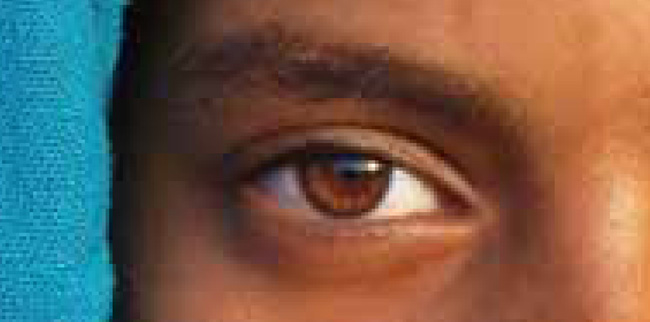
Clearly, we can easily see that every small piece of the image is visible, especially around the eyes. Follow some steps below to reduce this phenomenon.
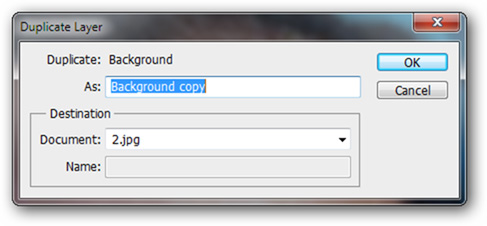
First, create a copy of the background image - Background, right click on the Background layer and select Duplicate Layer:
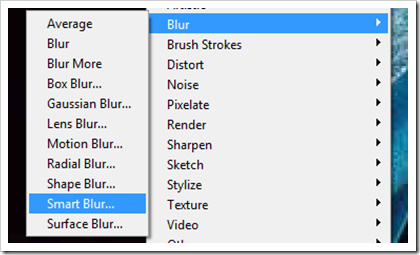
On the new layer, go to Filter> Blur> Smart Blur, and for Gimp, select Selective Gaussian Blur with the parameters of radius and Threshold:
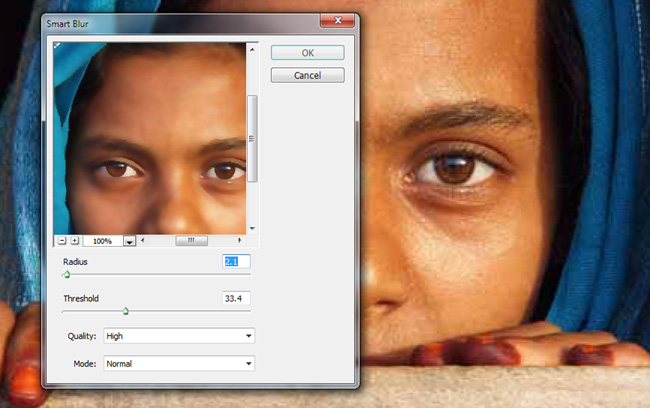
This setting works quite well with JPG images, if there are many extra details on the image, increasing the index of the Radius option and higher Threshold, the Quality section should set to High:
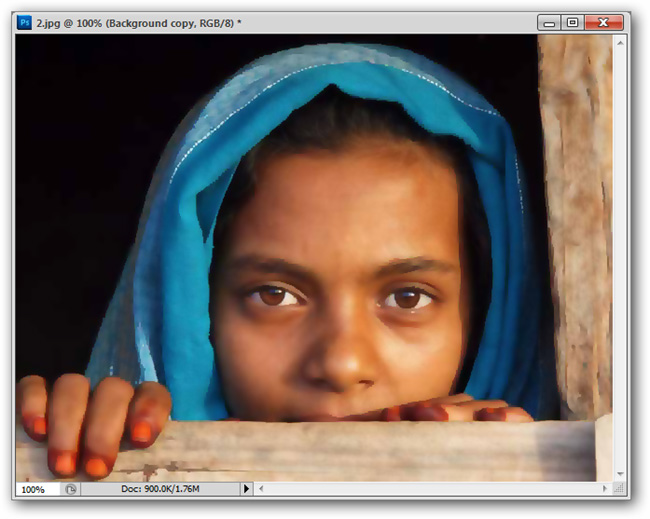
Depending on the Photoshop filter set, the results will be different. But it appears that the picture has not really been as natural as it used to be, but in the next section we will see how to improve and fix what remains on the image.
Convert Corresponding Smart Blur into Images:
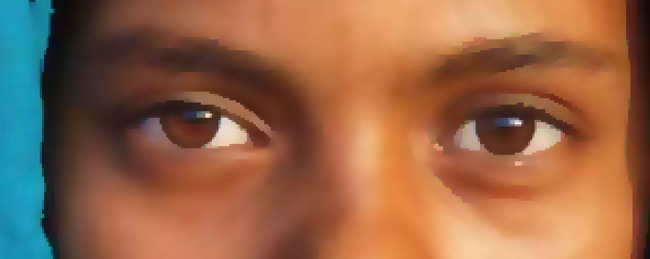
With the screenshot above, we can easily recognize many of the problems that exist here. The details are too rough, many angles, colors overlap.
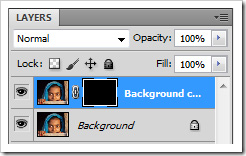
Create a new Layer Mask on the Smart Blur layer, and this layer will cover all the layers above the original JPG image.
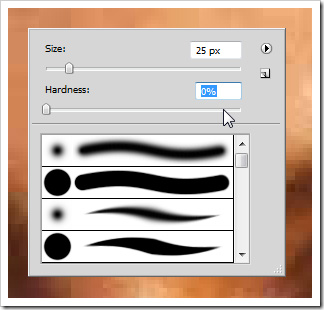
Select the Brush tool and fill the Foreground color with white, set the Brush 's hardness to 0% initially, and the Size parameter option to fit the image.
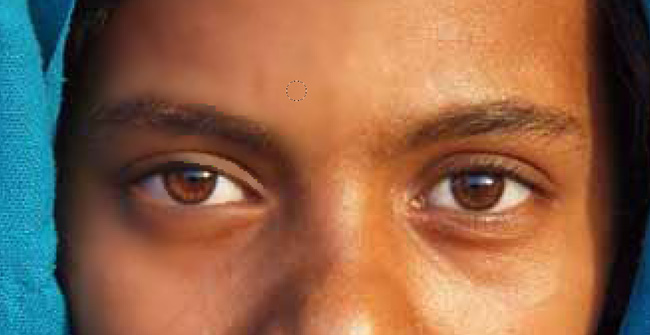
Fill the parts of the image that we need to reduce the rough, angular details. Be careful with the parts around your eyes, use the Undo function many times until you get the results you want.
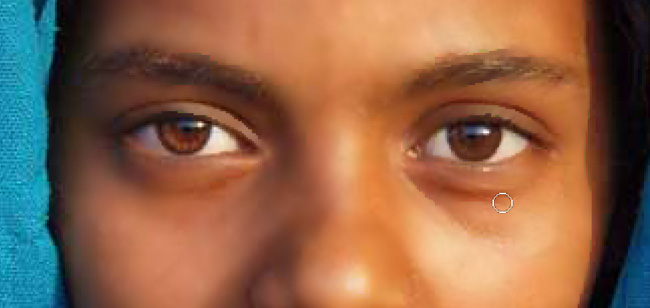 Continue painting until the Smart Blur layer appears again
Smart Blur layer selection will allow users to retain the details, important components of the original image layer through distortion, change JPG, while eliminating unnecessary and rough details.
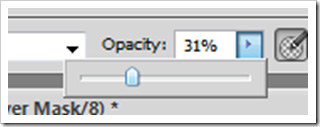
Depending on the specific situation, you should change the Opacity parameter to bring more obvious effect, besides, you can keep some details from the original JPG layer.
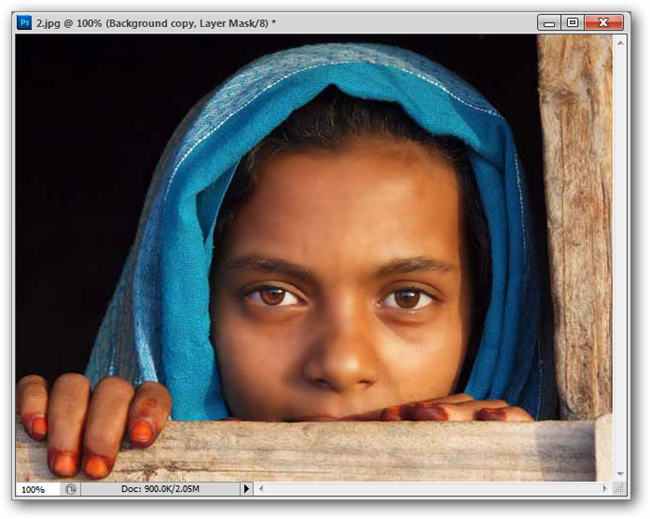
No need to perform too many complicated operations, we have seen remarkable effect on the photo at this time.
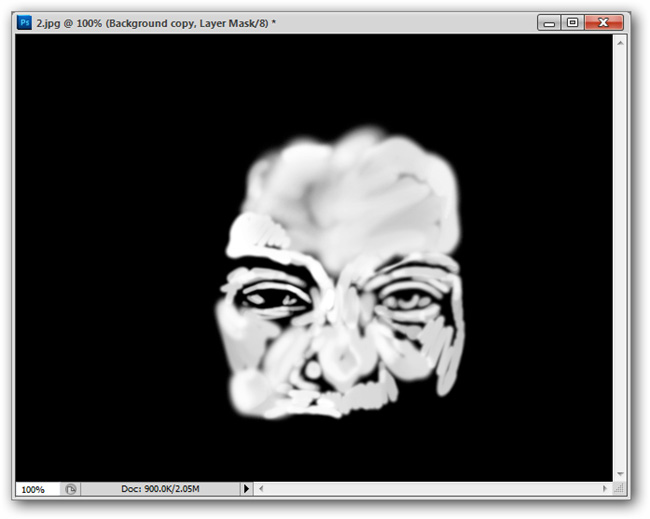
At this point, we only allow Smart blur layer to display on a part of the face, above is the Layer Mask layer. The white part is what we painted with white - the Brush in the previous step.
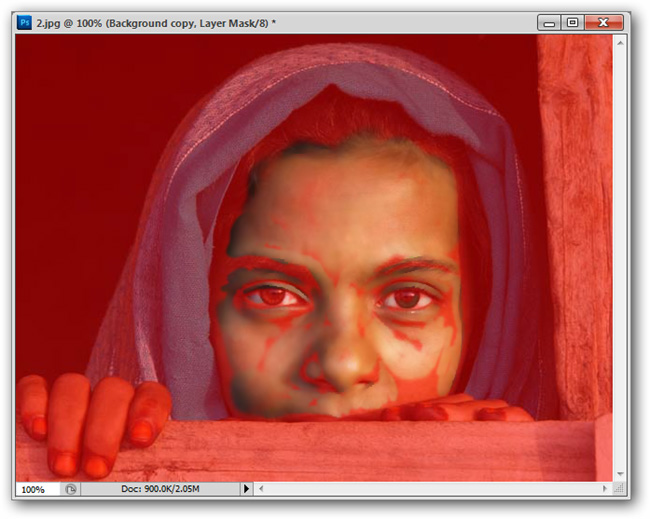
Above is the overlay, with the red part corresponding to the Smart Blur layer locked.
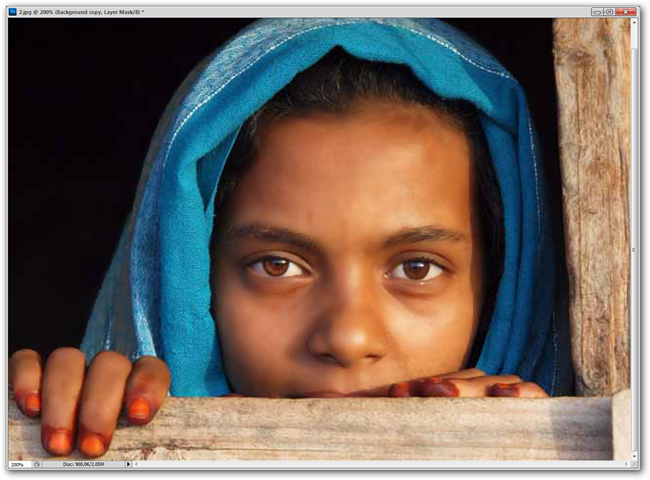
With some simple steps like above, we were able to make a difference to the image, still retaining the important details that have almost no effect on the surrounding components.
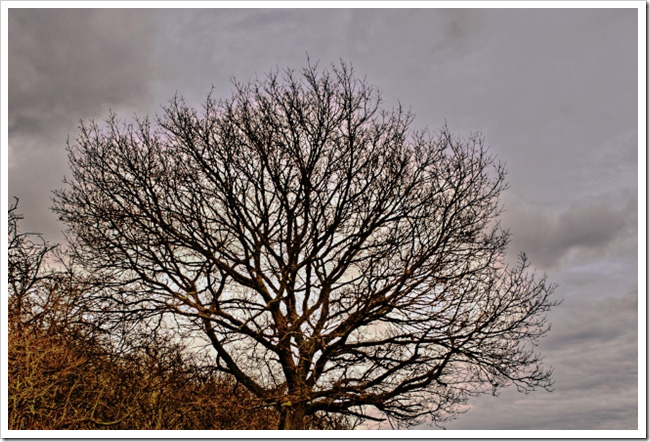
Go to the next example, when you have an outdoor landscape picture (for example, the image above), the JPG format often produces distorted details, the texture changes a lot compared to the original photo.
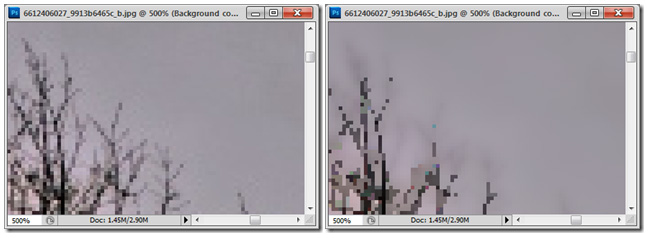
The following way will be extremely useful if our image consists of the sky and small details attached, such as clouds, branches.
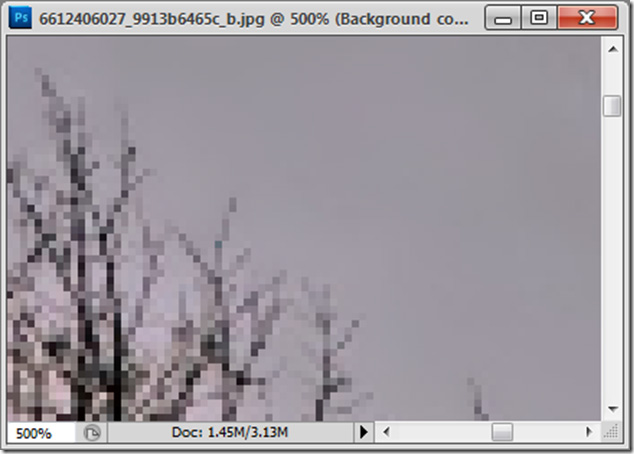
In this zoom mode, we can easily combine the smart blur layer with the details in the original JPG image. Still looking at the specifics of the branches, the sky became smoother, and the surrounding obstacles were greatly reduced.
Good luck!
FAQ
What does Remove Bad Details from Photos with Adobe Photoshop explain?
This article examines Process photos in photoshop and explains the main developments, practical implications, and context readers should understand.
Who is most affected by Process photos in photoshop?
With Adobe Photoshop: JPG is one of the most popular image formats today, but the lack of filetype support can make the picture a mess.
What are the key takeaways from this topic?
Please zoom in and take a closer look at the photo above: Clearly, we can easily see that every small piece of the image is visible, especially around the eyes.
Related Articles
 Use Photoshop Mix to Delete Details in the Image6 minutes read
 How to Use Photoshop Fix Delete Excess Details in Photos5 minutes read
 How to Delete Tattoos in Photoshop3 minutes read
 Adobe Launches AI Assistant for Photoshop5 minutes read
 Remove Objects in Photos with Photoshop's New AI-Powered Remove Tool5 minutes read
 How to Remove Stains on a Shirt in Photoshop2 minutes read
Reader Comments 0
Sign in with email or Google to join the discussion.