Table of Contents
This guide provides a practical overview of Instructions to Change the Cell Background Color (Cell), including its main features, benefits, limitations, and important considerations.
1. Change the cell background color simply
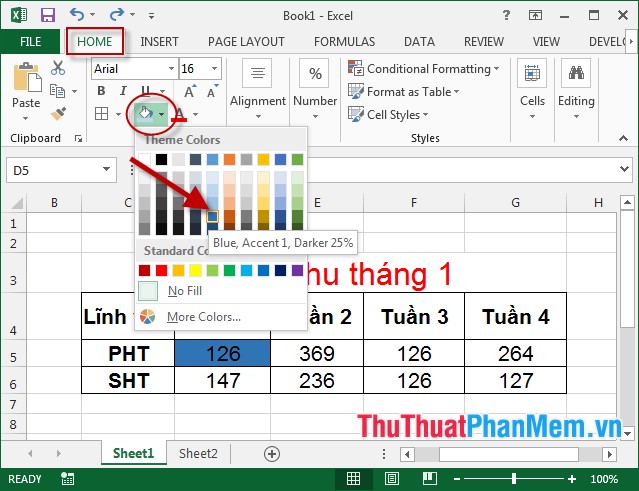
- Select a cell to fill with the background -> go to the Home tab -> Fill Color -> select a fill color:
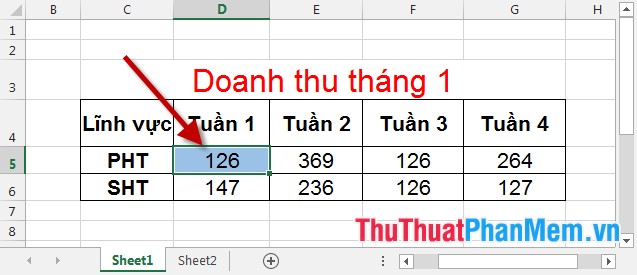
- The result has the cell color as shown:
- In case you want to remove the background color, click the No Fill button:

2. Change the cell background color by value
In case the number of calculations in the table is too large, you need to emphasize special values, use the cell's background color by value.
Step 1: Select the cells that need background color -> Home -> Conditional Formatting -> Manages Rules:

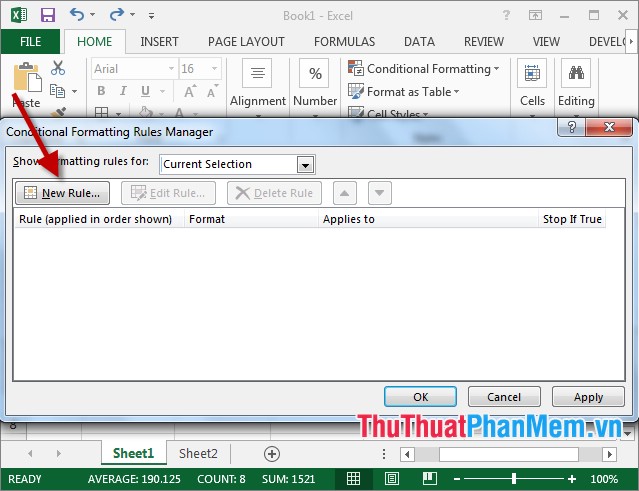
Step 2: A dialog box appears and click New Rule:
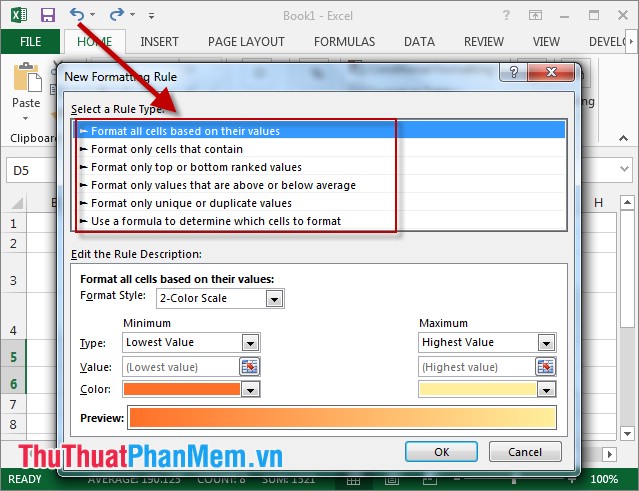
Step 3: Select the type of conditions to color, with the following options:
+ Format all cells based on their values: color the background of all cells based on its values
+ Format only cells that contain: Fill the cell background color according to the value on the cell.
+ Format only top or bottom ranked values: color according to the data area between the first and last value.
+ Format only values that are above or below average: fill the cells with values above or below the average value.
+ Format only unique or duplicate values: color the cells with unique or duplicate values .
+ Use a formula to determine which cells to format: use another formula to color.
- For example, here select the color according to the value on the cell -> in Format only cells with click on the arrow to select the type of condition. For example, here is the option to color cells that are larger than the value in E6 -> click Format to select cells and other formats:
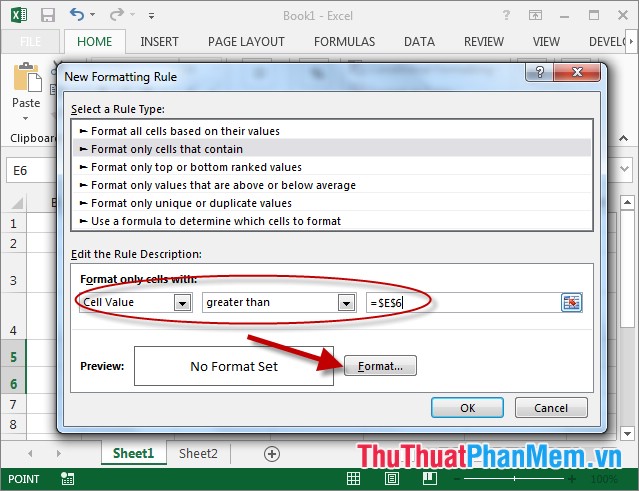
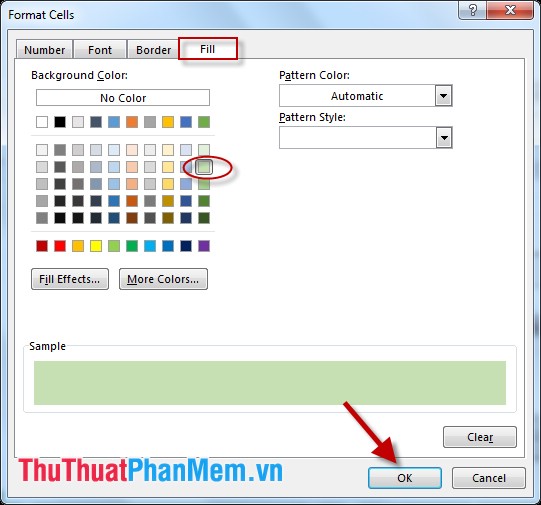
Step 4: The Format Cell dialog box appears, select a fill color in the Fills tab , and select other cell formats -> OK:
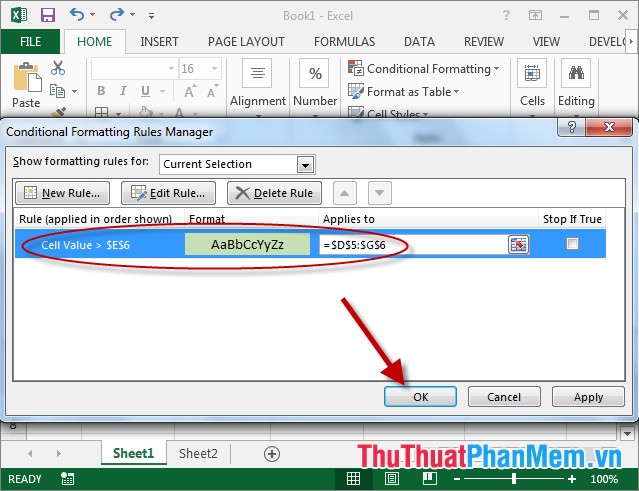
Step 5: Click OK to confirm your selection:

Step 6: Continue to click OK to confirm:
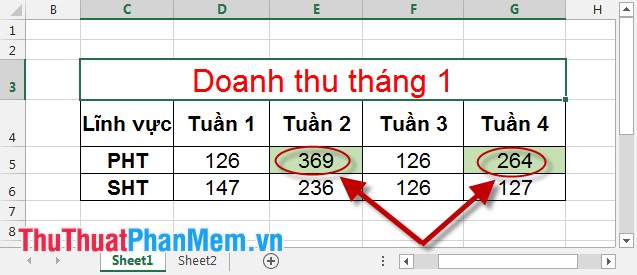
- Result of cells with values greater than the value in cell E6 are colored:
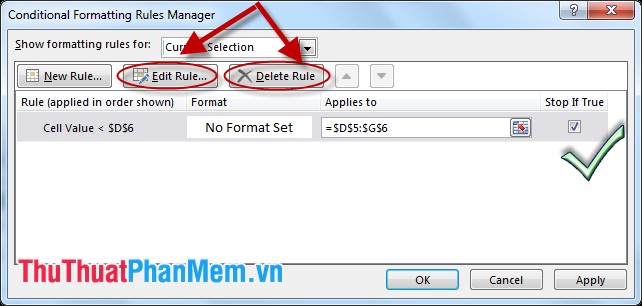
In addition, to edit the rules , create a check mark in the Stop If True section and click on the Rule in the Edit Rule option , to clear the Delete Rule option .
Above is a detailed guide on how to change the cell's background color (Cell) in Excel 2013, with other versions you manipulate similar . Hope to help you During working with a huge amount of data. Good luck!
FAQ
What should I know about Instructions to Change the Cell Background Color (Cell)?
Focus on the key features, requirements, limitations, and practical use cases explained in this guide.
How do I get the best results with Instructions to Change the Cell Background Color (Cell)?
Follow the recommended steps, use current software or information, confirm compatibility, and review settings before major changes.
Are there any risks or limitations?
Potential limitations depend on compatibility, data quality, cost, privacy, support, and how the product or method is used.
Related Articles
 Calculate by Cell Background Color in Excel3 minutes read
 How to Change Spreadsheet Color Lines in Excel4 minutes read
 Change Color Between Different Lines in Microsoft Excel3 minutes read
 How to Color the Background, Table Color in Word, Excel3 minutes read
 How to Change the Background Color in Photoshop6 minutes read
 How to Change the SheetTab Color and Hide the Worksheet in Excel3 minutes read
Reader Comments 0
Sign in with email or Google to join the discussion.