Table of Contents
This updated guide examines How to Unrar and organizes the essential facts, background, and practical takeaways in clear American English.
Method 1of 3:
Windows
 Navigate to the 7-Zip downloads page athttp://www.7-zip.org/download.html. 7-Zip is free, open-source file-archiver software that opens and manages RAR files in Windows.
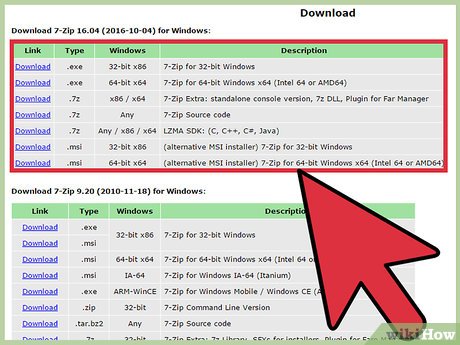 Select the option to download the latest version of 7-Zip for your Windows system. 7-Zip is available for 32-bit and 64-bit systems.
- Follow these steps to confirm whether you're using a 32-bit or 64-bit system.
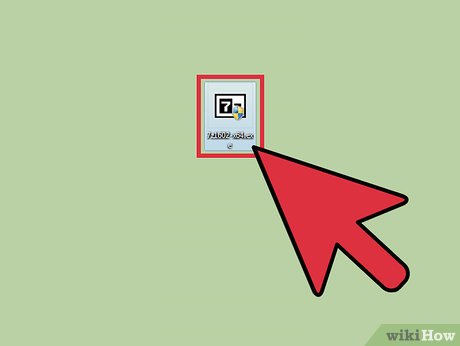 Launch the 7-Zip installer and select where you want 7-Zip installed on your computer.
 Click 'Install,' then 'Finish' in the 7-Zip installer. The program will launch, and display files and folders on your computer.
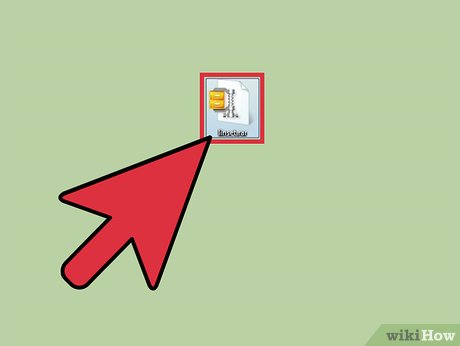 Navigate to the RAR file you want opened using 7-Zip.
 Right-click on the RAR file and select 'Open.' This extracts the contents of the RAR file.
 Double-click on the RAR file, then select the program in which you want to view the file. The contents of the RAR file will display in the application selected.[1]XResearch source
Method 2of 3:
Mac OS X
 Navigate to the Unarchiver downloads page athttp://wakaba.c3.cx/s/apps/unarchiver. Unarchiver is a free data compression utility that opens RAR files in Mac OS X.
 Click 'Download,' then launch Unarchiver from your Downloads folder. This opens the Unarchiver Preferences window.
 Place a checkmark next to 'RAR Archive,' then click the 'Extraction' tab.
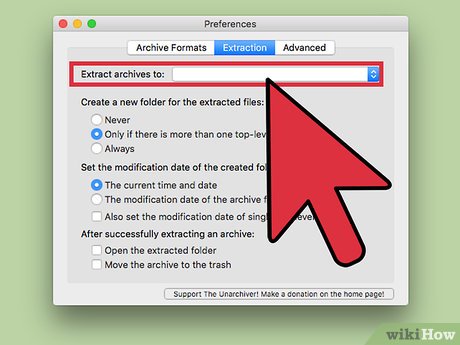 Select where you want the contents of the RAR file extracted on your computer.
 Navigate to the RAR file you want opened using Finder.
 Right-click on the RAR file and select 'Open With.'
 Select 'Unarchiver' from the 'Open With' dropdown menu. This extracts the contents of the RAR file using Unarchiver, and saves it to the location specified earlier.
 Double-click on the extracted RAR file, then select the program in which you want to view the file. The contents of the RAR file will display in the application selected.[2]XResearch source
Method 3of 3:
Mobile Devices
 Launch the app store on your mobile device.
 Use the search feature to identify apps that open and extract RAR files. Examples of useful search terms include 'unrar files,' 'open rar files,' and 'extract rar files.'
 Select the option to install the unrar tool of your choice. Examples of high-rated apps that open RAR files are iZip by ComcSoft for iOS, and Simple Unrar by Resonance Lab for Android.
 Launch the unrar tool following installation.
 Use the in-app prompts to navigate to and select the RAR file you want opened. The app will open and extract the contents of the RAR file on your device.
FAQ
What is How to Unrar about?
It provides a structured overview of rar, explains the main context, and highlights practical takeaways for readers.
Why does this topic matter?
Understanding the main concepts helps readers evaluate the issue, avoid common mistakes, and make better-informed decisions.
How should readers use this information?
Use the guidance as a practical starting point, confirm details that may have changed, and follow current product, safety, or security recommendations.
Related Articles
 How to Unrar Files in Linux4 minutes read
 Extract Software: How to Extract Multiple Files on Windows 105 minutes read
 How to Play Pokémon GO on a Computer6 minutes read
 How to Play Pokémon GO on a Smartphone6 minutes read
 26 Types of Poké Balls Explained: Part 25 minutes read
 How to Earn and Use Stardust in Pokémon GO5 minutes read
Reader Comments 0
Sign in with email or Google to join the discussion.