Table of Contents
Generations III–V introduced 13 special Poké Balls, each intended for a particular encounter or purpose. Repeat, Timer, Nest, Net, Dive, Quick and Dusk Balls can improve your chance of catching a Pokémon when their conditions are met. Premier, Luxury, Heal, Cherish, Park and Dream Balls are notable for how they are obtained or what they do after a catch.
Important: Poké Ball mechanics are not identical in every game. The explanations below focus on the core series, describe each ball's original purpose and note major changes in later generations. Pokémon GO uses some of these balls differently.
Generation III Poké Balls
Premier Ball
In the core-series games, a Premier Ball is usually awarded as a bonus when the player buys Poké Balls in bulk, although the exact shop requirement varies by title. Its standard catch-rate modifier is 1×, the same as a regular Poké Ball. In Pokémon GO, Premier Balls instead appear in certain limited encounters, including raid and Team GO Rocket bonus challenges.

Repeat Ball
A Repeat Ball is more effective when the target species is already registered as caught in the player's Pokédex. It has a 3× catch-rate modifier from Generations III through VI and a 3.5× modifier from Generation VII onward. Against a species that has not already been caught, it performs like a regular Poké Ball.

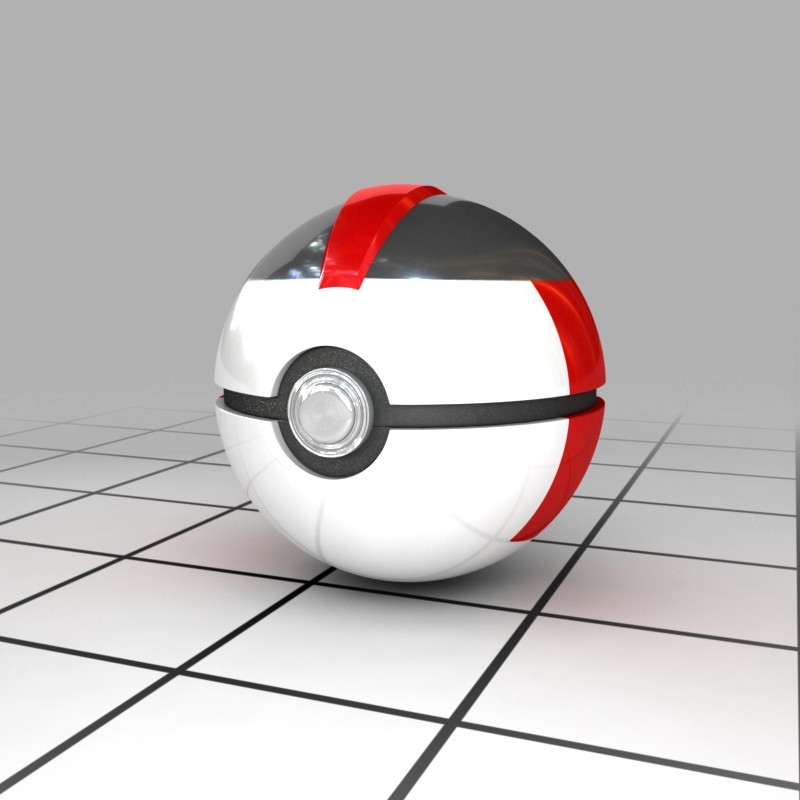
Timer Ball
The Timer Ball becomes more effective as a battle lasts longer. It does not begin with a 4× bonus: its modifier increases over successive turns until it reaches its maximum. The maximum has generally been 4× in the core series, but the number of turns needed to reach it differs between generations. It is a practical choice when a difficult capture has already taken several turns.
Nest Ball
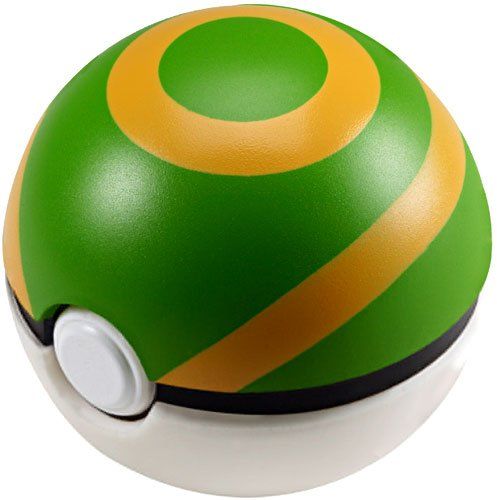
A Nest Ball works best on low-level wild Pokémon. Its bonus is calculated from the target's level and becomes smaller as that level rises; it is not based on the level of the first Pokémon in your party. The exact formula has changed across games, so the safest rule is to save Nest Balls for weaker, low-level targets.
Net Ball
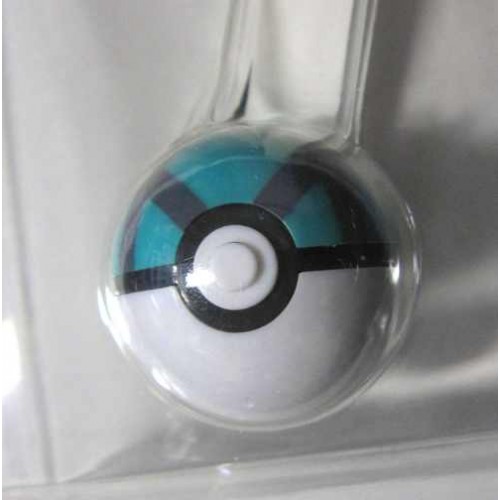
The Net Ball receives a bonus when used on a Water-type or Bug-type Pokémon. The bonus does not stack when a Pokémon has both types. Its modifier is 3× in Generations III–VI and 3.5× from Generation VII onward; against other types, it behaves like a standard Poké Ball.
Dive Ball
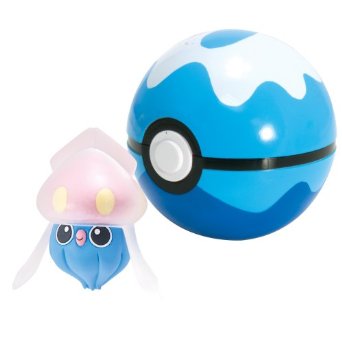
The Dive Ball's bonus condition depends on the game. In Pokémon Ruby, Sapphire and Emerald, it was designed for underwater encounters. Later titles generally apply its bonus to Pokémon encountered while surfing, fishing or otherwise on the water, depending on the game's rules. Simply standing near a lake, beach or swimming pool does not activate it.
Luxury Ball
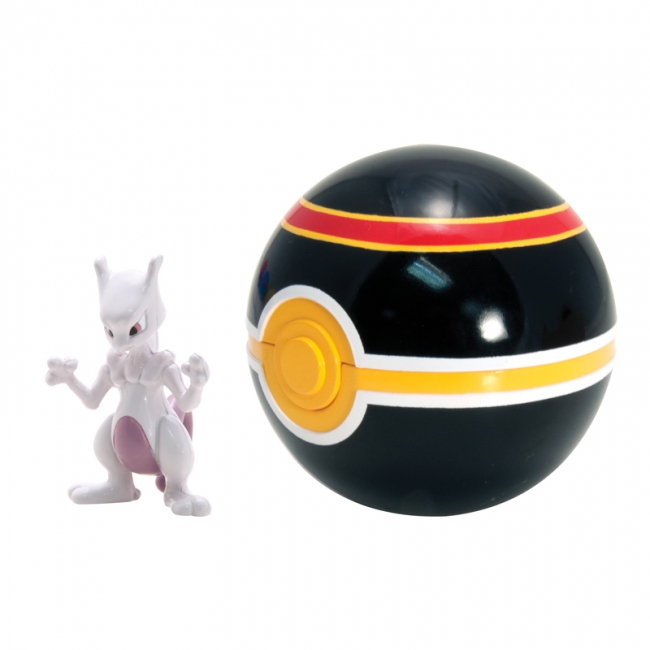
A Luxury Ball has the same 1× capture modifier as a normal Poké Ball. Its benefit comes after the capture: a Pokémon kept in a Luxury Ball gains Friendship more quickly. This can be useful for Pokémon that evolve through high Friendship or use moves whose power depends on that value.
Generation IV Poké Balls
Heal Ball
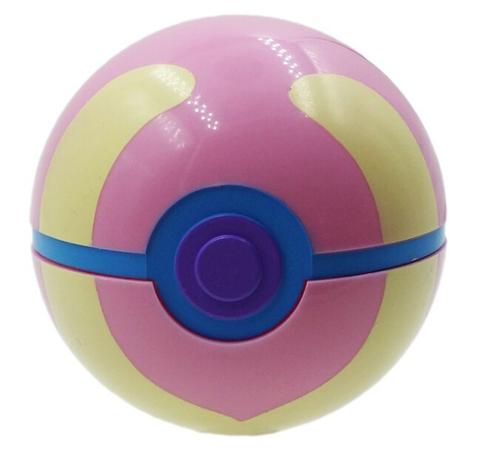
The Heal Ball has a normal 1× catch-rate modifier. When it successfully catches a Pokémon, it restores that Pokémon's HP and PP and removes status conditions. This is convenient when the new Pokémon enters your party immediately, but it does not permanently raise attack or other stats.
Quick Ball
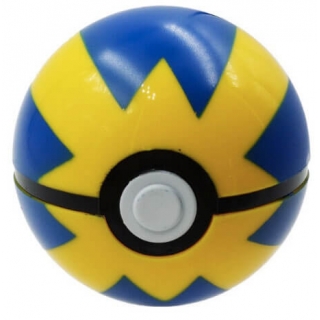
The Quick Ball is strongest when thrown on the first turn of a wild encounter. It had a 4× modifier in Generation IV and a 5× modifier in many later core-series games. After the opening turn, its advantage disappears, so it is most useful as the first action in a battle.
Dusk Ball
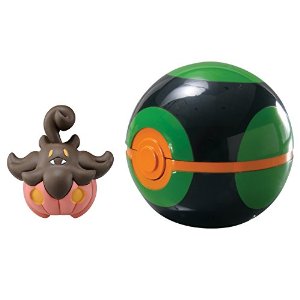
A Dusk Ball is more effective at night or in caves and other dark locations recognized by the game. Its boosted modifier was 4× in Generations IV–VI and was reduced to 3× from Generation VII onward. When the location or time condition is not met, it has the same modifier as a standard Poké Ball.
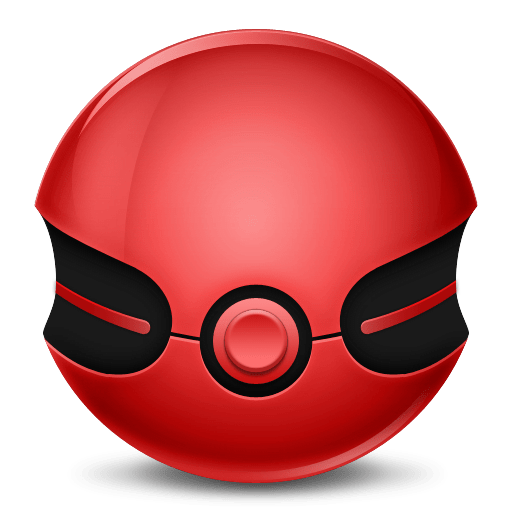
Cherish Ball
The Cherish Ball is primarily associated with Pokémon distributed through official events. Players do not normally receive it as an item they can select from the Bag, so it is better understood as a distinctive container for event Pokémon than as a ball for ordinary wild encounters.
Park Ball
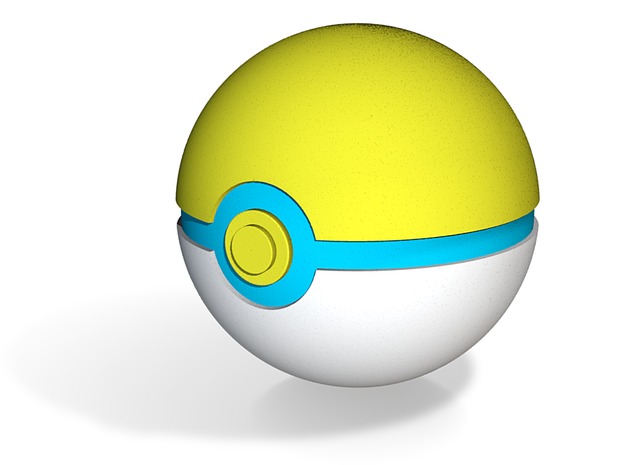
The Park Ball is used only in Pal Park, a transfer feature in the Generation IV games. It recaptures transferred Pokémon without failure during the Catching Show. Park Balls cannot be bought, sold or used in normal wild battles, so describing them as an ordinary high-multiplier ball can be misleading.
Generation V Poké Ball
Dream Ball
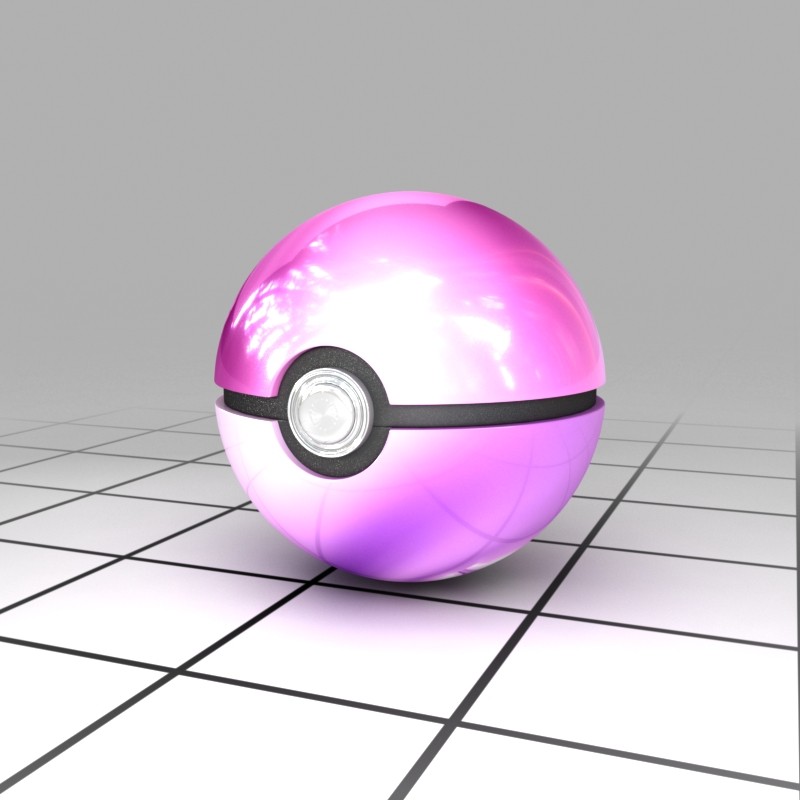
The Dream Ball was introduced in Pokémon Black and White for encounters in the Entree Forest, where players could meet Pokémon brought over through the Pokémon Dream World. In those Generation V encounters, it could catch the target without failure. When the Dream Ball returned as a normally usable item in later games, its purpose changed: it became especially effective against sleeping Pokémon, with a 4× modifier when that condition applies and a 1× modifier otherwise.
Which special Poké Ball should you use?
- First turn: Try a Quick Ball.
- Species already caught: Use a Repeat Ball.
- Long battle: Switch to a Timer Ball after several turns.
- Water- or Bug-type target: Choose a Net Ball.
- Night or cave encounter: Use a Dusk Ball.
- Low-level target: A Nest Ball may provide the best bonus.
- Sleeping target in later games: Consider a Dream Ball.
The best choice depends on the specific game, because catch-rate formulas and qualifying conditions have changed between generations. Check the rules for the title you are playing before using a rare ball.
Related Articles
 26 Types of Poké Balls Explained: Part 18 minutes read
 Pokemon Go: Complete Guide and Key Details11 minutes read
 How to Earn Pokeball in Pokemon Go for Free5 minutes read
 How to Use Items in Pokémon GO7 minutes read
 How to Catch Pokémon 'Hundred Percent Hit' in Pokémon GO6 minutes read
 25 Interesting Things About Hard Drives You May Not Know12 minutes read
Reader Comments 0
Sign in with email or Google to join the discussion.