Table of Contents
This updated guide examines Click: How to Uninstall Vipre Internet Security 2012 and organizes the essential facts, background, and practical takeaways in clear American English.
Method 1of 2:
Remove the the majority of the VIPRE software you installed
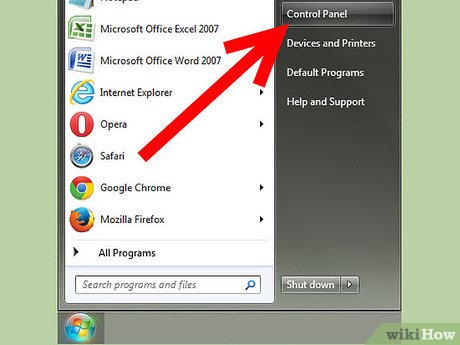 Click on Start button labeled with Microsoft Corp. Move onto the Control Panel. Or you can also type "uninstall" in the "Search programs and files", press Enter key.
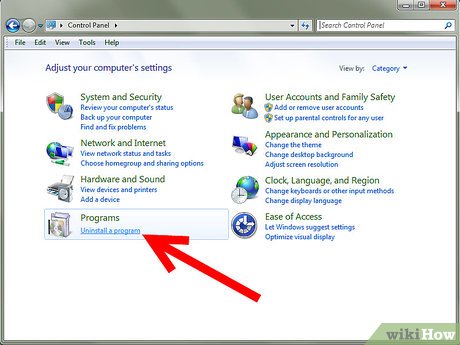 In the Control Panel, you click on "Programs - Uninstall a program" link.
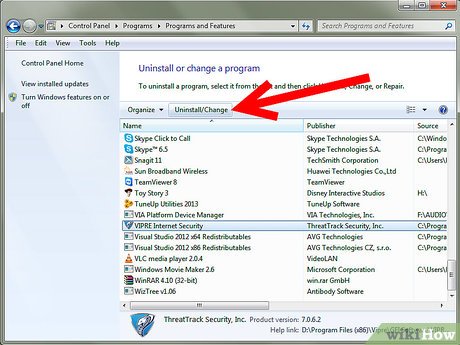 Locate the "VIPRE Internet Security" item listed in "Uninstall or change a program", you then launch the option "Uninstall/Change" for it. Or you right click on it, run the Uninstall/Change command to automatically remove it.
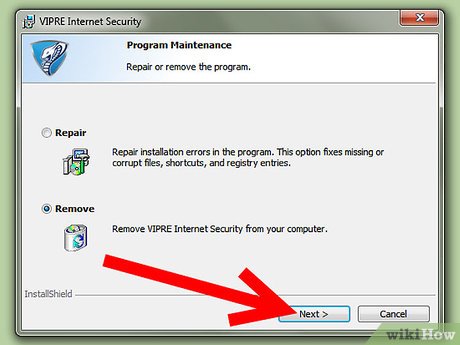 Select the option "Remove" from VIS windows. You go on clicking on Next > button.
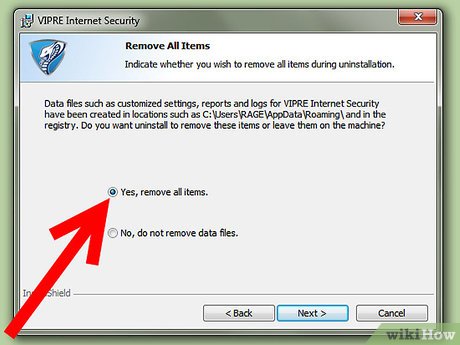 To free up the space in system drive, or other disks you have, you can then tick the option "Yes, remove all items. ", click Next >. Or you can save the VIPRE virus database and other data in your system.
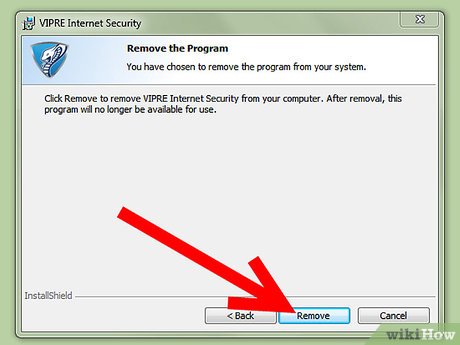 Finally, you click on Remove button to uninstall VIS 2012. Please wait for its automatic removal procedure.
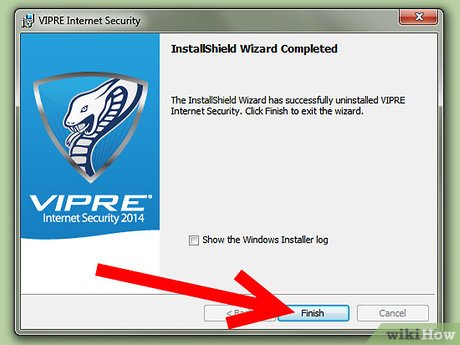 Click Finish from VIS.
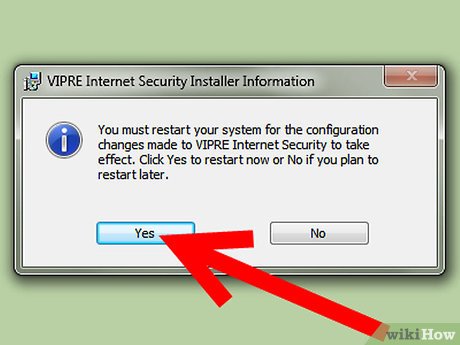 Ensure you've saved your other stuff, click on Yes from VIS Installer Information to restart your Windows 7 PC.
Method 2of 2:
Clean VIS leftover files and registry entries
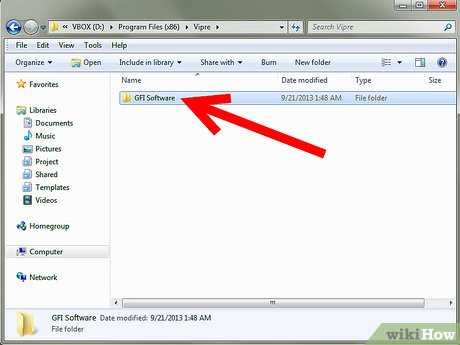 Search and delete related items in hard drive.
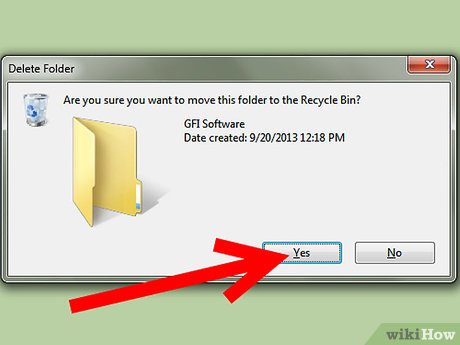 Select Yes from Delete Folder.
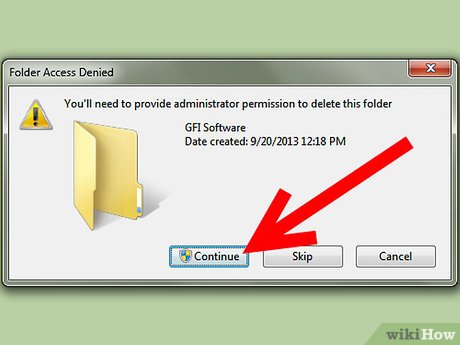 Go on clicking on "Continue" button on "Folder Access Denied".
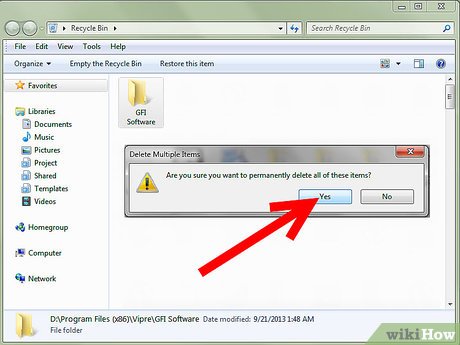 Open up Recycle Bin, click on "Empty the Recycle Bin" button on top. Select Yes from Delete Folder.
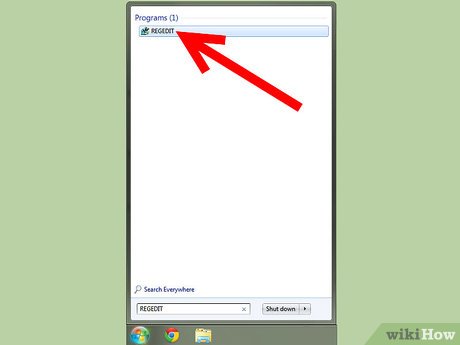 Type "regedit" in Windows Search application. Run Registry Editor listed on top of that menu.
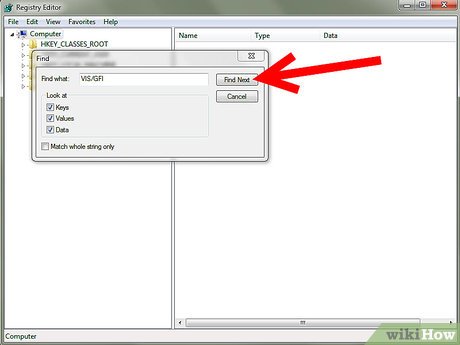 At least, you first backup the registry files via running the Export command. Search and delete VIS/GFI values left in Registry Editor.
FAQ
What is Click: How to Uninstall Vipre Internet Security 2012 about?
It provides a structured overview of click, explains the main context, and highlights practical takeaways for readers.
Why does this topic matter?
Understanding the main concepts helps readers evaluate the issue, avoid common mistakes, and make better-informed decisions.
How should readers use this information?
Use the guidance as a practical starting point, confirm details that may have changed, and follow current product, safety, or security recommendations.
Related Articles
 How to Uninstall G Data Internetsecurity 20124 minutes read
 Click: How to Uninstall Kaspersky Internet Security 20152 minutes read
 Top 10 Best Antivirus Software in Early 2018 for Windows 102 minutes read
 Ways to Uninstall Internet Explorer 8 on Windows XP // Vista // 76 minutes read
 How to Uninstall Mcafee Internet Security9 minutes read
 How to Completely Uninstall Internet Explorer: Step-by-Step Guide5 minutes read
Reader Comments 0
Sign in with email or Google to join the discussion.