Table of Contents
This updated guide examines How to Uninstall Windows 10 Store Apps and organizes the essential facts, background, and practical takeaways in clear American English.
Method 1of 3:
Using the Start Menu
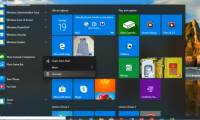
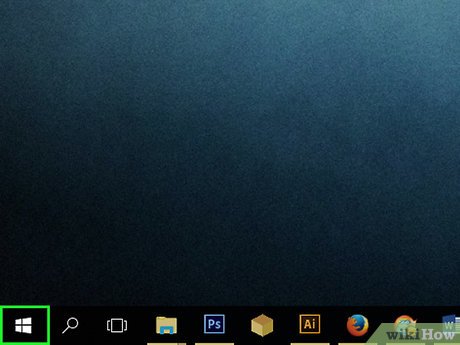 Launch the Start menu. Click the Start
 button, located at the bottom-left. You can also press the⊞Winkeyboard key.
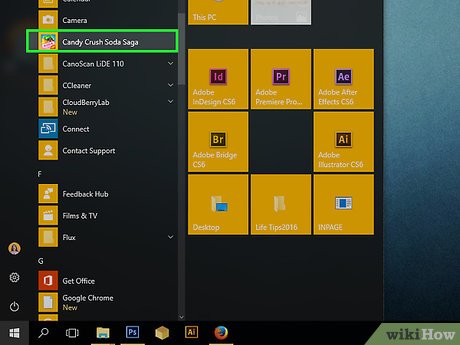 Locate and right-click the app you wish to uninstall. Right-click the app's tile or listing in the All apps list. A context menu will appear.
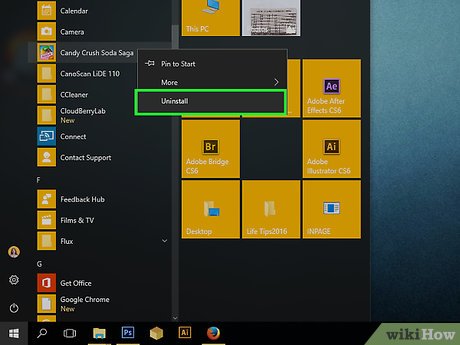 Uninstall the app. Click theUninstallfrom the context menu that appears.
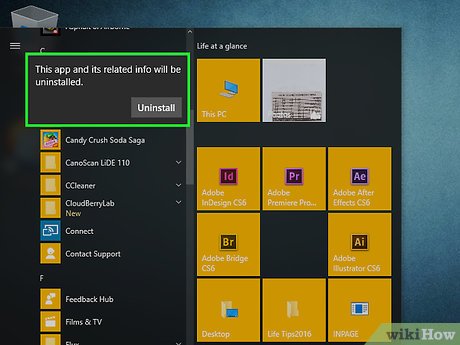 Confirm the app uninstallation. A mini confirmation dialog will appear. ClickUninstallto confirm that you really want to uninstall the app. If you've changed your mind, simply click away.
- After doing this, the app will disappear from the list and be uninstalled. This may take up to thirty seconds.
Method 2of 3:
Using the Search Feature
 Launch the search feature. Click the search bar/icon on your taskbar. It may appear as a circular Cortana icon.
 Search for the app you wish to uninstall. Type its name in.
 Right-click the app from the results. This will prompt a context menu to appear.
 Uninstall the app. Click theUninstallfrom the context menu that appears.
 Confirm the app uninstallation. A mini confirmation dialog will appear. ClickUninstallto confirm that you really want to uninstall the app. If you've changed your mind, simply click away.
- After doing this, the app will disappear from the list and be uninstalled. This may take up to thirty seconds.
Method 3of 3:
Using the Settings App
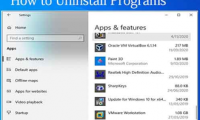
 Open the Settings app. Click the Start
 button and select the settings gear
 .
.- Go to theAppscategory. If you don't have this option, clickSysteminstead. You're probably running an older version of Windows 10.
- Locate the app you wish to uninstall. Use the search bar to find a specific app if you wish.
- You can change the order of the list by selecting a different sort order.
- You can also use the search bar above the app list to find the application.
- Click the app listing.
- Uninstall the app. Click theUninstall.
 Confirm the app uninstallation. A mini confirmation dialog will appear. ClickUninstallto confirm that you really want to uninstall the app. If you've changed your mind, simply click away.
- After doing this, the app will disappear from the list and be uninstalled. This may take up to thirty seconds.
FAQ
What is How to Uninstall Windows 10 Store Apps about?
It provides a structured overview of app, explains the main context, and highlights practical takeaways for readers.
Why does this topic matter?
Understanding the main concepts helps readers evaluate the issue, avoid common mistakes, and make better-informed decisions.
How should readers use this information?
Use the guidance as a practical starting point, confirm details that may have changed, and follow current product, safety, or security recommendations.
Related Articles
 Steps to Remove Installed Apps from Store on Windows 105 minutes read
 How to Uninstall iPhone Apps on Mac M14 minutes read
 How to Uninstall Apps on Windows 114 minutes read
 How to Install Apps from the Windows Store in Windows 83 minutes read
 How to Uninstall Apps on Windows 10 and Fix Common Errors14 minutes read
 Instructions to Uninstall Many Applications at Once on Windows4 minutes read
Reader Comments 0
Sign in with email or Google to join the discussion.