Table of Contents
This practical guide explains how to hide files and folders on a chromebook with clear steps and useful context. It also covers common requirements, potential problems, and the details that can help you get better results.
How to Hide Files and Folders on a Chromebook
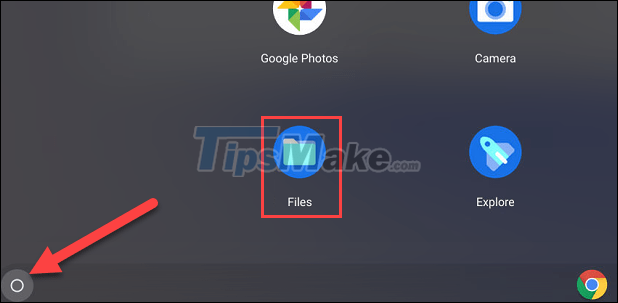
First, click the 'App Launcher' icon in the bottom left corner of the screen to see all the apps currently on your Chromebook. Here, open the 'Files' app.
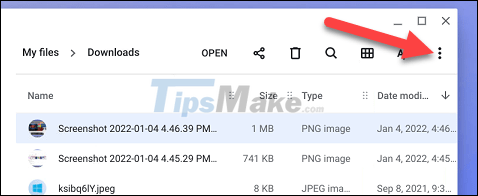
Next, find the file or folder you want to hide and click the three vertical dots icon at the top right of the window to open the options menu.
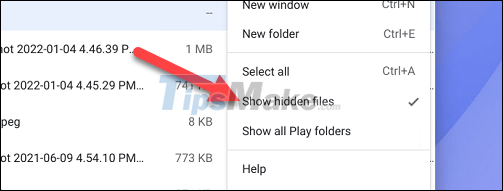
In the menu that appears, click on the 'Show Hidden Files' option.

Next, right-click on the file or folder you want to hide and select 'Rename' from the contextual menu that appears.

Now you just need to add a dot at the beginning of the name of the selected file/folder and press Enter.

Then click on the three-dot menu icon again and this time uncheck the 'Show Hidden Files' option.
Done, the files or folders that you renamed will disappear from the file list.
How to Check Hidden Files and Folders on a Chromebook
You have hidden some files and folders, so how do you see them again?
First, navigate to the folder containing the files that you've hidden and click on the three-dot menu icon in the top right.
Click on the 'Show Hidden Files' option.
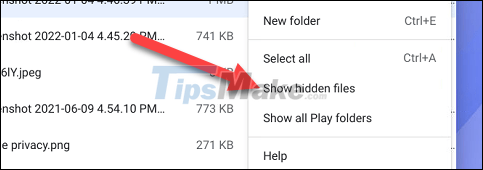
Files that you have hidden using the renaming tip above will be fully visible.
Conclusion
Understanding Chrome Os makes it easier to compare options, avoid common mistakes, and apply the information in this guide more effectively. Review the relevant requirements before making changes or choosing a solution.
FAQ
How do you hide files and folders on a chromebook?
Follow the steps in this guide in order, confirm the required settings or tools, and verify the result before making additional changes.
Is it safe to hide files and folders on a chromebook?
It is generally safe when you follow the recommended instructions, use trusted tools, and avoid changing settings you do not understand.
What should you do if the process does not work?
Recheck the requirements, restart the device or application when appropriate, and review each step for missed settings or compatibility issues.
Related Articles
 How to Pin Files or Folders to the 'Taskbar' of Your4 minutes read
 Tricks to Hide Files or Folders on Windows, Mac OS X and Linux7 minutes read
 Free Hide Folder: Hide and Protect Folders on Windows4 minutes read
 Guide to Lock, Hide and Secure Files and Folders with Hide Folders Software4 minutes read
 Instructions for Hiding Files and Folders in Windows 10 Search4 minutes read
 Hide the Windows Folder in a Professional Way3 minutes read
Reader Comments 0
Sign in with email or Google to join the discussion.