Table of Contents
This updated guide examines Create Excel Charts: How to Graph Functions in Excel and organizes the essential facts, background, and practical takeaways in clear American English.
- How to draw a map chart on Excel
- How to create 2 Excel charts on the same image
- How to draw a straight line, draw an arrow in Excel
- Create Excel charts that automatically update data with these three simple steps
Instructions for graphing functions in Excel
Step 1:
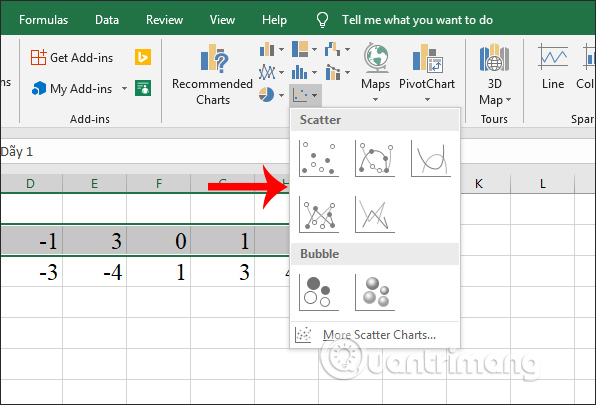
You must first enter the number sequence for the equation as shown below. Next, highlight the number 1 and click Insert to select the Scatter icon to select the graph you want to use.
Step 2:
Next we double-click on the left vertical line of numbers displayed in the graph.
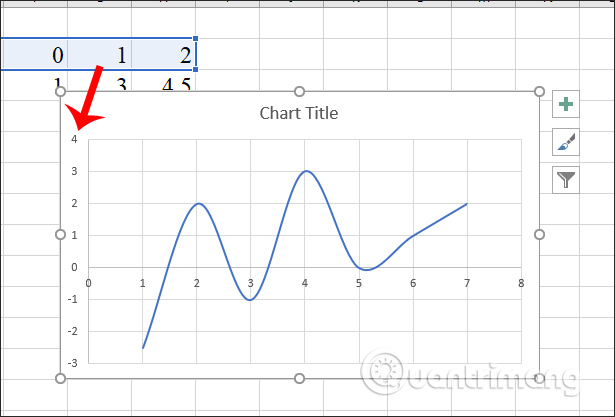
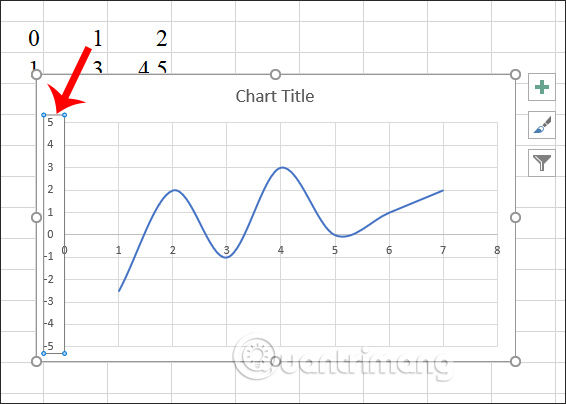
Display the interface on the right so that the user proceeds to adjust the value of the graph. At the Bounds section you edit the min and max values to -5.0 and 5. The part to enter the min value, max will depend on the maximum and minimum values of the series 1 and 2 in the table.

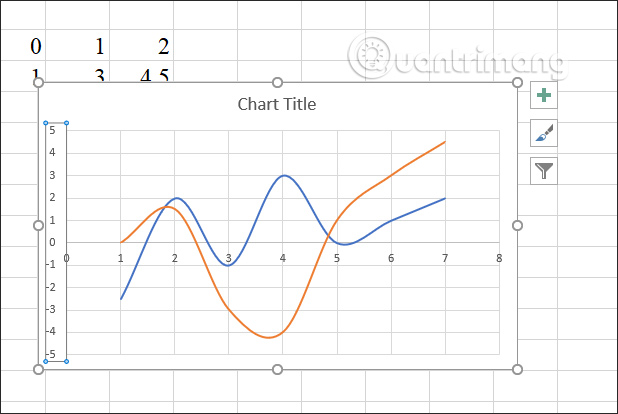
Then the graph will change the values at the left vertical number sequence as shown.
Step 3:
In the function graph, users click on the funnel-shaped icon and display the next interface, click on Select Data .
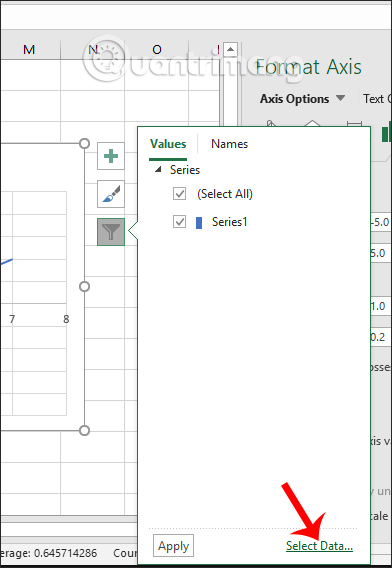
In the Select Data Source interface, click the Add button to add a value to the chart.

Step 4:
In the new interface in the Series Y value , users use the mouse to highlight the second number in the table to enter values for the Y series. Click OK to add the value.

Step 5:
As a result, we have a graph of functions drawn on Excel as shown below.
Step 6:
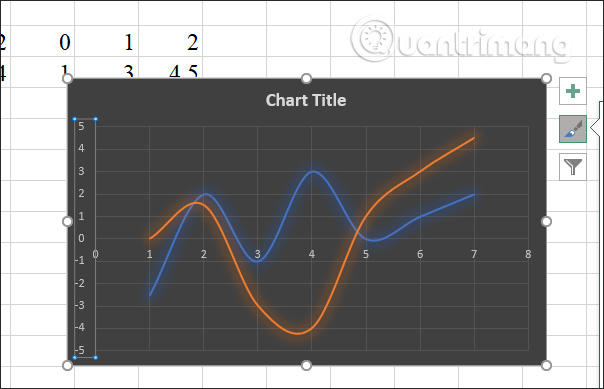
If the user wants to change the chart display type again, in the Chart Styles section we select the chart type that we want to use.

The chart type will be changed soon.
To change the color for each value in the function chart, users click on the brush icon , click on Color and then select another color set to display for the graph in the graph.
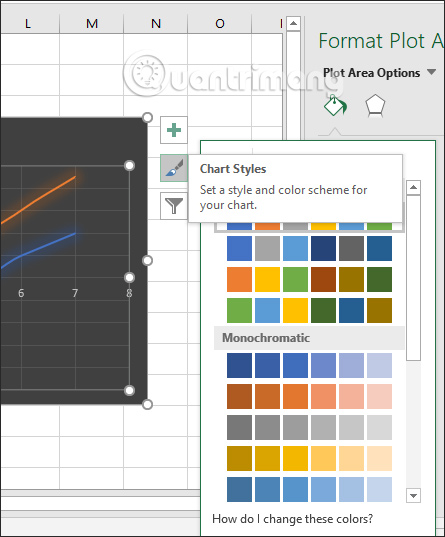
Soon the function graph has been changed to a new color.

The above is a step by step graphing functions in Excel with basic and simple graphs. After the drawing is completed, we continue to follow the steps to change the display type, enter the graph name as when creating a normal chart in Excel.
I wish you all success!
FAQ
What is Create Excel Charts: How to Graph Functions in Excel about?
It provides a structured overview of create excel charts, explains the main context, and highlights practical takeaways for readers.
Why does this topic matter?
Understanding the main concepts helps readers evaluate the issue, avoid common mistakes, and make better-informed decisions.
How should readers use this information?
Use the guidance as a practical starting point, confirm details that may have changed, and follow current product, safety, or security recommendations.
Related Articles
 How to Graph Trigonometric Functions with Excel5 minutes read
 How to Graph in Excel: Step-by-Step Guide5 minutes read
 Summary of Trigonometric Functions in Excel6 minutes read
 Detailed How to Graph in Excel3 minutes read
 How to Fix the SUM Function Doesn't Add up in Excel3 minutes read
 How to Make a Line Graph in Microsoft Excel5 minutes read
Reader Comments 0
Sign in with email or Google to join the discussion.