Table of Contents
This updated guide examines Drive: How to Defragment a Windows Xp Computer and organizes the essential facts, background, and practical takeaways in clear American English.
Method 1of 2:
Defragment in Windows XP
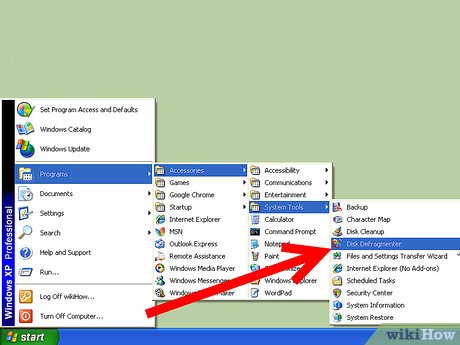 Open the Disk Defragmenter utility. You can find this by clicking the Start menu, selecting All Programs, then Accessories, then System Tools. Select Disk Defragmenter from the list. You will need to have administrator access to run the Disk Defragment utility.
- You can also open the Disk Defragmenter utility by clicking Start then Search. Type 'disk defragmenter' into the field and click Search.
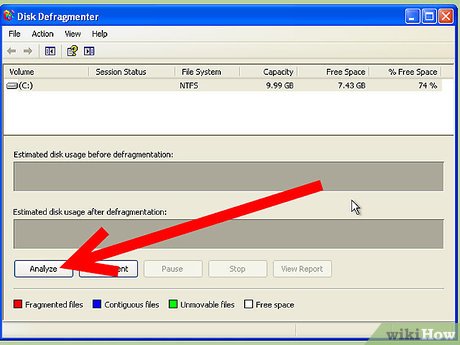 Select your drive. There will be a list of drives that are attached to your computer. Select the drive that you would like to defragment. This is typically the C: or D: drive. Click the Analyze button to see if the drive needs to be defragmented.
- You can compare the graphs below the list of drives to see how defragmenting the drive will affect its space allocation. If you see a lot of red lines, that means you have a significant amount of file fragmentation.
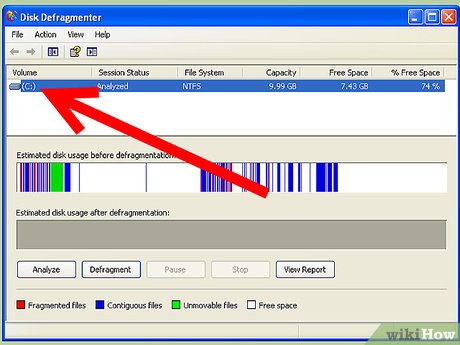
- You must have at least 15% free space to defragment the drive. This is because files will be moved around to optimize the drive, and the system needs a place to temporarily put files that are being reorganized.
- You can compare the graphs below the list of drives to see how defragmenting the drive will affect its space allocation. If you see a lot of red lines, that means you have a significant amount of file fragmentation.
 Defragment the drive. Select the drive and click Defragment. Confirm that you wish to start the process in the pop-up window. After the process is complete, you will receive a report in a new window. This report will tell you which files were moved, and which couldn't be moved, as well as your new free space readings.
- Avoid using your computer during the disk defragmentation process. If you alter any files, the defragmenter may have to start over.
- You can watch the process by following the status bar at the bottom of the window. This will show you how far the process is, as well as what is currently being moved. The 'after defragmentation' graph will adjust during the process as well.
Method 2of 2:
Defragment in the Command Line
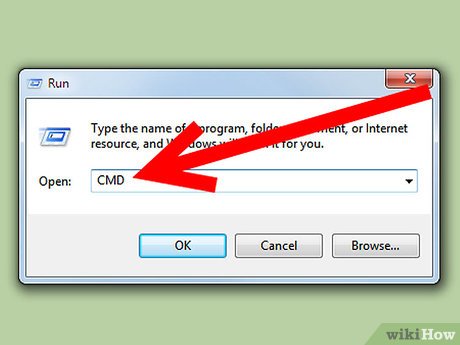 Open the command line. Click the Start menu and Select Run. In the new window, type 'cmd' into the field and press Enter. This will open the command line interface.
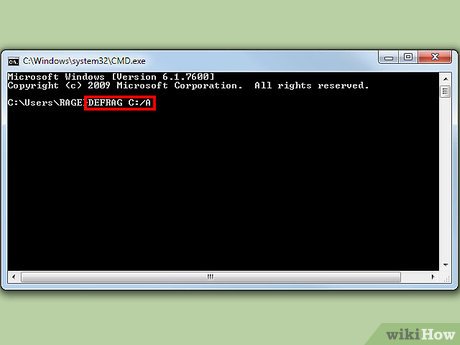 Analyze the drive. To see if a drive needs to be defragmented, enter the following command into the command line. Replace the 'C' for whichever drive you would like to analyze: defrag C: /a
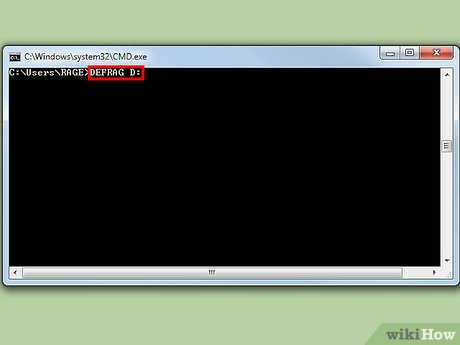 Defragment the drive. To start the defragmentation process, enter the following command into the command line. Replace the 'C': for whichever drive you would like to defragment: defrag C:
- You can force the defragmentation by adding the parameter /f to the end of the defrag command.
- As the defrag process is working, the system will display a blinking cursor. After the process is complete, a report will be displayed. You can write the report to a text file by starting the defrag process with the following command: defrag C: /v >filename.txt..
- You can interrupt the defrag process by hitting Ctrl+C.
FAQ
What is Drive: How to Defragment a Windows Xp Computer about?
It provides a structured overview of drive, explains the main context, and highlights practical takeaways for readers.
Why does this topic matter?
Understanding the main concepts helps readers evaluate the issue, avoid common mistakes, and make better-informed decisions.
How should readers use this information?
Use the guidance as a practical starting point, confirm details that may have changed, and follow current product, safety, or security recommendations.
Related Articles
 When and How to Defragment Hard Drives on Windows 10?4 minutes read
 Added the Option to Defragment to the Menu When Right-clicking on7 minutes read
 How to Defragment a Disk on a Windows Computer10 minutes read
 Why Doesn't Mac Hard Drive Need to Defragment?4 minutes read
 Computer Defragmentation: Do You Really Need to 'Defrag'2 minutes read
 How to Defragment the Windows 10 Hard Drive4 minutes read
Reader Comments 0
Sign in with email or Google to join the discussion.