Table of Contents
This updated guide examines How to Defrag a Computer and organizes the essential facts, background, and practical takeaways in clear American English.
Method 1
Windows 10 and 8
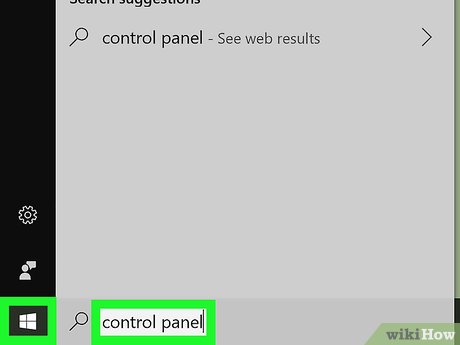 Open the Control Panel. The steps are slightly different depending on your operating system:
- Windows 10: Click the circle or magnifying glass to the right of the Start menu to open the Search bar, typecontrol panel, then click Control Panel .
- Windows 8: Hover the mouse over the bottom-right corner of the screen to bring up the menu, click Settings, and then click Control Panel .
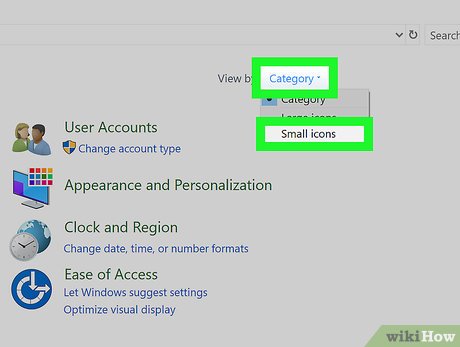 SelectSmall iconsfrom the 'View by' menu. It's near the top-right corner of the window.
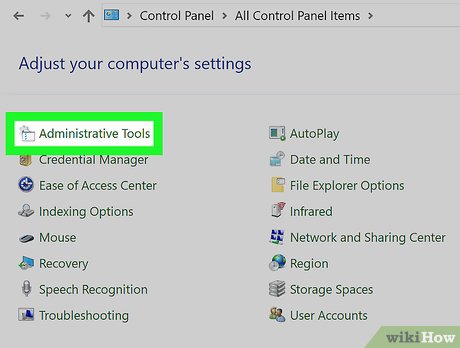 ClickAdministrative Tools. A list of admin tools will appear.
 Double-clickDefragment and Optimize Drives. It's in the main (right) panel. A list of drives on your computer will appear.
- If your hard drive is set up to defragment automatically, you'll see the word 'On' under 'Scheduled optimization' at the bottom of the window. You can change the schedule by clicking Change settings .
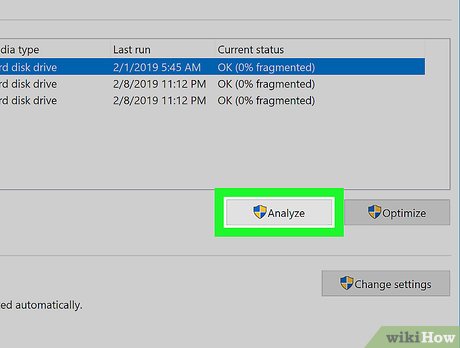 Select your drive and clickAnalyze. Windows will now check to see if your drive needs to be defragmented.
- If you have an SSD hard drive (solid state), this button will not be available. This is because it's not necessary to defragment your SSD drive.
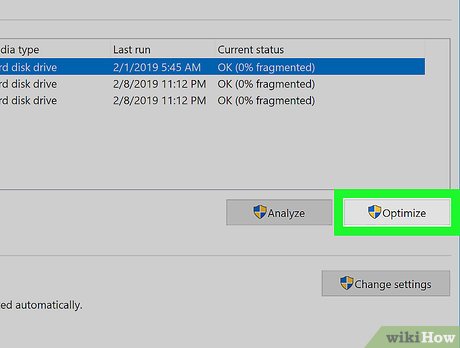 Select your drive and clickOptimize. If your hard drive needs to be defragmented, click this button to begin the process.
- The defragmentation process can take anywhere from several minutes to several hours to complete depending on the state of your disk drive.[1]XResearch source
Method 2
Windows 7 and Vista
 Click the Start menu and selectAll Programs.
 Click theAccessoriesmenu and selectSystem Tools.
 ClickDisk Defragmenter.
 Highlight the disk drive you to defragment. For example, if you want your computer's main hard drive defragmented, then highlight "(C:)."
 ClickAnalyze Disk. It's near the bottom of the Window. Your computer will analyze the disk drive to determine whether defragmenting the drive is recommended.
 ClickDefragment diskif your computer instructs you to defragment. The defrag process can take anywhere from several minutes to several hours to complete depending on the state of your disk drive.
 ClickConfigure schedulewhen Disk Defragmenter finishes. It's above the list of hard drives.
 Place a check mark next to "Run on a schedule. "
 Set a defragment schedule and clickOK. Choose the frequency at which you would like Windows to automatically defragment your hard drive.
 Select your hard drive and clickOK. Your computer is now set to automatically defragment your hard drives on a schedule.
Method 3
Windows XP
 Click the Start menu and selectMy Computer.
 Right-click your hard drive and selectProperties.
 Click theToolstab. It's at the top of the window.
 ClickDefragment Now. It's in the 'Defragmentation' group. This opens the Disk Defragmenter window.
 Select the drive you want to defragment and clickAnalyze. Your computer will analyze that disk drive's files and folders to determine whether defragmentation is necessary.
 ClickDefragmentif recommended by the tool. The drive will now be defragmented. This process may take several minutes to several hours.
- If you see a message that says the drive does not need to be defragmented, there's no need to take any action.
 ClickClosewhen you're finished defragmenting the hard drive.
FAQ
What is How to Defrag a Computer about?
It provides a structured overview of click, explains the main context, and highlights practical takeaways for readers.
Why does this topic matter?
Understanding the main concepts helps readers evaluate the issue, avoid common mistakes, and make better-informed decisions.
How should readers use this information?
Use the guidance as a practical starting point, confirm details that may have changed, and follow current product, safety, or security recommendations.
Related Articles
 Defrag Command in Windows: What You Need to Know12 minutes read
 Disk: How to Defrag Windows 73 minutes read
 Download Smart Defrag Pro 5, the $ 9.99 Price Defragmentation App4 minutes read
 How to Use Smart Defrag to Defragment Hard Drives Effectively6 minutes read
 How to Install and Use Iobit Smart Defrag to Defragment Your Hard Drive4 minutes read
 How to Use Auslogics Disk Defrag to Defragment Your Hard Drive6 minutes read
Reader Comments 0
Sign in with email or Google to join the discussion.