Table of Contents
This guide explains how to bring the Calendar and Clock to the Windows 10 Desktop Screen, with clear steps, practical tips, and important checks before you begin.

1. Use Widgets HD
Link: https://www. microsoft. com/en-us/p/widgets-hd/9wzdncrdqfbt? activetab=pivot%3Aoverviewtab
Widgets HD is a completely free software and is released on Windows Store so users can use it.
Step 1: You proceed to access the link and install the software on your computer by clicking Get .

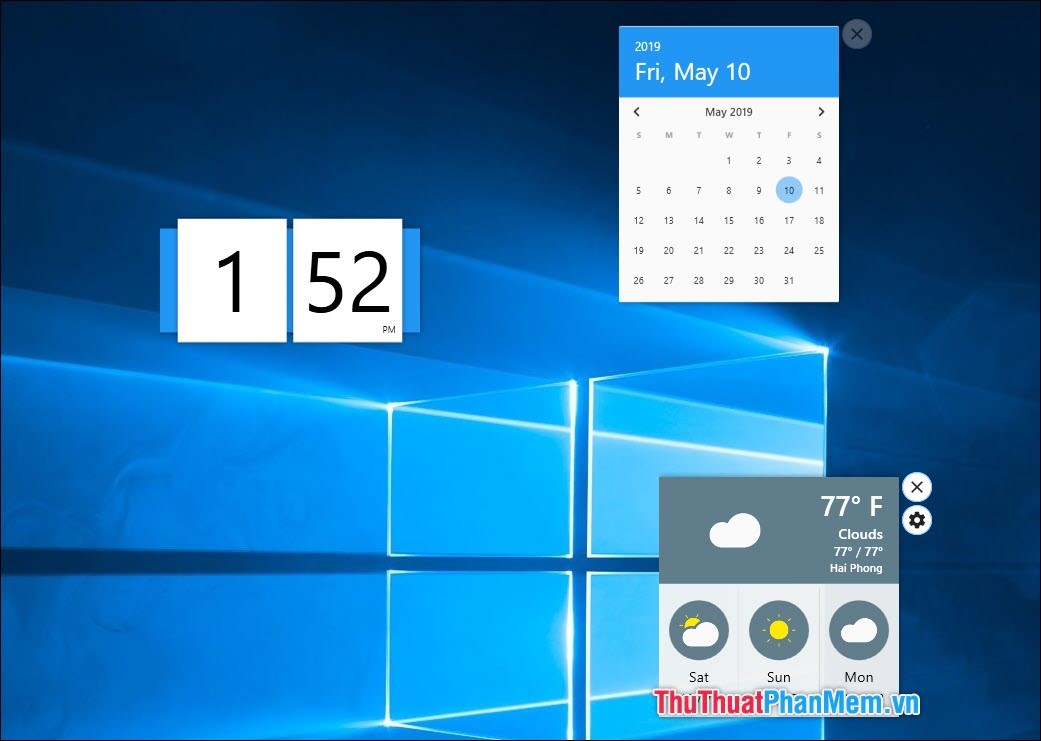
Step 2: After installation is complete, you click on the yellow boxes in the Widgets HD window to display them on the screen.

Step 3: When the clock and calendar windows are displayed on the screen, you can freely move them to the best advantage.
2. Use 8GadgetPack
If you've ever used Windows 7, 8GadgetPack will help you bring those features from Windows 7 to Windows 10.
Download link: 8gadgetpack. net
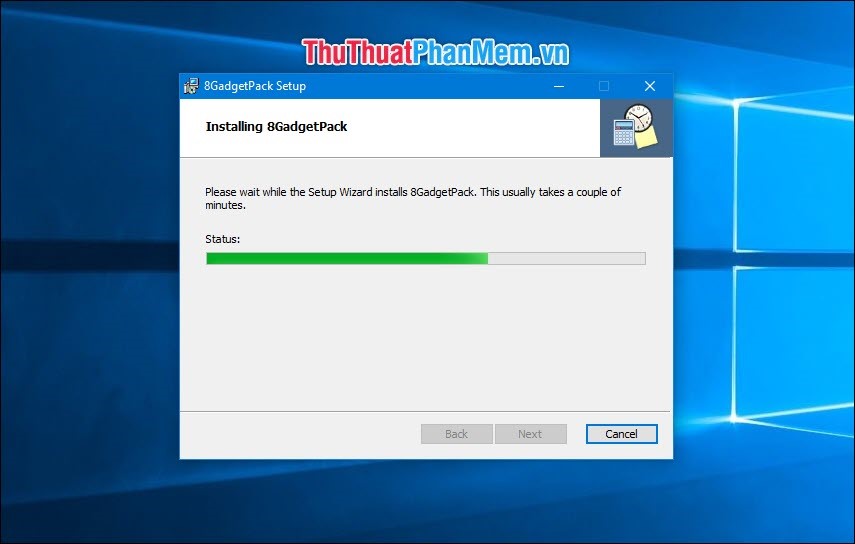
Step 1: You proceed to download the software to your computer and install to use.
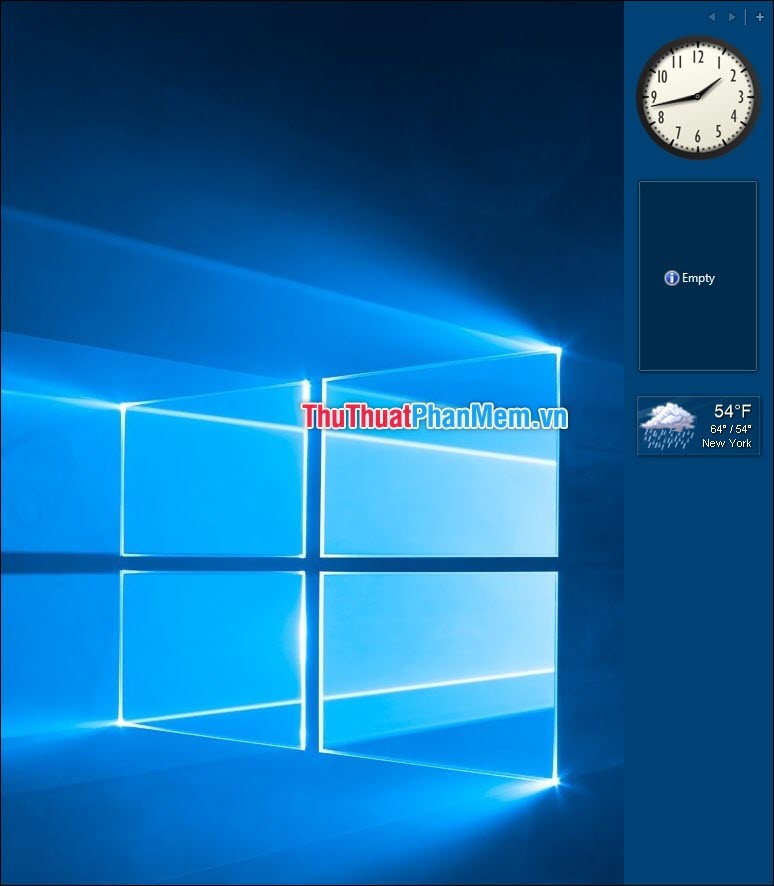
Step 2: After the installation is complete, your screen will display the clock and calendar in the right corner of the screen.
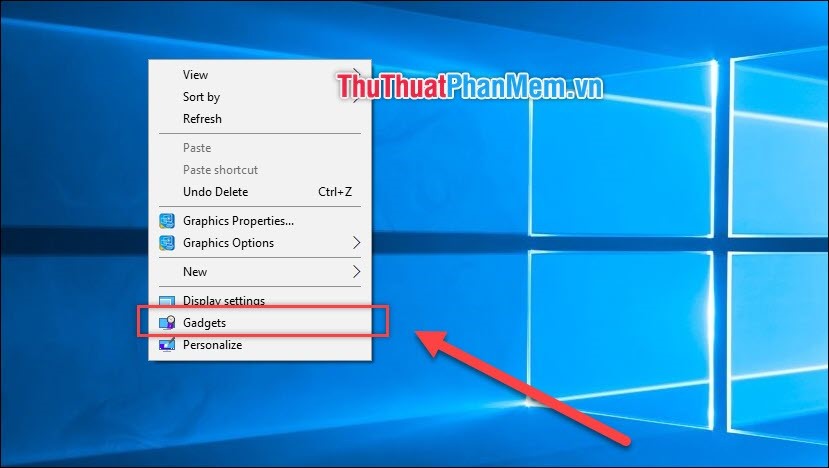
Step 3: To refine the display and layout you do the following: right click and select Gadgets .
Step 4: Then you click on the icons that you want to use. Here you can add different displays on the screen.

Finally, we get a product like this.
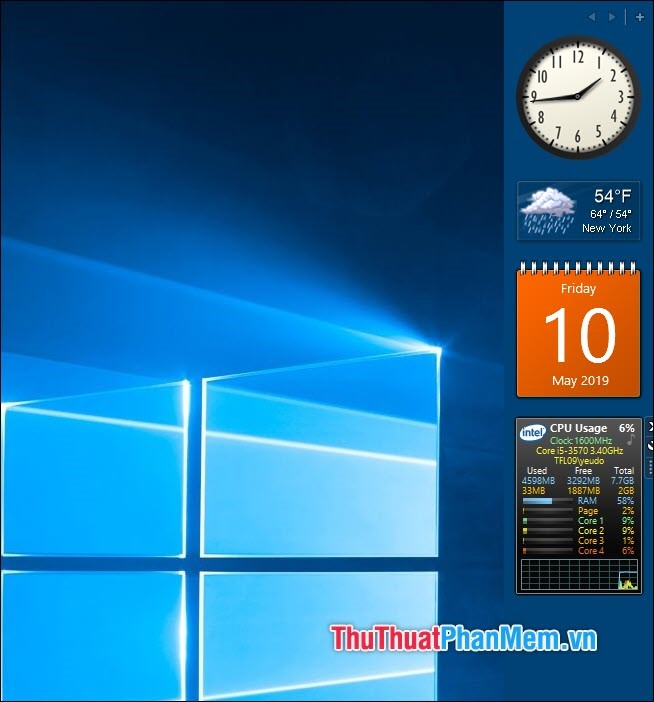
Thus, Software Tips guide you how to put the calendar and clock on the Windows 10 Desktop screen fastest and simplest. With these methods you can use on many different versions of Windows 10. Good luck!
FAQ
What should I know about Bring the Calendar and Clock to the Windows 10 Desktop Screen?
Focus on the key features, requirements, limitations, and practical use cases explained in this guide.
How do I get the best results with Bring the Calendar and Clock to the Windows 10 Desktop Screen?
Follow the recommended steps, use current software or information, confirm compatibility, and review settings before major changes.
Are there any risks or limitations?
Potential limitations depend on compatibility, data quality, cost, privacy, support, and how the product or method is used.
Related Articles
 Sense Desktop: the Best Clock for Windows 10 Desktop3 minutes read
 How to Bring Applications to the Computer Screen Windows 117 minutes read
 How to Activate Calendar and Clock Hidden on Windows 10 Build3 minutes read
 How to Get a Calendar on Your Desktop10 minutes read
 How to Display Clock on Windows 11 Screen3 minutes read
 How to Bring This PC to Desktop Windows 113 minutes read
Reader Comments 0
Sign in with email or Google to join the discussion.