Table of Contents
This guide provides a practical overview of Delete Junk Files and Clean up Your Windows 10 Computer, including its main features, benefits, limitations, and important considerations.
1. Use the Disk Cleanup feature available in Windows 10
First, right-click on the Windows installation drive, usually drive C and select Properties , then in the new window select Disk Cleanup . Next in the new window select Clean up system files.

Here in the File to delete section, please tick all the items with capacity, which are junk files to be deleted. Here we can see there are files up to 5Gb in size as shown below.
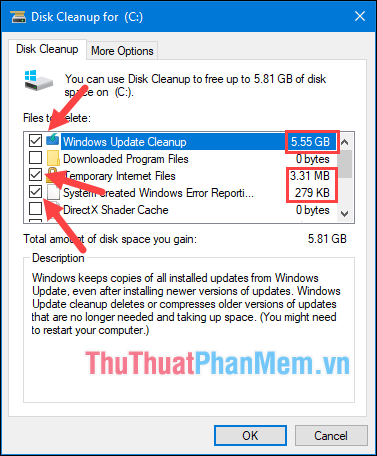
You click Ok then click Delete files to start deleting junk files. After erasing we have freed up nearly 6Gb for the hard drive, a number not small.
2. Delete the windows 10 update files
On Windows 10, they often receive updates or patches from Microsoft, regular updates will help your windows computer to increase safety as well as upgrade new features. However, after each update, the downloaded update files will not disappear, but they will still be stored in the computer. If the files are not deleted for a long time, these update files will take up quite a large amount.
To delete these upate files, open the following folder:
C: WindowsSoftwareDistributionDownload
In the Download folder are all the updated files that have been used, select all these files and delete them from your computer.
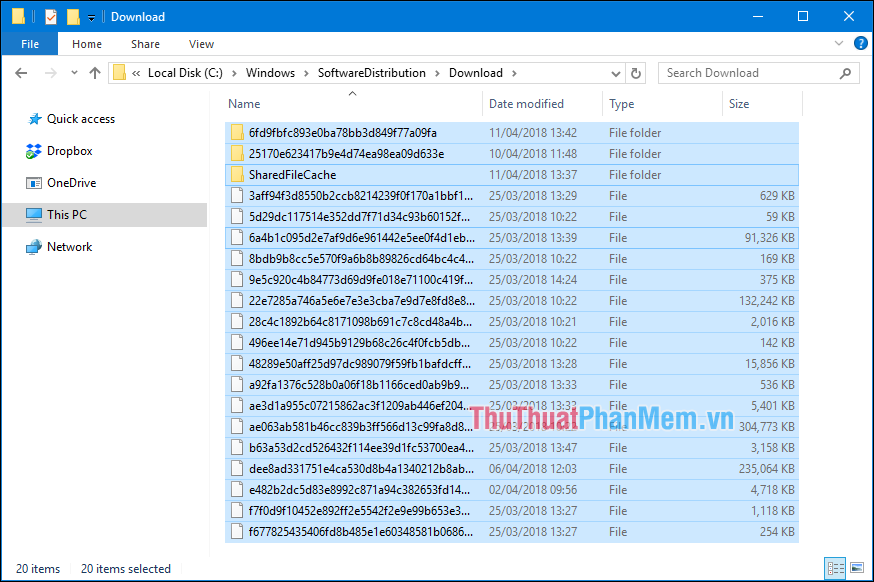
During the delete process, if a message appears, select Continue .
3. Delete temporary files, downloaded files
But temporary files include junk files and downloaded files, for Download files, you should check to see which files are important, they should be moved to other places, and with junk files, it is best to delete them all.
To delete temporary files, go to Settings and select System

Next, select Storage and select This PC

Here you will see different classified files in which Temporary files section is where temporary files and Download files are located.
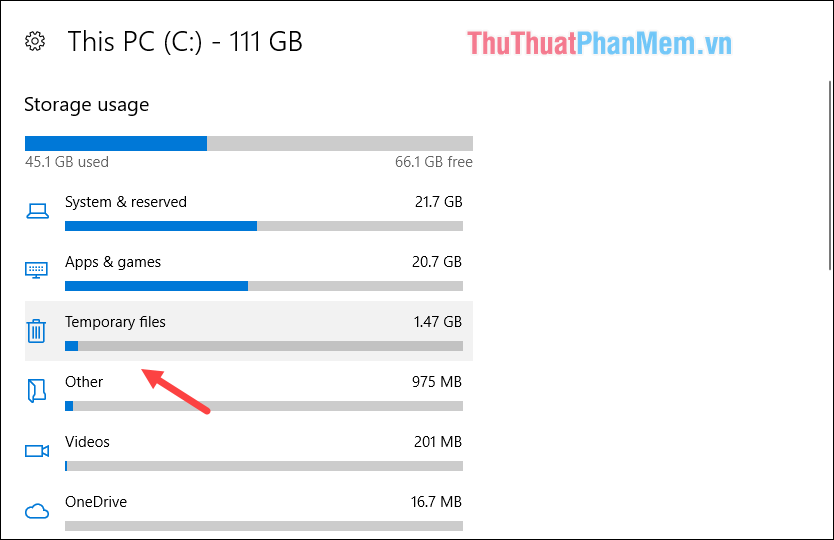
You select the item Temporary files then in the new window you select all items to delete and click Remove files. So after this step we continue to free up 1.5Gb more memory for the computer.

4. Turn off Hibernate if not used.
Basically, the Hibernate feature will allow all data on RAM to be written to the hard drive before shutting down. With this feature, when the computer is restarted, all data will be loaded back into memory so users can continue the unfinished work before turning off the computer quickly. However, many people often use the Sleep feature instead of Hibernate, so if you do not use this feature, you can turn it off and free up 4-8Gb of memory, because when turned off this feature, temporary files created by this feature is also deleted.
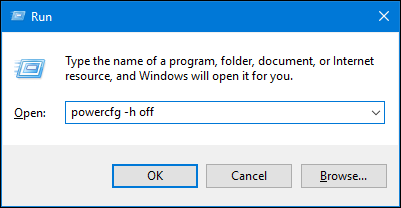
To turn off Hibernate, press Windows + R to open the Run dialog box, then type: powercfg -h off and press Enter.
5. Clear the Cache memory
The cache generated is meant to speed up user operations. However, after a long period of storage, the cache may save unnecessary processes. So delete this memory to improve the performance of your computer.
To clear the cache, press Windows + R to open the Run dialog box, enter the Prefetch command and press Enter.
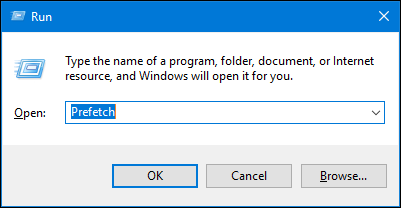
Prefetch window appears, delete all the files in it to free memory:

On Thuthuatphanmem. vn have instructed you on a number of methods to thoroughly clean junk files in Windows 10, thereby improving the performance of your computer. Hope you will find the article useful. Good luck!
FAQ
What should I know about Delete Junk Files and Clean up Your Windows 10 Computer?
Focus on the key features, requirements, limitations, and practical use cases explained in this guide.
How do I get the best results with Delete Junk Files and Clean up Your Windows 10 Computer?
Follow the recommended steps, use current software or information, confirm compatibility, and review settings before major changes.
Are there any risks or limitations?
Potential limitations depend on compatibility, data quality, cost, privacy, support, and how the product or method is used.
Related Articles
 Instructions to Delete Junk Files and Clean up Your Windows 7 Computer3 minutes read
 How to Delete Junk Files on the Computer, Clean the Computer10 minutes read
 Automatically Frees Free Space on Windows 10 After 30 Days5 minutes read
 How to Clean Windows in 10 Minutes That Anyone Can Do8 minutes read
 Steps to Delete Junk Files on Windows 10 Thoroughly and7 minutes read
 10 Tasks to Clean up Your Windows Computer Should Not Be Ignored9 minutes read
Reader Comments 0
Sign in with email or Google to join the discussion.