Table of Contents
This guide explains how to display File Extensions (File Extensions) in Windows 10, with clear steps, practical tips, and important checks before you begin.
Method 1:
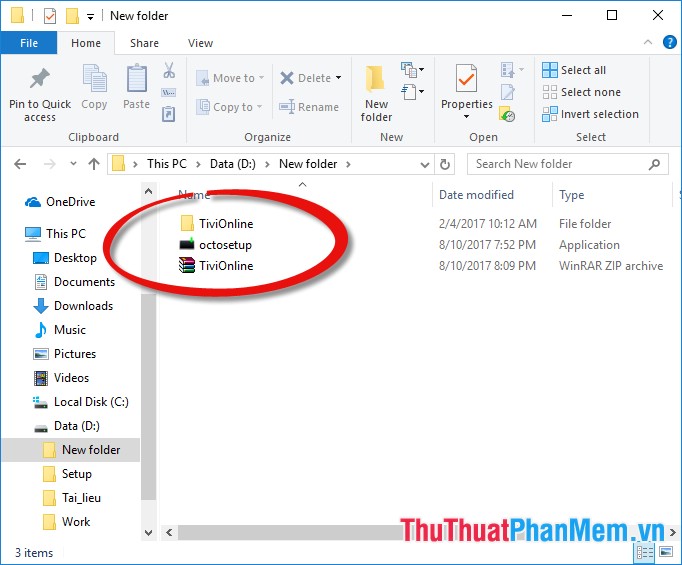
- For example, the image below, the data file does not display the file format:
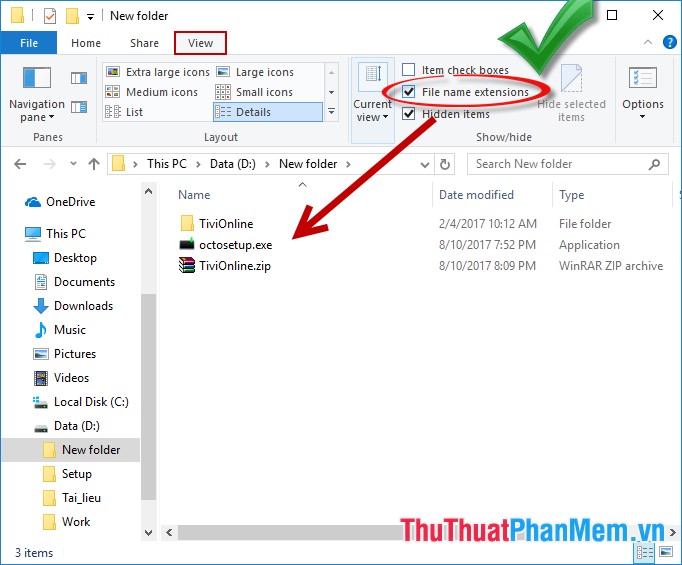
- You just need to go to the View tab -> in the Show / Hide section, select the File name Extensions section -> the data file displays the file extension, very useful for users to use:
Method 2:
- Go to File -> Change folder and search option:

- Folder Option dialog box appears, select View tab -> move to Hide Extensions for know file types -> OK:

- After clicking OK, the file format is displayed:

So it will not be difficult for you to choose the software to open the data file.
The above is a detailed guide on how to display file extensions (file extensions) in Window 10. I wish you success!
FAQ
What should I know about Display File Extensions (File Extensions) in Windows 10?
Focus on the key features, requirements, limitations, and practical use cases explained in this guide.
How do I get the best results with Display File Extensions (File Extensions) in Windows 10?
Follow the recommended steps, use current software or information, confirm compatibility, and review settings before major changes.
Are there any risks or limitations?
Potential limitations depend on compatibility, data quality, cost, privacy, support, and how the product or method is used.
Related Articles
 How to Displaying File Extensions on Windows for System Security3 minutes read
 How to Set up Full File Extensions Display on a Mac4 minutes read
 Display File Extensions (File Extensions) in Windows2 minutes read
 How to Display File Extensions and View File Extensions on8 minutes read
 List of Some Types of Files That Are Potentially Dangerous on9 minutes read
 How to Hide Files, Show Hidden Files, View Hidden Folders and5 minutes read
Reader Comments 0
Sign in with email or Google to join the discussion.