Table of Contents
This updated guide examines Custom Android Lock Screen Tips You Shouldn't Overlook and organizes the essential facts, background, and practical takeaways in clear American English.
The lock screen is the entrance of the phone. In its simplest form, you can access notifications, take actions, and more. Here are some ways to customize the lock screen to personalize your phone.
1. Change the lock screen type
The main purpose of the lock screen is to provide security for the phone by locking it. All phones offer three types of keys: pattern, PIN and password. Select the type of lock screen you want. Newer phones also offer fingerprint authentication and facial recognition.
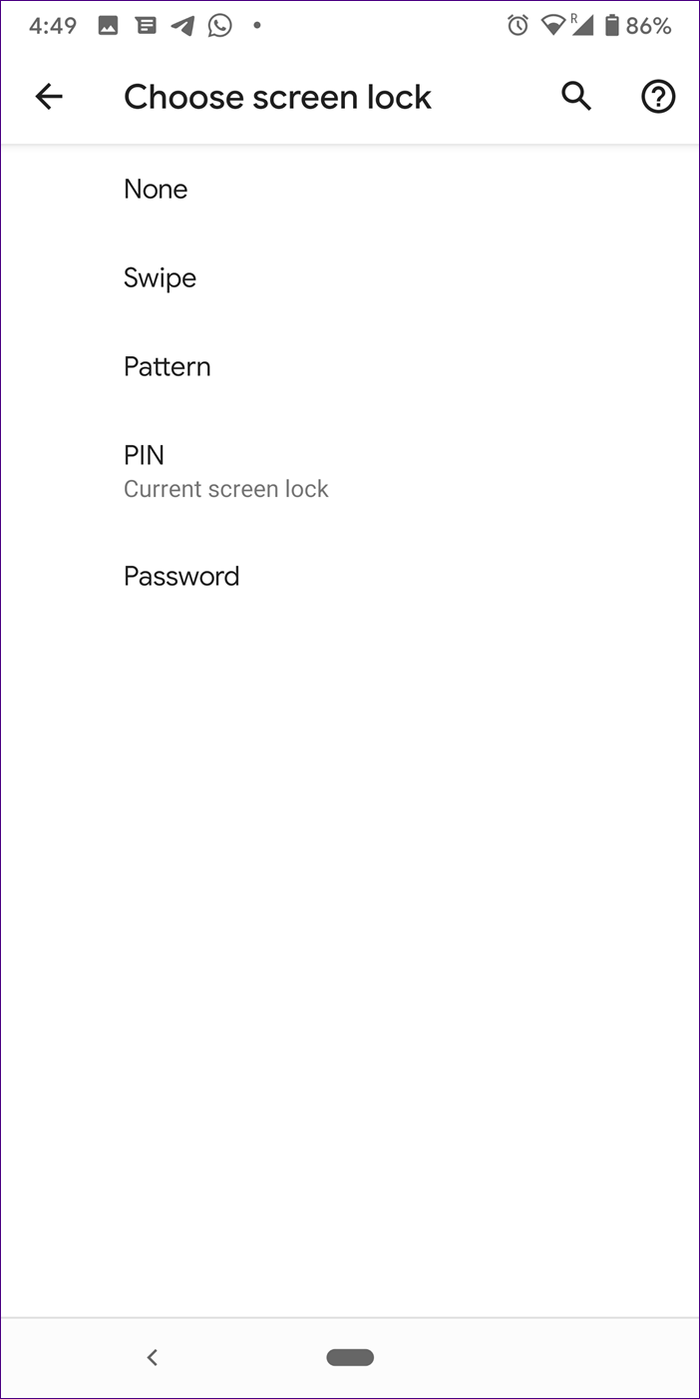
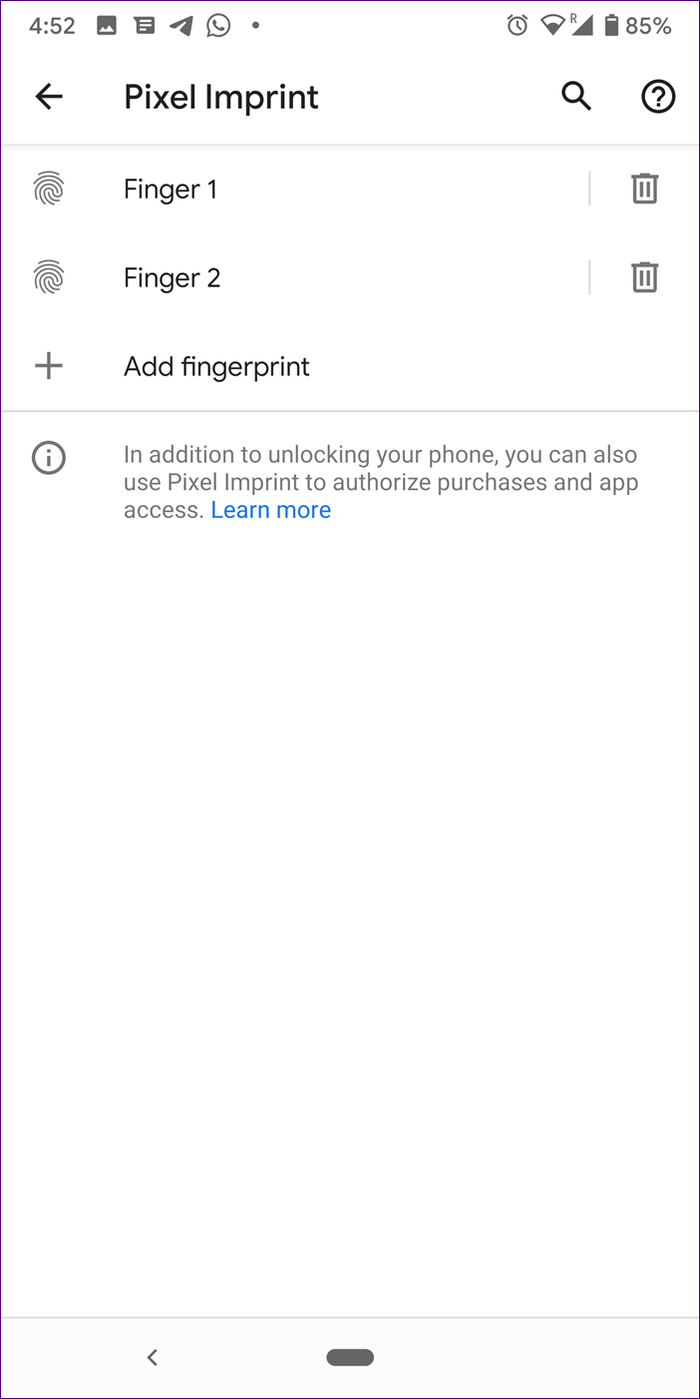
To change the lock type, go to Settings> Security> Screen lock , change the screen lock type.
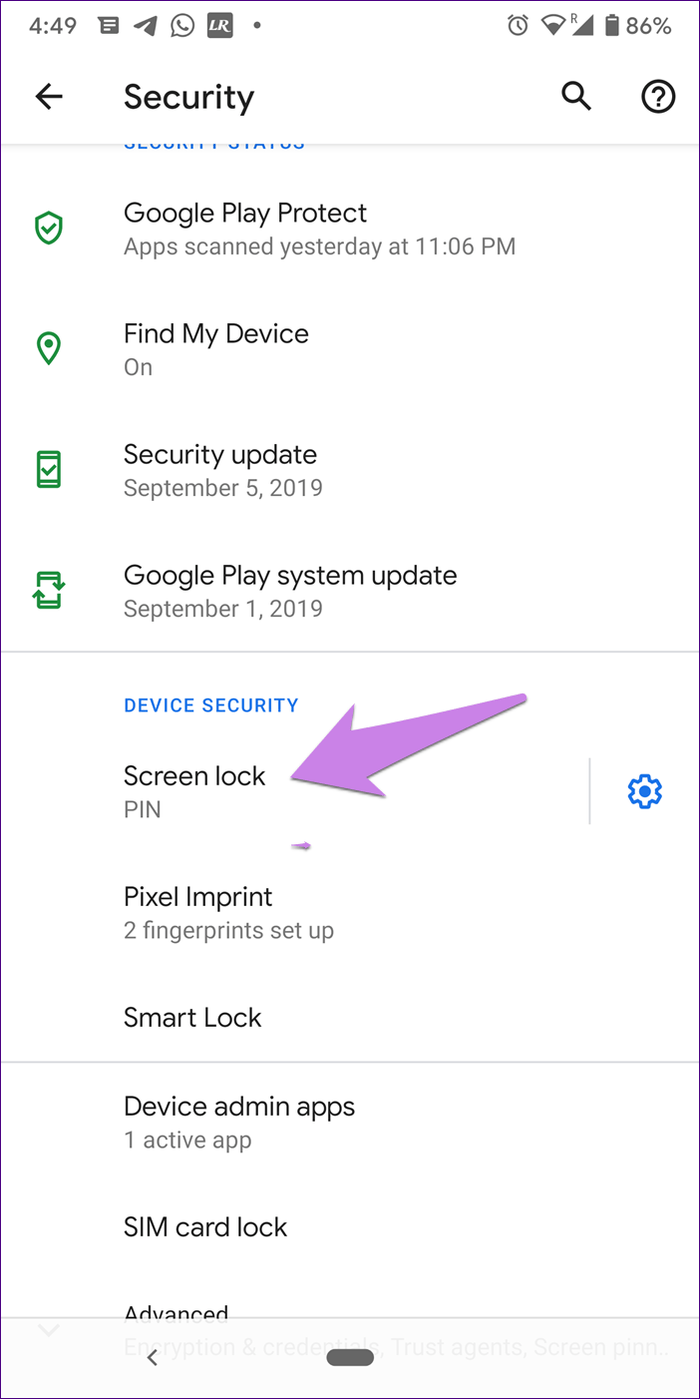
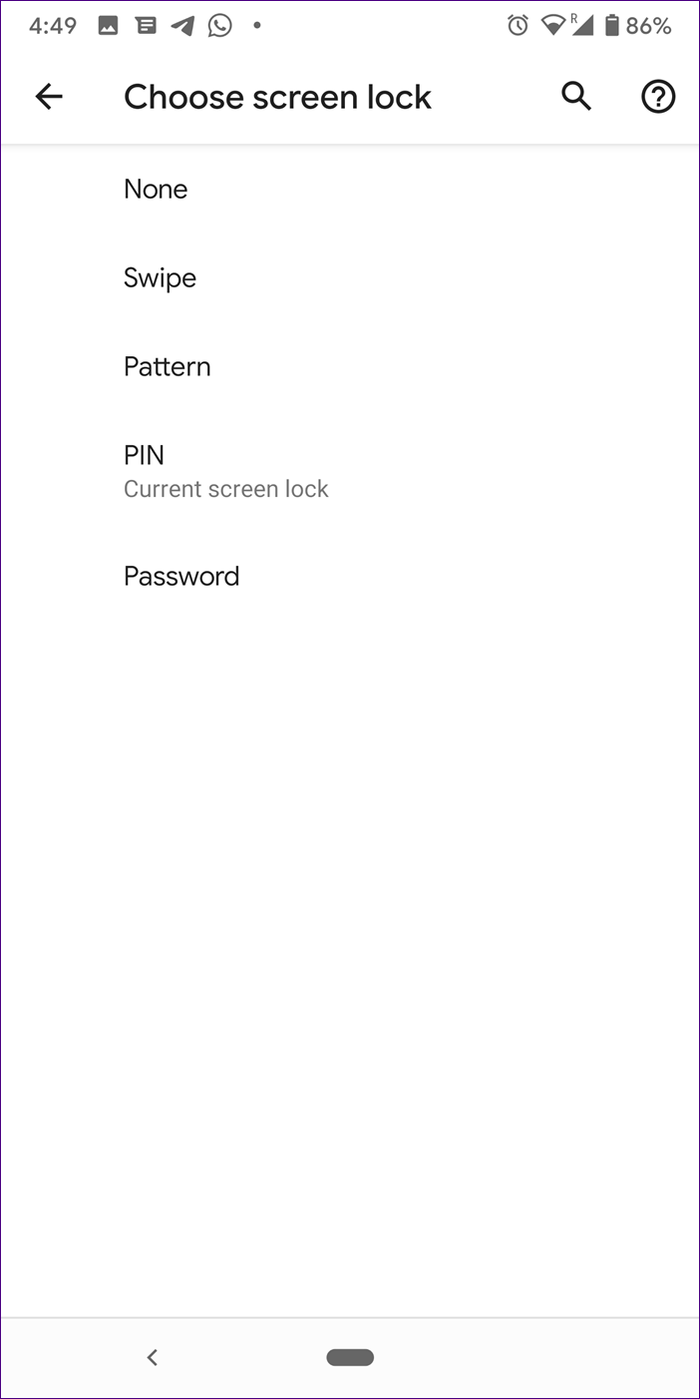
On Samsung phones, go to Settings> Lock screen> Screen lock type . On some other phones, you'll find this setting in Settings> Display> Lock screen . If none of these settings, use the search bar at the top of the settings to find the lock screen type.
- 14 best Android screen lock apps for your creativity
2. Disable the lock screen
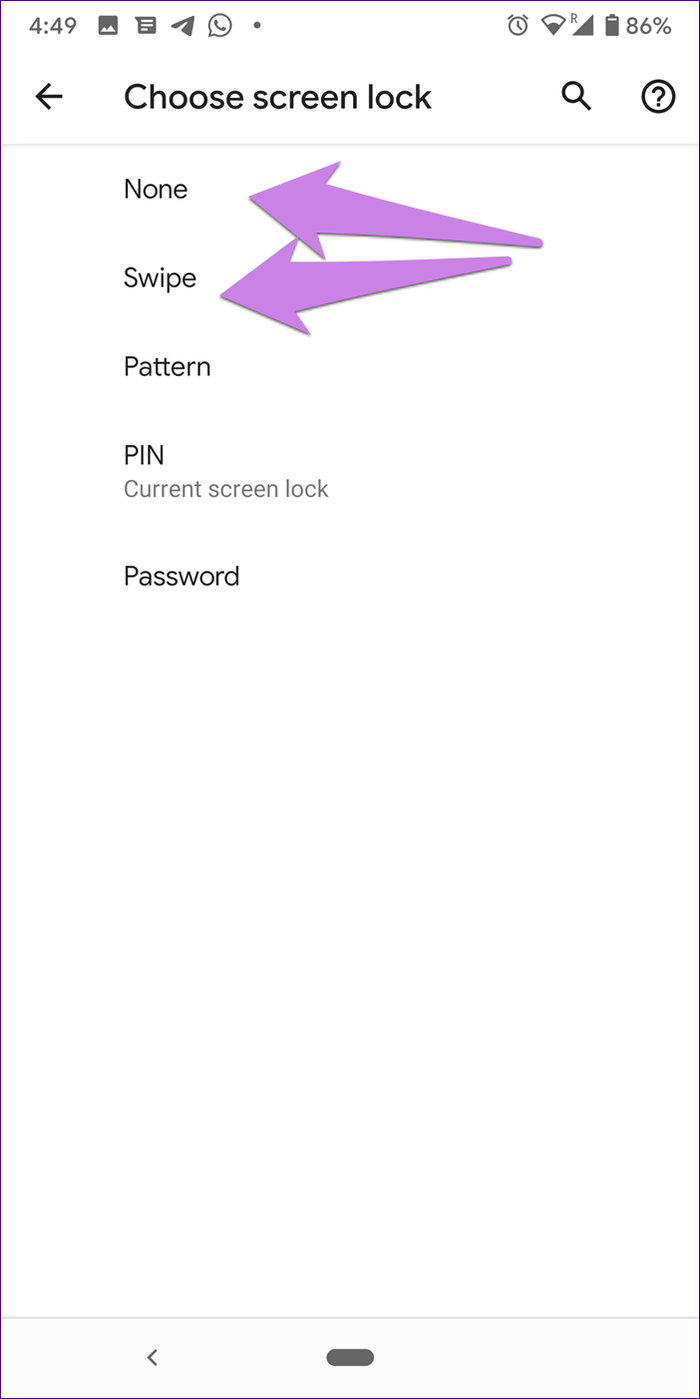
If you don't like the lock screen, you can disable it by selecting None in the lock screen type. Users can also use it without any lock mode by selecting Swipe . You will then have to swipe the lock screen to open the phone. However, this way, anyone with access to your phone can view your content.
3. Set wallpaper different from home screen
All Android phones allow different background settings for the home screen and lock screen.
There are two ways to change the lock screen wallpaper:
From the Settings
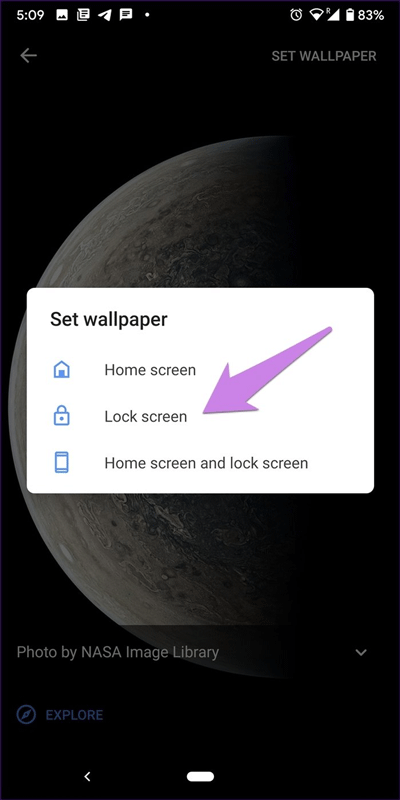
Go to Settings> Display> Wallpaper . On some phones, you will see the wallpaper settings directly in Settings . Touch it, open the image you want to set as a wallpaper and touch Set Wallpaper . Select Lock screen if you want to set it only for the lock screen.
From the Gallery application
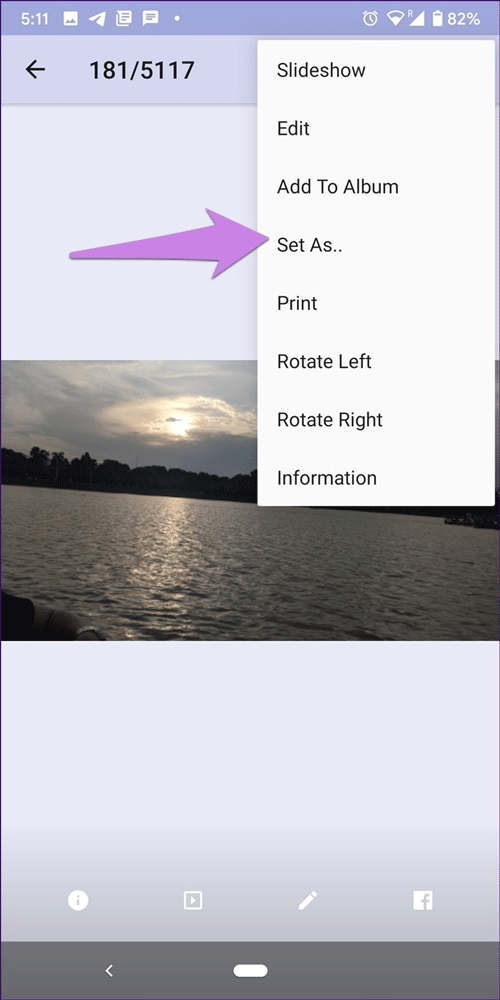
Most photo gallery apps on Android allow you to set your photo as a wallpaper. Open the image in the gallery and use Set as from the available options. Select Wallpaper> Lock screen from the menu that appears.
4. Add notifications on the lock screen
The content on the lock screen is constantly changing because it's mostly from notifications. In case you want to set a message or text on the lock screen, you absolutely can do it.
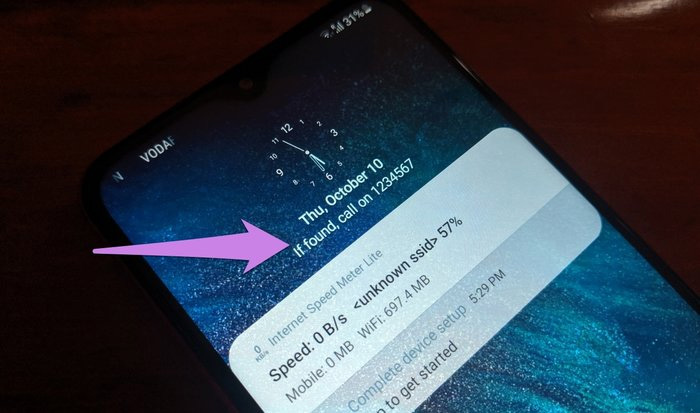
This is useful if you have forgotten your phone somewhere and if someone sees your contact information such as an email or phone number on the lock screen, they can return it to you.
To set a lock screen message, go to Settings> Display> Lock screen display (check in Advanced ) > Lock screen message .
On Samsung phones, go to Settings> Lock screen> Contact information .
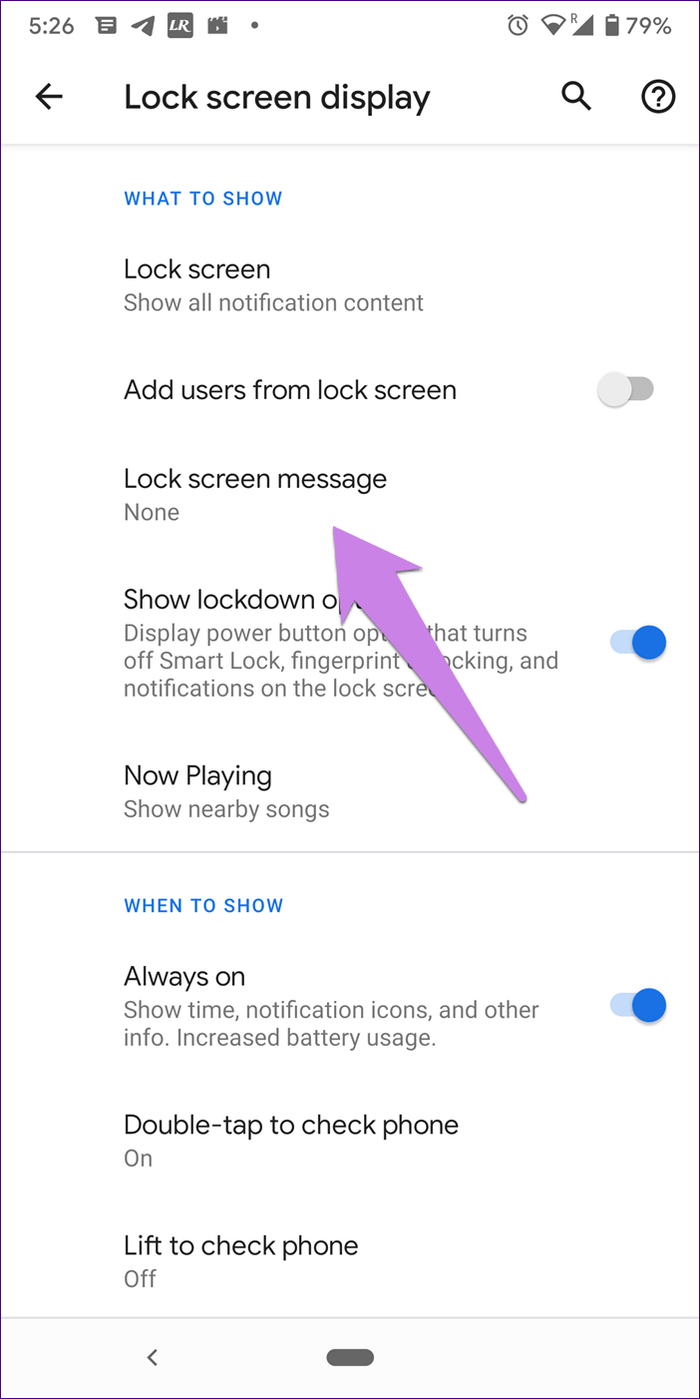
- Add custom notifications on Android lock screen
5. Add users from the lock screen
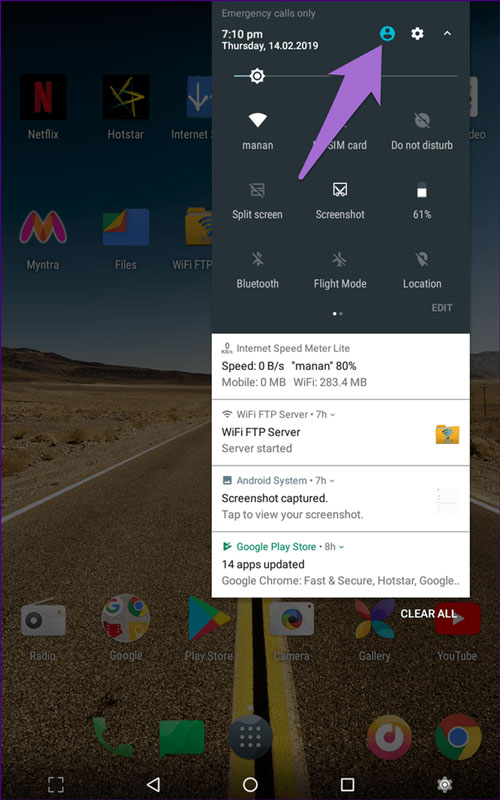
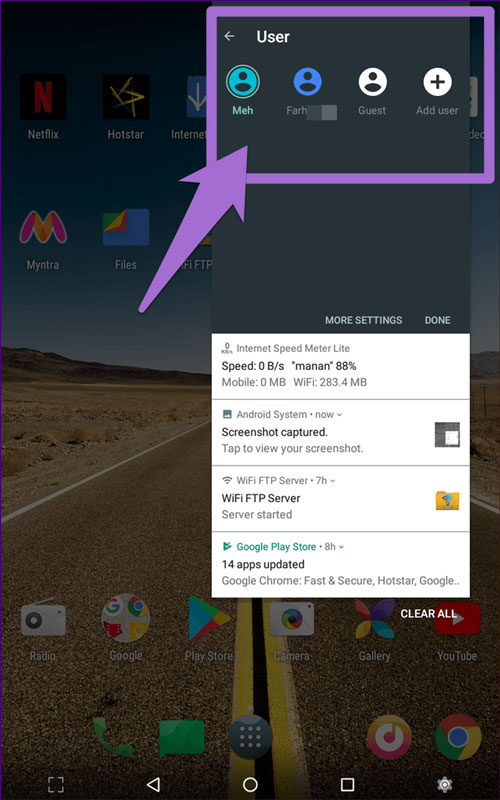
Most Android phones, other than Samsung phones, support multiple user accounts. With this feature, each user has a separate space on the phone. To add or switch users, go to Users Settings and then add users. However, it also has settings that allow adding users directly from the lock screen.
To enable this setting, go to Settings> Display> Lock screen display (check in Advanced) > Add users from lock screen.

When activated, you will find the user icon on the quick settings, touch it to see other users.
6. Disable notification content
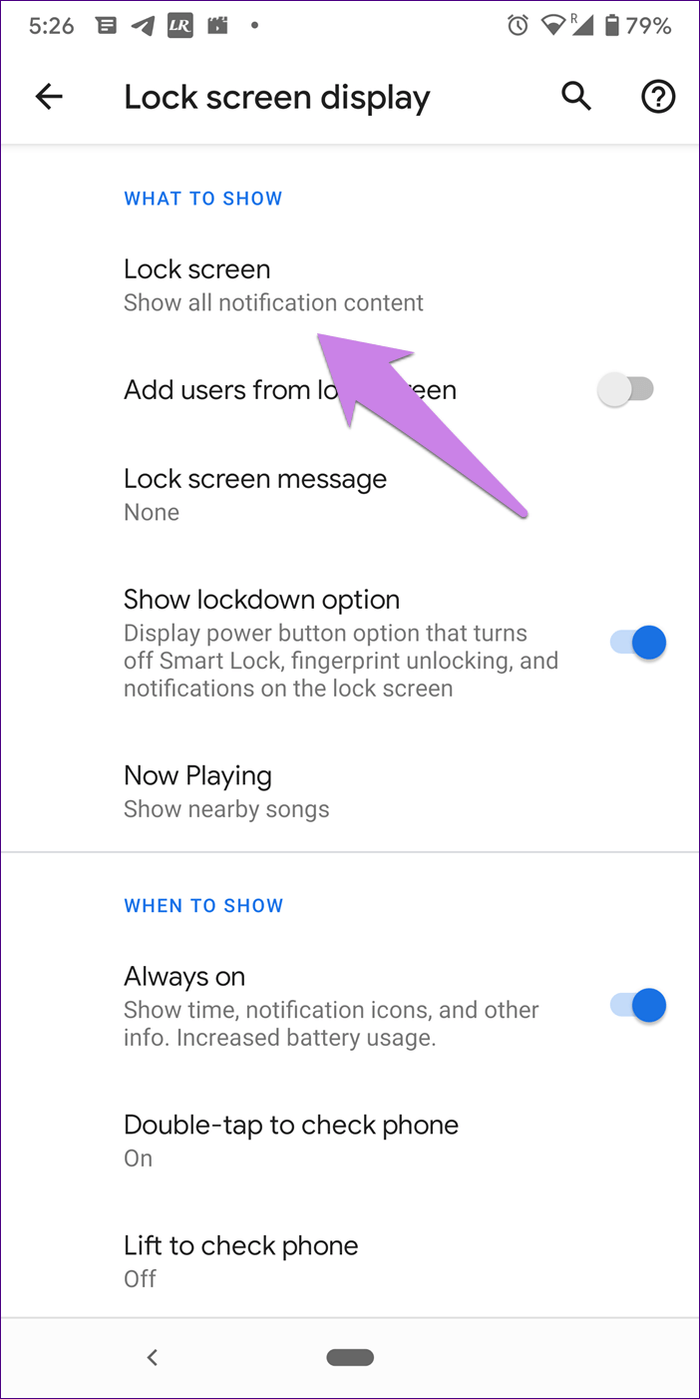
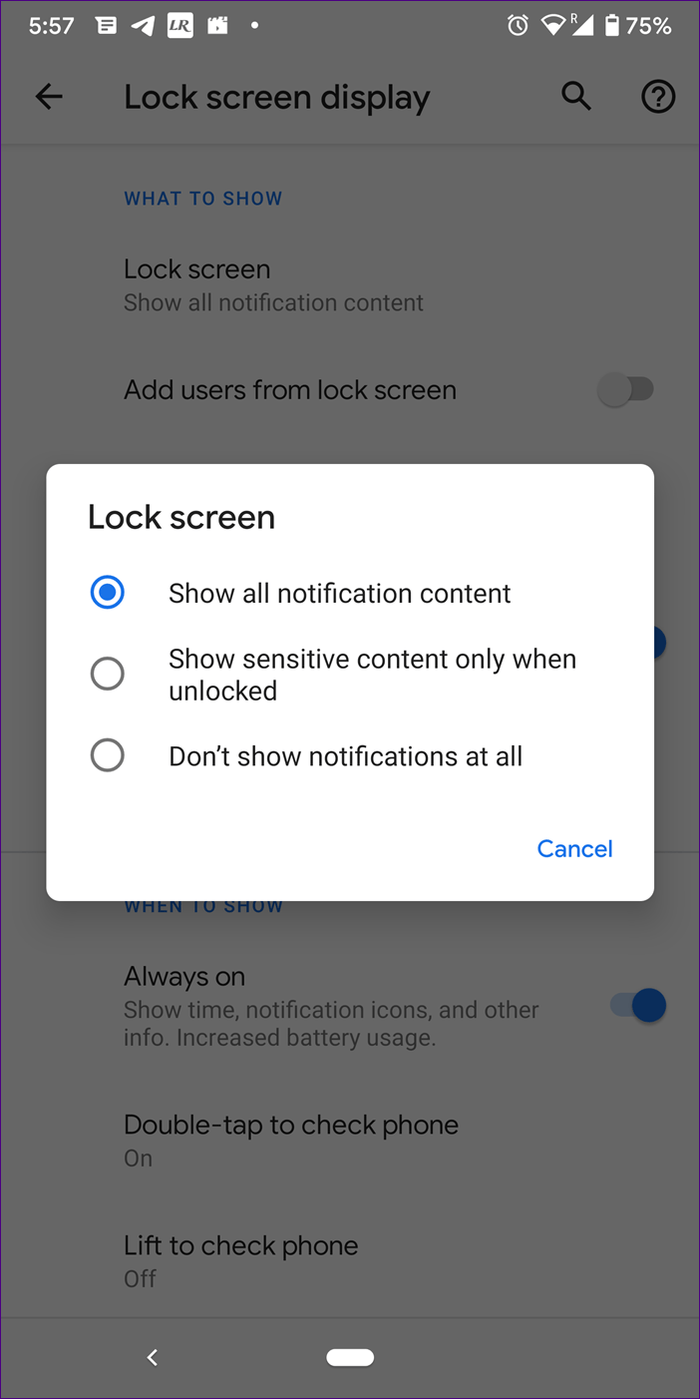
Even when the device is locked, notifications are still displayed on the lock screen. Some people like this because there is no need to open the phone to delete or view notifications, while others hate it for privacy reasons. Fortunately, you can choose to display all the notifications or hide it.
To do this, go to Settings> Display> Lock screen display> Lock screen . Select the option you want.
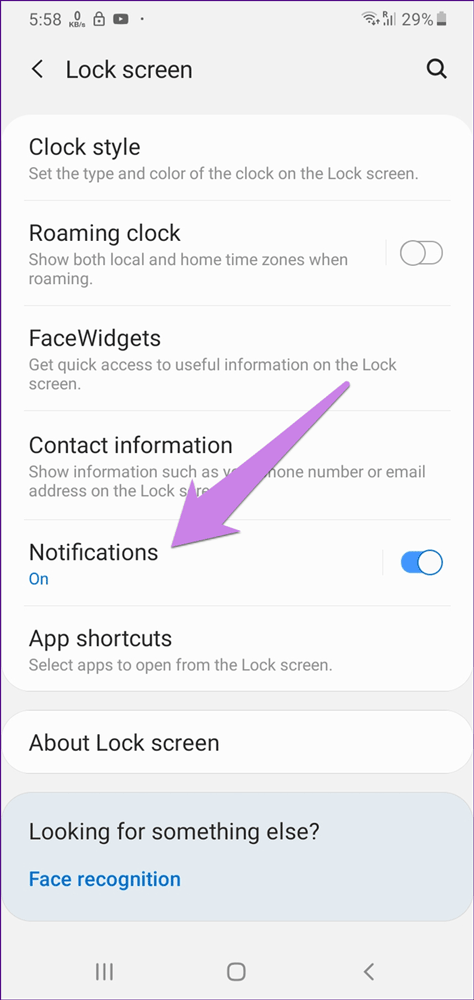
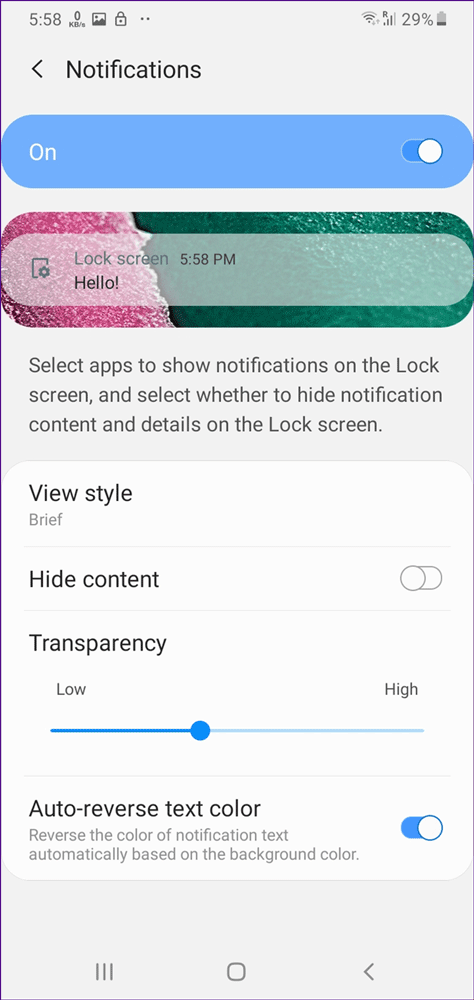
On Samsung phones, go to Settings> Lock screen> Notifications , turn on Hide content if you do not want to display notification content from the lock screen. You can also choose the notification type here.
7. Automatically unlock the device
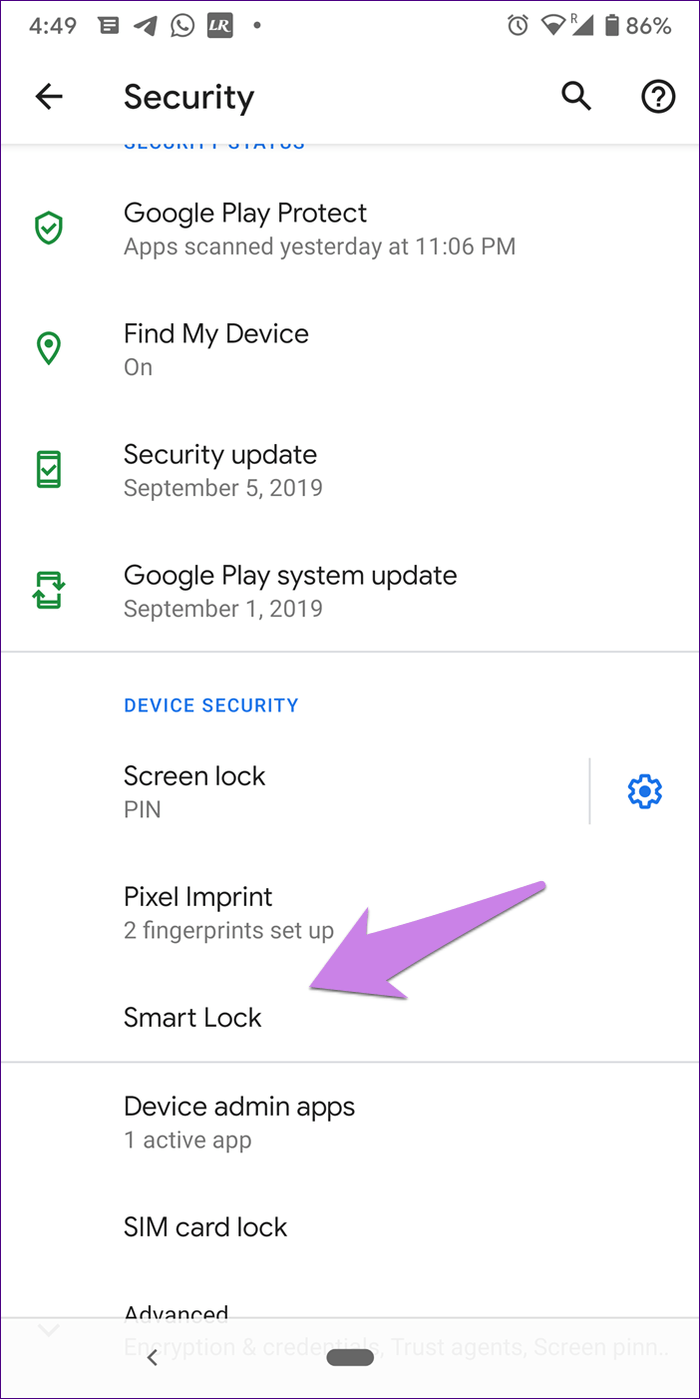
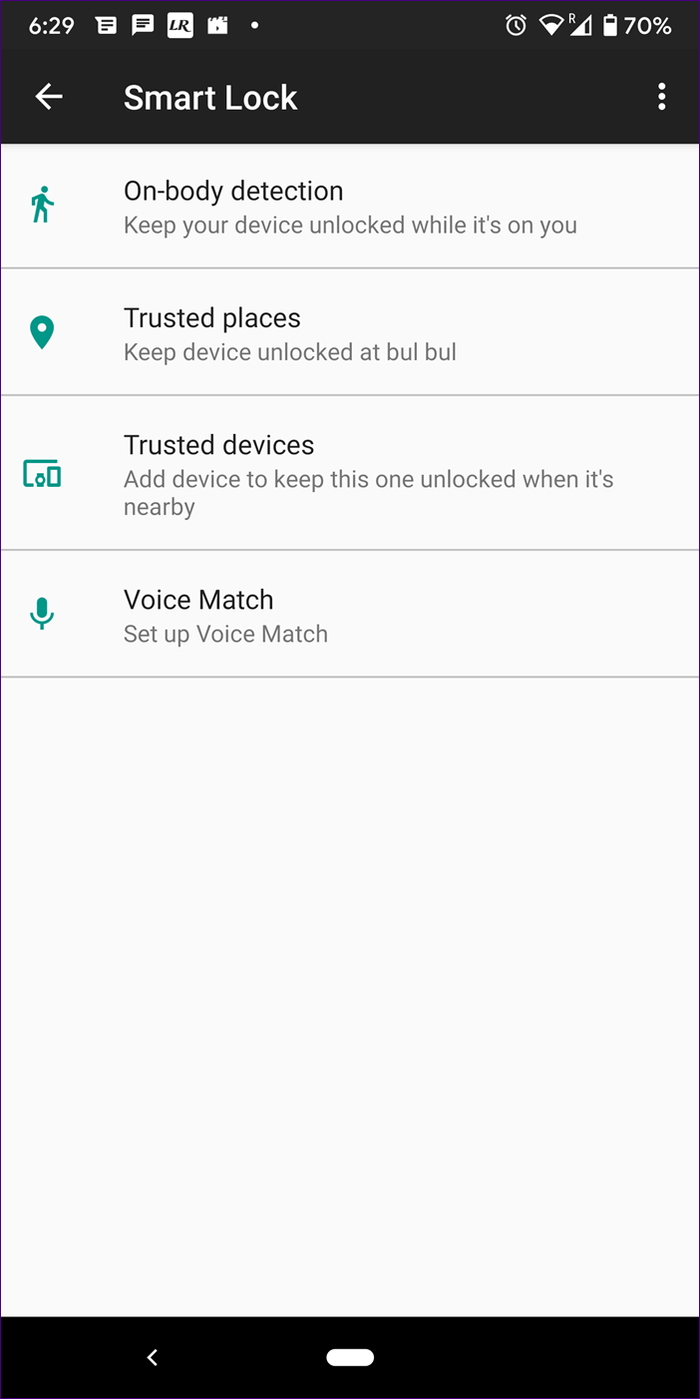
Android phones have a feature to unlock your phone when certain requirements are met. For example, the phone will unlock at home or in the hand. This feature is called Smart lock.
To use this feature, go to Settings> Security> Smart Lock . Enter the lock code and then select the smart lock type.
Tip: On some phones, you'll find Smart Lock in Settings> Lock screen> Smart lock .
8. Customize the lock screen with a third party application
Other than the built-in functions for the lock screen, you can further customize it with third-party apps. Users can add themes, change notification types, add more content to use these applications. Some good lock screen custom apps are:
- Hi Locker
- CM Locker
- AcDisplay
9. Custom lock screen tips for Samsung users
Here are some custom tips specifically for Samsung users.
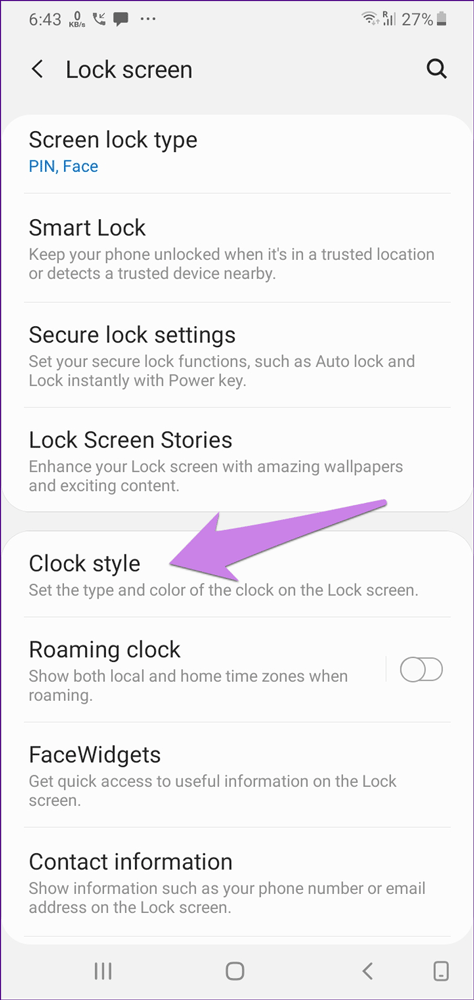
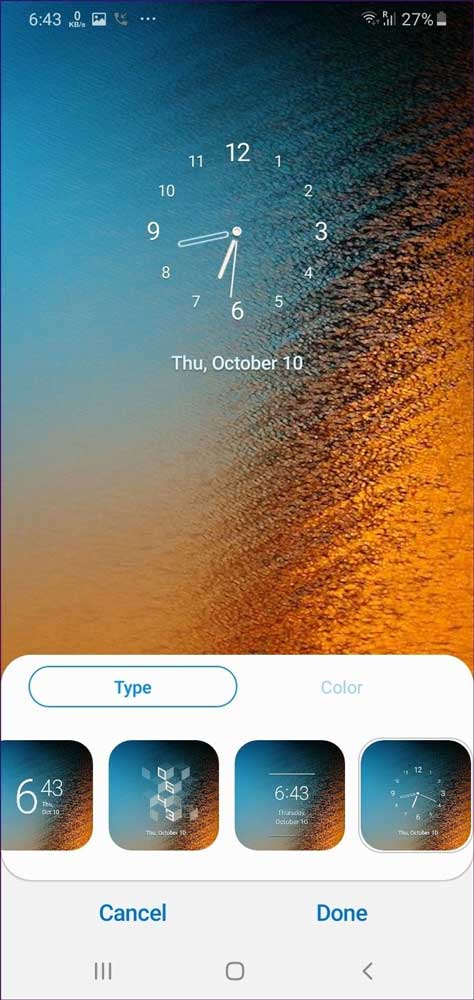
Change the lock screen clock style
Most users usually check their phone on the lock screen. That's why Samsung offers the ability to customize lock screen clock style.
To change the clock type, go to Settings> Lock screen> Clock style , choose a clock style and customize the colors.
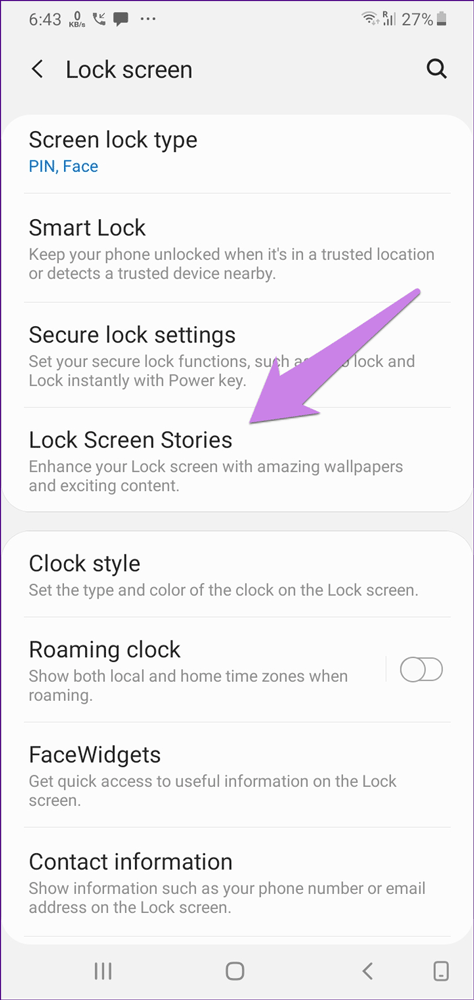
Activate Lock Screen Stories
Want to see information lock screen with changing picture every time you unlock your phone? You can do that with the Lock Screen Stories feature. To enable it, go to Settings> Lock screen> Lockscreen stories .
With the emergence of authentication types such as fingerprint sensors and facial recognition, interaction with the lock screen has decreased. With the above ways you can customize the lock screen as desired.
I wish you successful implementation!
FAQ
What is Custom Android Lock Screen Tips You Shouldn't Overlook about?
It provides a structured overview of custom android lock screen, explains the main context, and highlights practical takeaways for readers.
Why does this topic matter?
Understanding the main concepts helps readers evaluate the issue, avoid common mistakes, and make better-informed decisions.
How should readers use this information?
Use the guidance as a practical starting point, confirm details that may have changed, and follow current product, safety, or security recommendations.
Related Articles
 Add Custom Notifications on Android Lock Screen5 minutes read
 8 Best Lock Screen Apps for Android: Lock Screen App for Android7 minutes read
 14 Best Android Screen Lock Apps for Your Creativity11 minutes read
 9 Android Phone Lock Screen Security Settings9 minutes read
 How to Lock Screen by Image on Android Phone5 minutes read
 4 Things to Do with Android // iOS Lock Screen7 minutes read
Reader Comments 0
Sign in with email or Google to join the discussion.