Table of Contents
This updated guide examines How to Use Indexer Diagnostics in Windows 10 and organizes the essential facts, background, and practical takeaways in clear American English.
Microsoft has released a beta version of the Indexer Diagnostics application in the Microsoft Store.
The Indexer Diagnostics tool can help you identify problems and problems with Windows Search Indexer in Windows 10.
This guide will show you how to use the Indexer Diagnostics application to identify problems and problems with Windows Search Indexer in Windows 10.
Here's how:
1. If not already, download and install the Indexer Diagnostics application from the Microsoft Store.
2. Open the Indexer Diagnostics application .
3. Now, you can click on the options below in the left panel of Indexer Diagnostics, which is used to help identify problems and problems with Windows Search Indexer.
- Service status - Displays the current status of the file indexing.
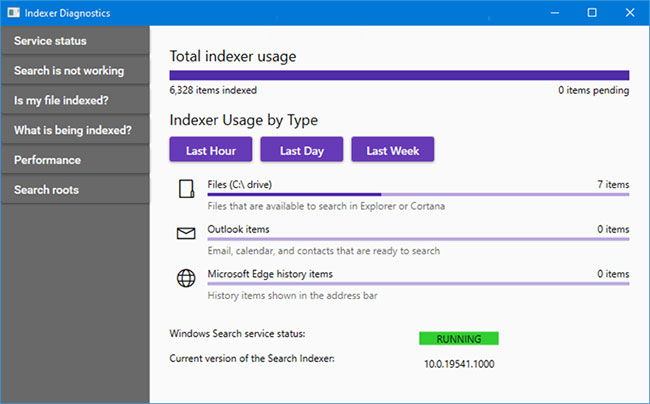
- Search is not working - Allows you to restart ( Restart ), reset the search service ( Reset ) and report file errors ( File Bug ) to Microsoft.
- Is my file indexed? - Allows you to verify whether a specific file is included in the search index database.
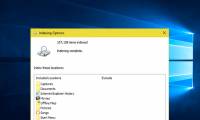
- What is being indexed? - Allows you to see which directory locations are included and excluded in the search index database, as well as to add and remove included and excluded locations.
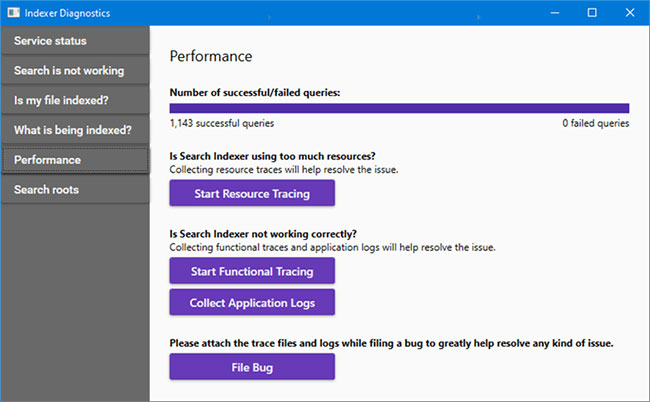
- Performance - Allows you to view the number of successful and failed search index queries, gather resource traces and application logs for the search indexer, and send error reports to the event log file (trace file) and the log is attached.
- Search roots - Displays the locations where the search indexer will start working.
FAQ
What is How to Use Indexer Diagnostics in Windows 10 about?
It provides a structured overview of Windows 10, explains the main context, and highlights practical takeaways for readers.
Why does this topic matter?
Understanding the main concepts helps readers evaluate the issue, avoid common mistakes, and make better-informed decisions.
How should readers use this information?
Use the guidance as a practical starting point, confirm details that may have changed, and follow current product, safety, or security recommendations.
Related Articles
 How to Turn Off Application Diagnostics on Windows 113 minutes read
 Load Indexer Stack in C #: Indexer in C #2 minutes read
 How to Use Apple Diagnostics to Troubleshoot Macs7 minutes read
 What Is Windows Search Indexer? How to Disable It?6 minutes read
 How to Enable / Disable the Indexer Backoff Feature in4 minutes read
 Download the Indexer Diagnostic Tool for Windows 103 minutes read
Reader Comments 0
Sign in with email or Google to join the discussion.