Table of Contents
This updated guide examines How to Unprotect an Excel Sheet and organizes the essential facts, background, and practical takeaways in clear American English.
Method 1
Using Microsoft Excel
 Open the workbook with a protected sheet in Microsoft Excel. You can usually do this by double-clicking the file's name on your computer.
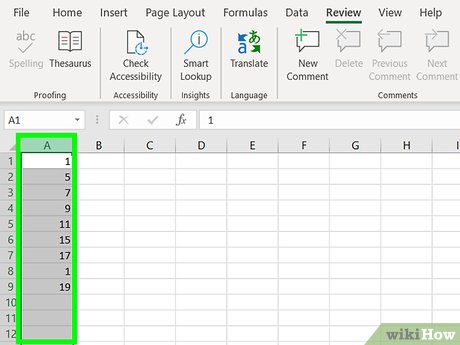 Right-click the tab for the protected sheet. Each sheet's tab appears along the bottom of Excel. The protected sheet often has a padlock icon in some versions of Excel. Right-click the tab (or the lock icon) to open the context menu.[1]XResearch source
- If multiple sheets are protected, you'll need to remove protection on each sheet separately.
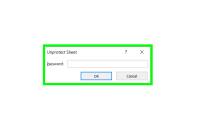
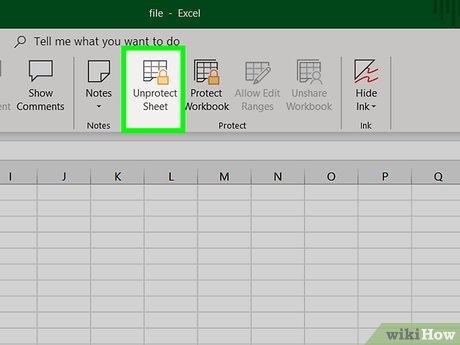 ClickUnprotect Sheet. If the sheet is not password-protected, it will unlock immediately. If not, you'll be prompted to enter a password into a pop-up window.
 Enter the password and clickOK. If the password is correct, the sheet will become unprotected.
- If you don't know the password, see the Using Google Sheets method. This method lets you upload the file to Google Sheets, which removes all protections added in Excel.
- If you're using Excel 2010 or earlier and prefer not to upload to Google Sheets, see the Using VBA Code in Excel 2010 and Earlier method.
Method 2
Uploading to Google Sheets
 Go tohttps://drive.google.comin a web browser. If you have a Google account, you can use Google Sheets (a free online app that's similar to Excel) to remove protection from all sheets in a workbook—even if you don't know the password.
- If you're not already signed into your Google account, follow the on-screen instructions to sign in now.
- If you don't have a Google account, see How to Make a Google Account.
 Click+ New. It's at the top-left corner of the page.
 ClickFile Upload. This opens your computer's Open panel.
 Select the Excel file you want to edit and clickOpen. This uploads the file to your Google Drive.
 Double-click the Excel file in your Google Drive. You'll probably have to scroll down to find it. This opens a preview of the file.
 Click theOpen withmenu. It's at the top of the preview. A menu will expand.
 ClickGoogle Sheets. Now that the file is open for editing in Google Sheets, any sheet protections added in Excel have been removed.
 Re-download the file to your computer. If you want to keep working on the file in Microsoft Excel rather than Google Sheets, you can download this newly-unprotected version of your workbook using the following steps:
- Click the File menu at the top-left corner of your sheet.
- Click Download As.
- Click Microsoft Excel (.xlsx) .
- Select a folder to save the file. If you want to keep the original version of the file (the one with a protected sheet) intact, type a new name for the file as well.
- Click Save to download the file.
Method 3
Using VBA Code in Excel 2010 and Earlier
 Open the workbook that has a protected sheet in Excel. You can usually do this by double-clicking the file's name on your computer. Excel files usually end with the file extension.xlsor.xlsx.
- Use this method if you have already tried unlocking a sheet but found that it's password-protected (and you don't know the password).
- This method will not work in Excel 2013 or later.
 Re-save the file in thexlsformat. If the file you're working on has the ".xlsx" extension (common if it was created or edited in newer versions of Excel), you'll only be able to use this method if you first convert it to the Excel 97-2003 (.xls) format. Here's how to do this:[2]XResearch source
- Click the File menu at the top-right corner.
- Click Save As.
- Go to the folder in which you want to save the file.
- Select Excel 97-2003 (.xls) from the "Save as type" or "File Format" menu.
- Click Save. Follow the on-screen prompts to make any necessary conversions.
 PressAlt+F11to open the Visual Basic Editor.
 Right-click the workbook's file name in the "Project - VBAProject" panel. It's at the top of the left panel. Make sure you right-click the option that contains the file's name (ends with ".xls"), which should be at the top. A menu will expand.[3]XResearch source
 ClickInserton the menu. Another menu will expand.
 ClickModule. This inserts a new module in which you'll paste some code.
- Copy the code. Highlight the code that follows this text, then pressCtrl+C(PC) or⌘Command+Cto copy it:
SubPasswordBreaker()Breaksworksheetpasswordprotection.DimiAsInteger,jAsInteger,kAsIntegerDimlAsInteger,mAsInteger,nAsIntegerDimi1AsInteger,i2AsInteger,i3AsIntegerDimi4AsInteger,i5AsInteger,i6AsIntegerOnErrorResumeNextFori=65To66:Forj=65To66:Fork=65To66Forl=65To66:Form=65To66:Fori1=65To66Fori2=65To66:Fori3=65To66:Fori4=65To66Fori5=65To66:Fori6=65To66:Forn=32To126ActiveSheet.UnprotectChr(i)&Chr(j)&Chr(k)&_Chr(l)&Chr(m)&Chr(i1)&Chr(i2)&Chr(i3)&_Chr(i4)&Chr(i5)&Chr(i6)&Chr(n)IfActiveSheet.ProtectContents=FalseThenMsgBox"Password is "&Chr(i)&Chr(j)&_Chr(k)&Chr(l)&Chr(m)&Chr(i1)&Chr(i2)&_Chr(i3)&Chr(i4)&Chr(i5)&Chr(i6)&Chr(n)ExitSubEndIfNext:Next:Next:Next:Next:NextNext:Next:Next:Next:Next:NextEndSub
 Right-click the new module and selectPaste. The copied code now appears in the module window.
 PressF5to run the code. Excel will now run the code, which can take several minutes. Once the code is finished running, a new password will appear on a pop-up window.
- The new password will be a random number of "As" rather than the original password.
 ClickOKon the Password pop-up. A new password will appear but you won't need to write it down. Clicking OK will remove sheet protection automatically.[4]XResearch source
- If you had to convert the file to an earlier format, you can now save the workbook again as an.xlsx file.
FAQ
What is How to Unprotect an Excel Sheet about?
It provides a structured overview of file, explains the main context, and highlights practical takeaways for readers.
Why does this topic matter?
Understanding the main concepts helps readers evaluate the issue, avoid common mistakes, and make better-informed decisions.
How should readers use this information?
Use the guidance as a practical starting point, confirm details that may have changed, and follow current product, safety, or security recommendations.
Related Articles
 How to Unprotect Excel Sheet8 minutes read
 How to Hide and Hide Sheets in Excel and Show Them Again5 minutes read
 How to Display Sheet Tabs in Excel2 minutes read
 How to Hide the Sheet Tabs (Sheet Bar) in Excel3 minutes read
 How to Create a Password Protection for Excel Sheets4 minutes read
 How to Display Sheet Tab in Excel When Hidden, Not Displayed4 minutes read
Reader Comments 0
Sign in with email or Google to join the discussion.