Table of Contents
This updated guide examines 'Ll: How to Uninstall Itunes and organizes the essential facts, background, and practical takeaways in clear American English.
Method 1of 2:
Using Windows 10
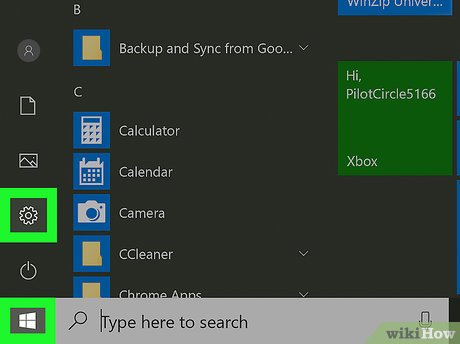 Open your Windows Settings
 . You'll find its icon in the Start menu.
- If you're using Windows 7 or 8, you'll need to open the Start menu, click Control Panel , select Programs , and then Programs and Features . Then, skip to Step 3. The remaining steps will be similar to Windows 10.[1]
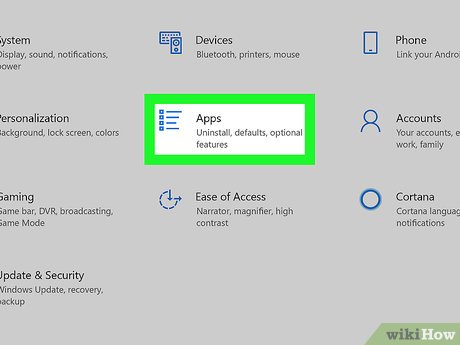 ClickApps. You'll find this in the second column, above "Time & Language." A list of all your installed apps and programs will load. Depending on how many programs you have and your disk space, this may take a few seconds or a minute to completely load.
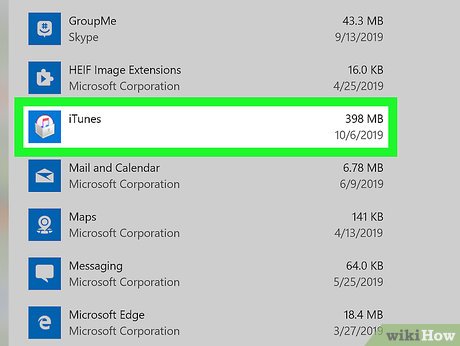 Click to selectiTunes. You'll see the program highlight in blue and expand.
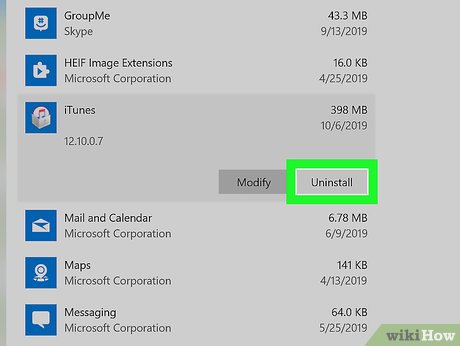 ClickUninstall. You'll see this button appear in the highlighted and expanded area next to "Modify."
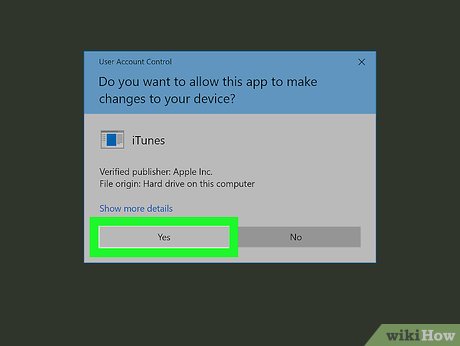 Follow the uninstall steps. Click Uninstall when prompted, and Yes if prompted. Then wait for iTunes to finish uninstalling.
- If prompted to restart your computer, click Restart later .
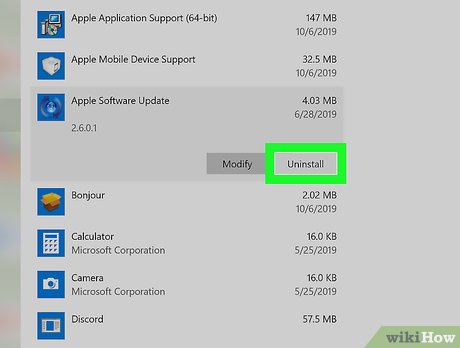 Uninstall other Apple services. You only need to do this if you installed the desktop version of iTunes. If you installed the UWP or Microsoft Store version, you do not have to do so. To completely get rid of iTunes, uninstall the following programs in this order:[2]
- Apple Software Update
- Apple Mobile Device Support
- Bonjour
- Apple Application Support (64-bit)
- Apple Application Support (32-bit)
- Restart your computer after you uninstall all the components. Open Start , click the power icon, and click Restart to do so. Once your computer reboots, iTunes and any partner software will be gone from your computer.
Method 2of 2:
Using a Mac
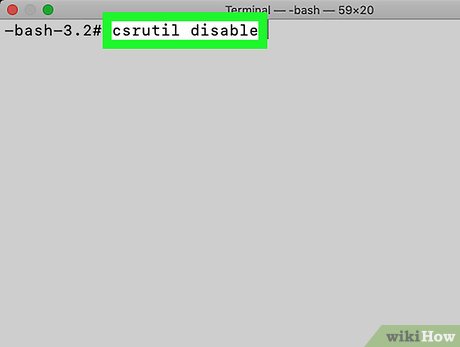 Disable Apple System Integrity Protection (SIP). Since iTunes is a default app, it'll be very difficult to uninstall. You'll have to disable SIP to be able to uninstall iTunes.
- Restart your computer and pressCtrl+Rto boot into recovery mode.
- Navigate to Utilities > Terminal to open Terminal in recovery mode.
- Typecsrutil disablein the Terminal window and press⏎Returnon your keyboard. You'll see that SIP has been disabled.[3]
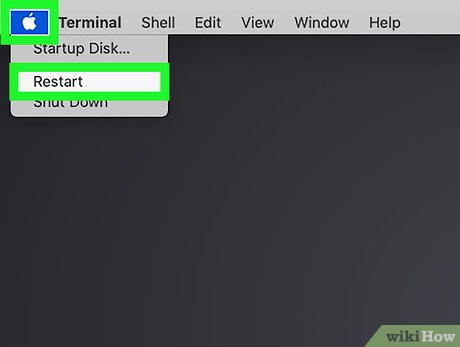 Restart your Mac and log in to your admin account. You'll only be allowed to uninstall apps from an account with administrative rights.[4]
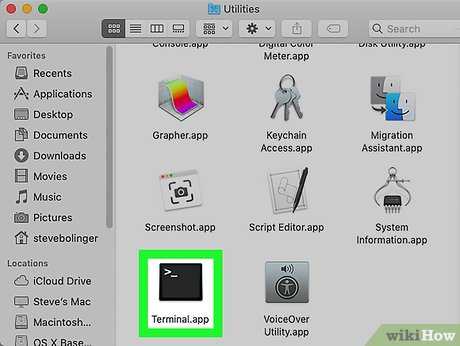 Open Terminal. You'll find it in the Applications folder under Utilities . You can also search Spotlight forterminal.
 Typecd /Applications/and press⏎Return. You'll see the applications directory.
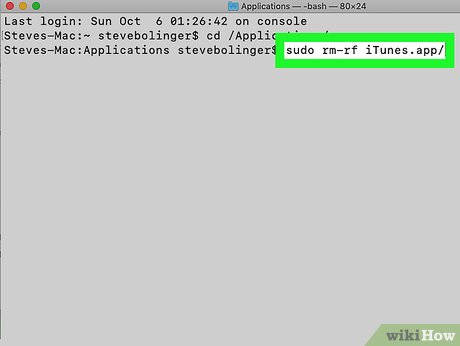 Typesudo rm-rf iTunes.app/and press⏎Return. That command will delete the iTunes app from your Mac.
 Re-enable SIP. To do this, reboot your Mac and pressCtrl+Rto boot into recovery mode, open Terminal, and run this command:csrutil enable.
FAQ
What is 'Ll: How to Uninstall Itunes about?
It provides a structured overview of 'll, explains the main context, and highlights practical takeaways for readers.
Why does this topic matter?
Understanding the main concepts helps readers evaluate the issue, avoid common mistakes, and make better-informed decisions.
How should readers use this information?
Use the guidance as a practical starting point, confirm details that may have changed, and follow current product, safety, or security recommendations.
Related Articles
 How to Delete iTunes, Completely Uninstall iTunes from Your Computer5 minutes read
 How to Uninstall iTunes: Practical Guide5 minutes read
 How to Completely Remove Itunes on Your Computer?: Itunes Windows6 minutes read
 How to Reinstall Itunes5 minutes read
 Instructions for Installing Itunes for Ios 4 Devices15 minutes read
 How to Update Itunes to the Latest Version6 minutes read
Reader Comments 0
Sign in with email or Google to join the discussion.