Table of Contents
This updated guide examines How to Set Default Programs in Windows 8 and organizes the essential facts, background, and practical takeaways in clear American English.
Method 1of 4:
Choosing a Default Program in the Control Panel
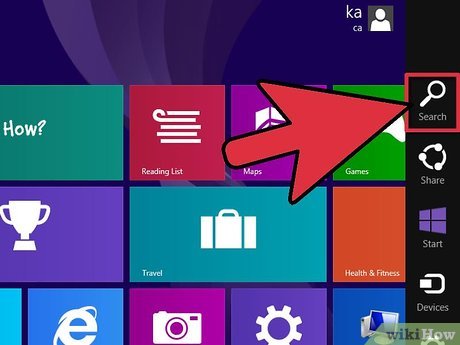 Open the Start screen. Press theWindowskey on your keyboard to open the Start screen.[1]
- If you're using a touch screen, swipe in from the right edge of the screen to open the Charms menu, and then touch Start.
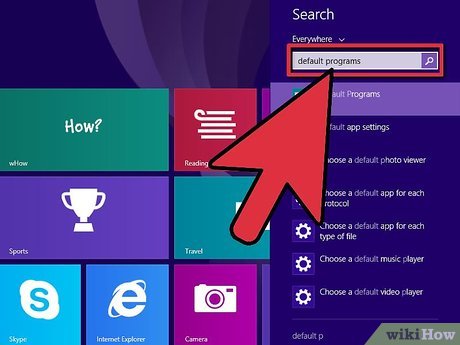 Find the Default Programs utility. On the Start screen, in the Search field, typedefault program, and then pressEnter.
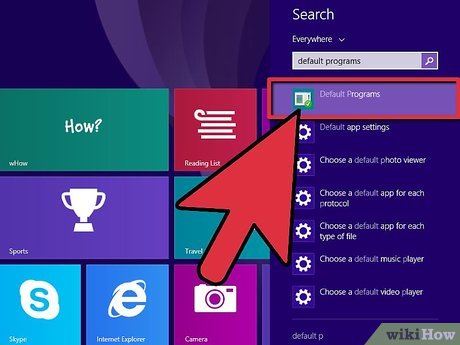 In the search results, touchDefault Programsto open it.
 Find a program you'd like to use as a default. In the Set Default Programs window, in the Programs sidebar, find a program you'd like to set as a default, and then click or touch the program to select it.
 Click or touchSet this program as default. This makes the selected program the default program for all of the file types the program can open.[2][3]
- Click here for steps on choosing specific file types for a default program.
Method 2of 4:
Setting a Default Program by File Type
 Open the Start screen. Press theWindowskey on your keyboard to open the Start screen.
- If you're using a touch screen, swipe in from the right edge of the screen to open the Charms menu, and then touch Start.
 Find the Set Associations utility. On the Start screen, in the Search field, typefile associations, and then pressEnter.
 In the search results, touchMake a file type always open in a specific program.
 Find a file type. In the Set Associations window, find the file extension for the file type you'd like to change the default program. Click or touch to select it.
- In the Current Default column, you can see what program is currently set as the default program for that file type.
 ClickChange program.
 Choose a new default program. If you don't see the program you'd like to use, click More options to programs. When you're done, clickOK.
Method 3of 4:
Setting a Default Program in the File Context Menu
 Open the Start screen. Press theWindowskey on your keyboard to open the Start screen.
- If you're using a touch screen, swipe in from the right edge of the screen to open the Charms menu, and then touch Start.
 Open File Explorer. On the Start screen, in the Search field, typefile explorer, and then pressEnter. Click or touchFile Explorerto open it.
 In File Explorer, find a file or file type that you'd like to change the default program.
 Right-click the file icon, and then clickProperties.
- If you're using a touch screen, press and hold the file icon until the context menu opens.
 Click or touchOpen with, and then click or touchChoose default program.
 Choose a new default program. If you don't see the program you'd like to use, click More options to programs. When you're done, clickOK.
- If you'd like to change the default for this specific file, but not other files of this type, uncheck theUse this app for allcheck box.
Method 4of 4:
Choosing Specific File Types for Default Programs
 Open the Start screen. Press theWindowskey on your keyboard to open the Start screen.
- If you're using a touch screen, swipe in from the right edge of the screen to open the Charms menu, and then touch Start.
 Find the Default Programs utility. On the Start screen, in the Search field, typedefault program, and then pressEnter.
 In the search results, touchDefault Programsto open it.
 Find a program you'd like to use as a default. In the Set Default Programs window, in the Programs sidebar, find a program you'd like to set as a default, and then click or touch the program to select it.
 Click or touchChoose defaults for this program.
 Choose specific file types for the program. In the Set Program Associations window, find the file types you'd like to open with this program, and check the boxes for those file types. Click or touch Save.
FAQ
What is How to Set Default Programs in Windows 8 about?
It provides a structured overview of program, explains the main context, and highlights practical takeaways for readers.
Why does this topic matter?
Understanding the main concepts helps readers evaluate the issue, avoid common mistakes, and make better-informed decisions.
How should readers use this information?
Use the guidance as a practical starting point, confirm details that may have changed, and follow current product, safety, or security recommendations.
Related Articles
 How to Change the Default Programs in Windows 103 minutes read
 Instructions to Reset a Program on Windows to the Default8 minutes read
 How to Change Startup Programs in Windows 77 minutes read
 Instructions for Bringing Windows 10 Back to the Default 'Root'2 minutes read
 How to Set Program Access in Windows 85 minutes read
 7 Ways to Change Default Applications in Windows6 minutes read
Reader Comments 0
Sign in with email or Google to join the discussion.