Table of Contents
This practical guide walks through how to run file explorer with administrative rights in, explains the main requirements, and highlights common issues that may appear along the way.
Open File Explorer with administrative privileges using the EXE . file
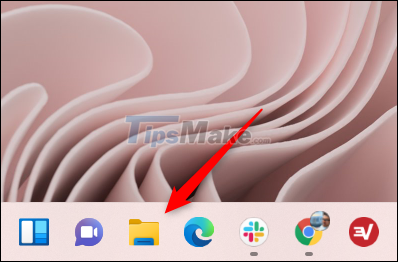
To open File Explorer with administrative rights through an .exe executable, you need to first open it as usual by pressing the Windows + E key combination, or clicking on the File Explorer icon on the taskbar.
Next, in the File Explorer window that opens, locate the File Explorer EXE file in the path 'This PC > Windows (C:) > Windows'. Right-click on the File Explorer application and then select 'Run as Administrator' in the contextual menu that appears.

A new instance of File Explorer will immediately open with system administrator privileges.
Open File Explorer with administrative rights through Task Manager
You can also open File Explorer with administrative rights using the Task Manager.
First, launch Task Manager by pressing Ctrl + Shift + Escape. Then, on the Task Manager interface that opens, click 'More Details' at the bottom of the window.

The Task Manager window will expand, displaying more different information about the applications currently running on the system. Click the 'File' tab in the menu bar, then select 'Run New Task' in the drop-down menu that appears.

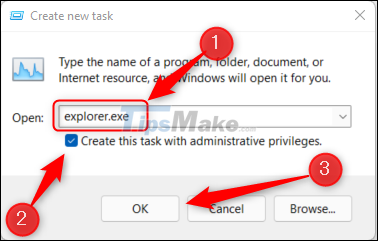
The Create New Task window will immediately appear. Type 'explorer.exe' in the text box next to the Open button, check the box next to the 'Create this task with administrative privileges' option, and then click 'OK'.
File Explorer will immediately open with system administrator privileges.
With File Explorer running with enhanced privileges, you can now search for any application or file you want to access. However, make sure that the file or folder you are looking for is not hidden.
Key Takeaways
Use the information above as a practical reference for how to run file explorer with administrative rights in. Review each step carefully, confirm any requirements, and choose the option that best fits your situation.
FAQ
What does this guide explain about Run File Explorer with Administrative Rights in?
It explains the main concepts, practical considerations, and useful steps related to run file explorer with administrative rights in without requiring advanced knowledge.
Who can benefit from learning about Run File Explorer with Administrative Rights in?
This information is useful for readers who want a clear overview, practical guidance, and reliable steps related to run file explorer with administrative rights in.
What should I check before applying this information?
Review the requirements, confirm that your device, software, or situation matches the instructions, and back up important data before making major changes.
Related Articles
 What Does Running Software with Administrative Rights Mean?8 minutes read
 4 Ways to Run the Software Using Administrative Rights in Windows6 minutes read
 How to Fix File Explorer Lag on Windows 11: Step-by-Step Guide8 minutes read
 6 Windows File Explorer Add-ons That Make Life Easier7 minutes read
 Files Is a Windows File Explorer Alternative That Meets All User Needs6 minutes read
 How to Open CMD with Administrator Rights on Windows5 minutes read
Reader Comments 0
Sign in with email or Google to join the discussion.