Table of Contents
This practical guide walks through how to open CMD with administrator rights on Windows, explains the main requirements, and highlights common issues that may appear along the way.
Without a guide, I'm afraid that many newbies don't know how to do it, and the instructions are too much duplicate. Every article related to the cmd command is the same as that I copy the same instruction, it is very annoying.
Okay, so that means you already understand the problem, right? In this article, I will show you how to run cmd as administrator, and share with you an interesting trick that is to create a cmd shortcut to always run it with administrative rights (Run as administrator). ).
I. Run cmd with Administrator rights in the usual way
1. On Windows 7 operating system
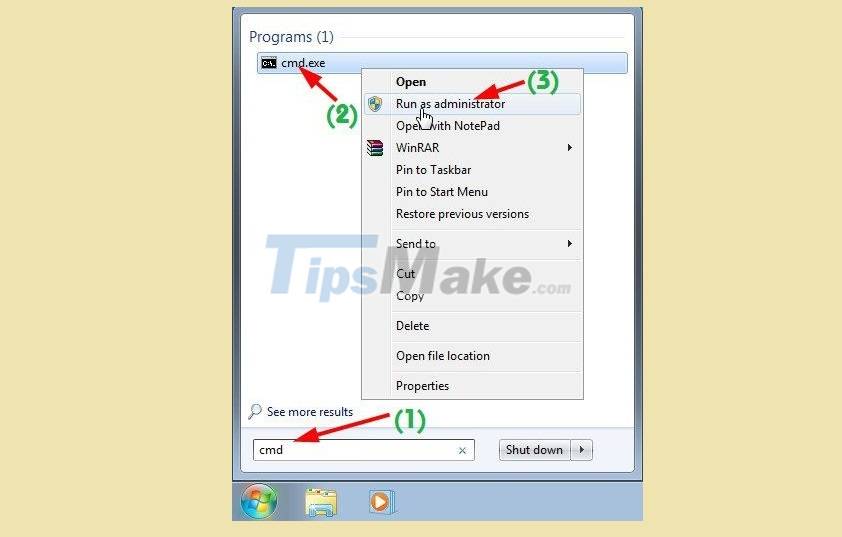
Implementation: You enter cmd in the search box in the Start menu => right-click on the cmd.exe file => select Run as administrator to run with administrative rights.
2. On Windows 8/ 8.1 . operating system
For these new operating systems, you can quickly use the Windows + X key combination => then select Command Prompt (Admin) and you're done.
Note: Some older versions of Windows 10, Version 1607 and below can also do it this way.

3. On Windows 10 operating system
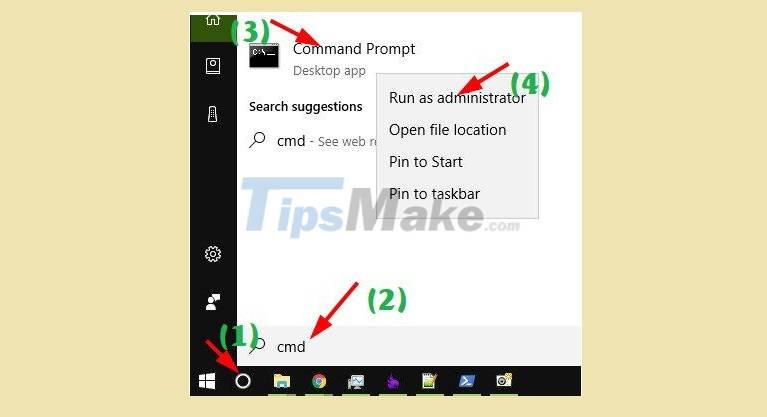
You click on the icon of the search button, or press the Windows + S key combination => enter the cmd keyword => appear Command Prompt => right-click and select Run as administrator.
That's it, as simple as that. Now will be another way, that is to create a shortcut to always run cmd as administrator. Applicable to all popular operating systems today, which are Windows 7 / Windows 8 / 8.1 and Windows 10.
II. Create Shortcut to always run cmd with Administrator rights
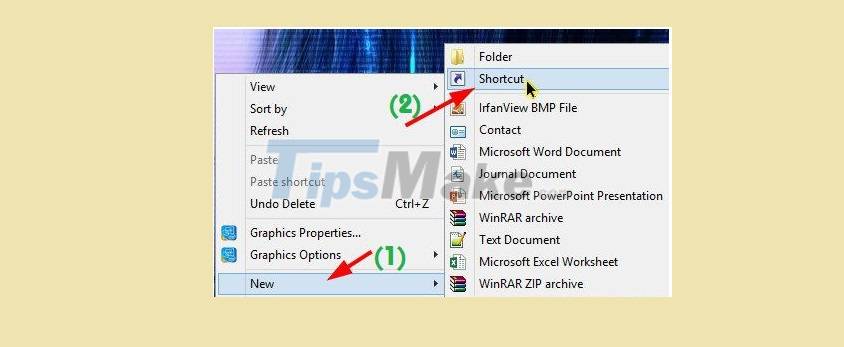
Right-click on the Desktop screen => select New => select Shortcut as shown below.
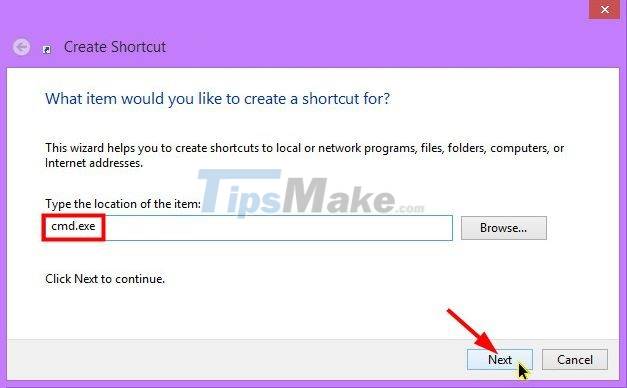
At the Type the location of the item section, enter the cmd.exe command => then click Next to continue.
Name the Shortcut that you will create, here I will leave it as cmd.exe and click Finish to finish.
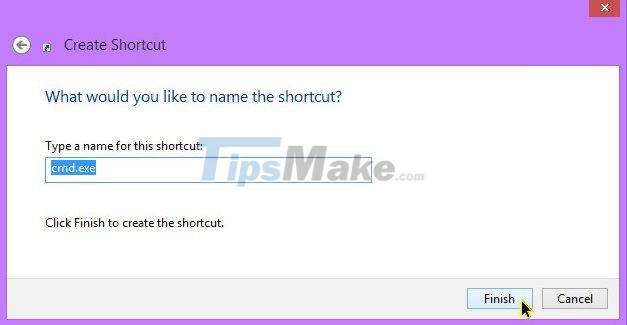
Okey, now the cmd shortcut icon can be run, but for it to always run with administrator rights, we need to do one more step. You continue as follows:
Right click on the cmd.exe icon you just created => select Properties
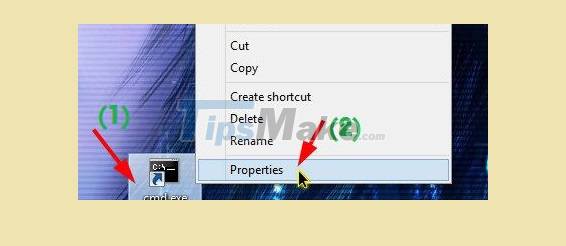
At the Shortcut tab, click Advanced.

Check the line Run as administrator => click OK to agree => select Apply => OK to close the window.
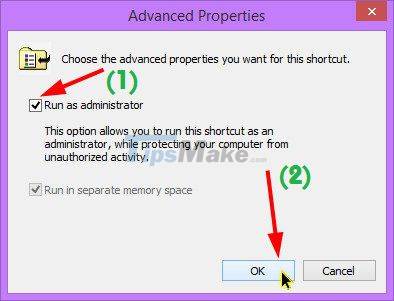
Done, now try to double click on that cmd.exe file. Surely it will run with Administrator rights already.
Good luck.
Key Takeaways
Use the information above as a practical reference for how to open CMD with administrator rights on Windows. Review each step carefully, confirm any requirements, and choose the option that best fits your situation.
FAQ
What does this guide explain about Open CMD with Administrator Rights on Windows?
It explains the main concepts, practical considerations, and useful steps related to open CMD with administrator rights on Windows without requiring advanced knowledge.
Who can benefit from learning about Open CMD with Administrator Rights on Windows?
This information is useful for readers who want a clear overview, practical guidance, and reliable steps related to open CMD with administrator rights on Windows.
What should I check before applying this information?
Review the requirements, confirm that your device, software, or situation matches the instructions, and back up important data before making major changes.
Related Articles
 How to Open CMD with Administrator Rights on Win 104 minutes read
 6 Ways to Run Software with Administrator Rights in Windows11 minutes read
 Summary of Basic Cmd Commands and How to Open Administrator Rights11 minutes read
 How to Open Notepad with Admin Rights: Step-by-Step Guide8 minutes read
 How to Set up Always Opening Applications with Admin Rights3 minutes read
 How to Run Winrar with Administrator Rights4 minutes read
Reader Comments 0
Sign in with email or Google to join the discussion.