Table of Contents
This updated guide examines How to Prevent Windows 10 from Going to Sleep and organizes the essential facts, background, and practical takeaways in clear American English.
Method 1of 3:
Using the Settings App
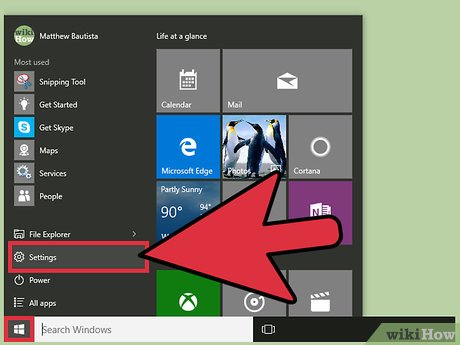 Open the Settings app. Press the Start
 button in the lower-left corner of your screen and select the settings gear.
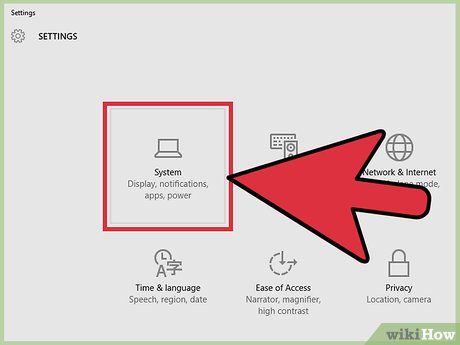 Go toSystem. It's the first category to the very left of the app.
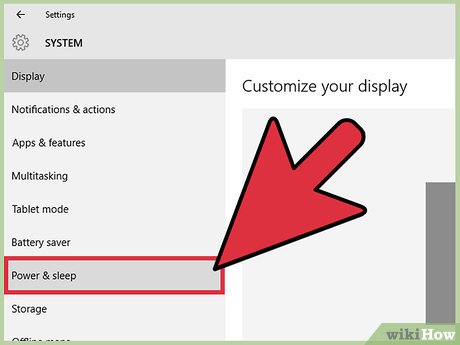 Open the Power settings. SelectPower and sleepfrom the left pane.
- Locate at the sleep settings. They'll be under the "Sleep" header, which is below the power settings.
 Disable sleep. Set both the dropdowns under "Sleep" toNever.
- The duration which you can set after your PC should go to sleep when on battery, and on plugged in both states.[
Method 2of 3:
Using the Control Panel
 Launch Windows 10 shortcuts key [Win+X] to navigate Control Panel and click on it.
 Find the Power Options. Click on it.
 Click on the link 'Choose when to turn off the display' from the left pane of the window screen.
 Select the link 'Put the computer to sleep' option. From there, you can choose the duration as per your requirement from the dropdown menus for On Battery and Plugged In. Make sure you have saved the changes before closing the window.
Method 3of 3:
Using the Insomnia Tool (Third-Party)
 Download the zip version of the Insomnia tool on your Windows 10 PCs from the below link, then your computer will not go to sleep till this application running.
- Download it here: http://dlaa.me/Samples/Insomnia/Insomnia.zip
- More about the free software and geeky stuff can be read here: https://dlaa.me/Insomnia/
 Extract the.zip file that you have downloaded. Once you unzip the file, you will have different applications with different bit operating systems.
 Select 64-bit operating system. Double click on it to run the application. Then your computer cannot go to sleep while this window is open.
FAQ
What is How to Prevent Windows 10 from Going to Sleep about?
It provides a structured overview of sleep, explains the main context, and highlights practical takeaways for readers.
Why does this topic matter?
Understanding the main concepts helps readers evaluate the issue, avoid common mistakes, and make better-informed decisions.
How should readers use this information?
Use the guidance as a practical starting point, confirm details that may have changed, and follow current product, safety, or security recommendations.
Related Articles
 How to Prevent iPad from Going to Sleep4 minutes read
 What You Need to Know About Sleep Needs by Age8 minutes read
 15 Truths Completely Wrong About Sleep (part 1)6 minutes read
 How to Troubleshoot Problems with Sleep Mode in Windows 109 minutes read
 How to Turn Off Password Request After Sleep on Windows 117 minutes read
 How to Set up a Windows 11 PC to Automatically Go to Sleep4 minutes read
Reader Comments 0
Sign in with email or Google to join the discussion.