Table of Contents
This updated guide examines How to Install Truetype Fonts on Ubuntu and organizes the essential facts, background, and practical takeaways in clear American English.
Method 1of 3:
Getting Font Viewer Root Privileges to Install a Font
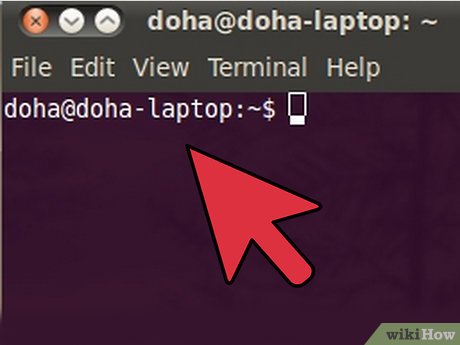 Open a terminal window
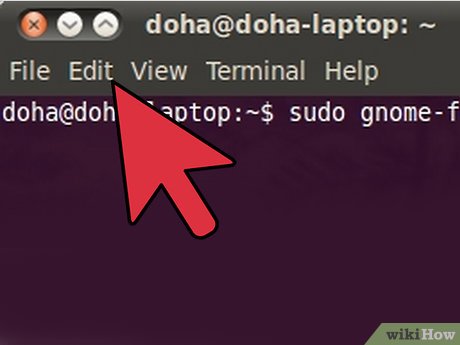 Type "sudo gnome-font-viewer and hit enter (replace with the path to the font file you want to install! )
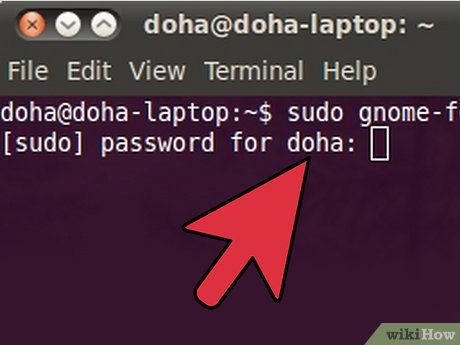 Enter your user password when prompted
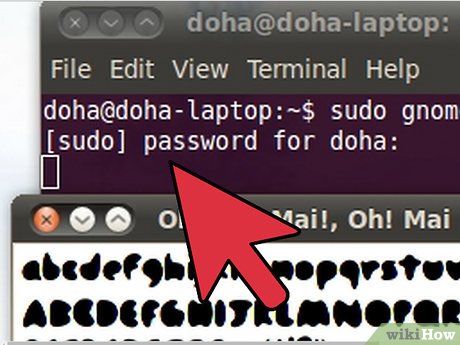 Click "Install". Job done!
Method 2of 3:
Automatically Install a Single Font
 Download a TrueType font. (The file extension will be.ttf.) Unzip your file if necessary.
 Double click on the downloaded file. This should open a font-viewer window.
 Click Install Font in the lower right-hand corner. Congratulations! Your font has been installed.
Method 3of 3:
Manually Install Multiple Fonts
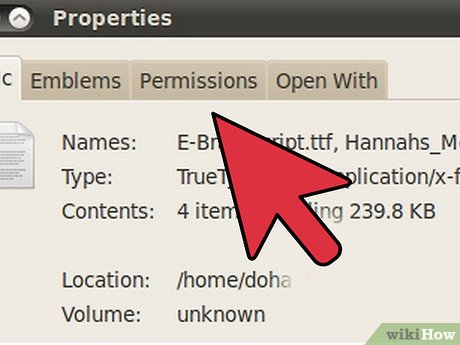 Download TrueType fonts. (The file extension will be.ttf or.otf) Unzip your files if necessary.
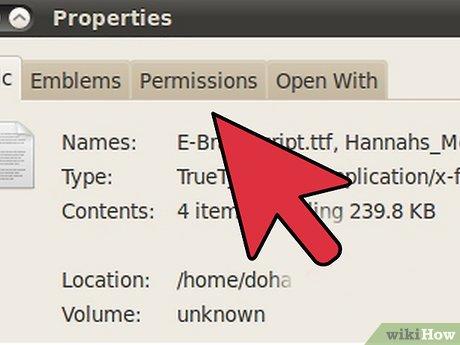
 Move your files to the ~/ Directory. The ~/ Directory is your home folder. This means that if you were logged in as cruddpuppet, the directory would be /home/cruddpuppet/.
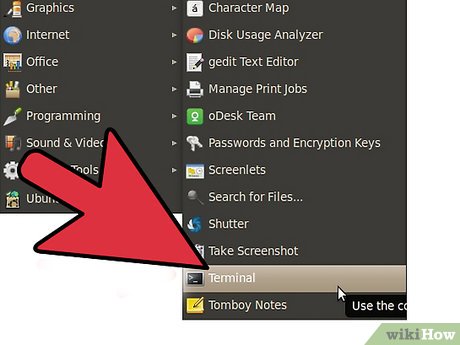
 Go to Applications > Accessories > Terminal. This will take you to the terminal.
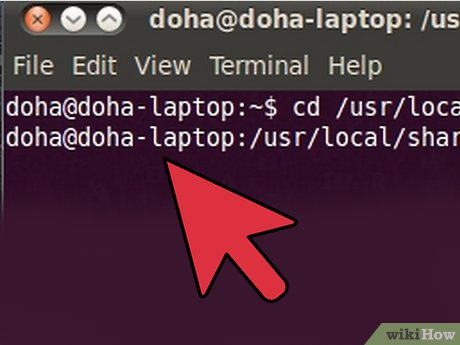
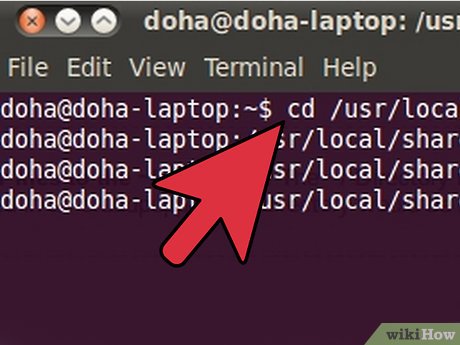
 Type 'cd /usr/local/share/fonts/truetype' without quotes into the command line. This is a directory for user-added fonts in linux.
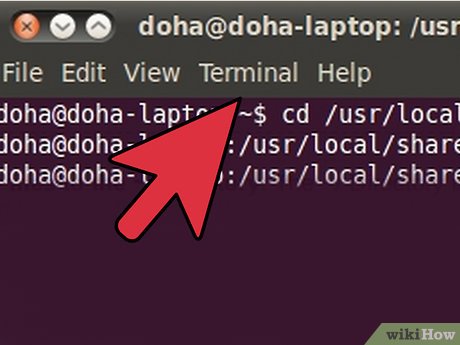 Type 'sudo mkdir myfonts' without quotes. This will make a directory called 'myfonts' in which to store your fonts. If you're not logged in as root, you will be prompted to provide your password.
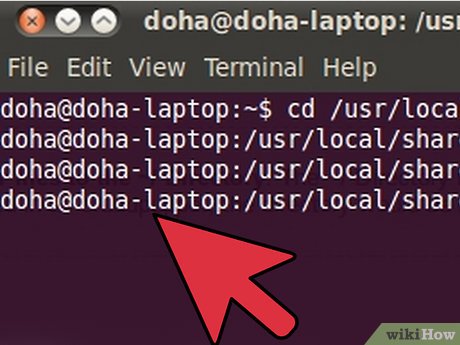 Type 'cd myfonts' without quotes. This moves you into the new directory.
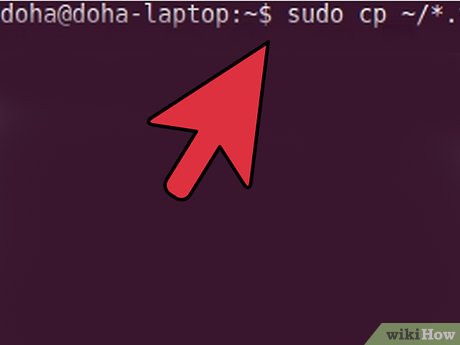
 Type 'sudo cp ~/fontname.ttf. ' without quotes. This moves the TrueType fonts into your new directory. (Alternatively, type 'sudo cp ~/*.ttf.'; the * acts as a wildcard, allowing you to move all your fonts from the ~/ Directory at once.)
 Type 'sudo chown root fontname.ttf'(or *.ttf) to change file owner to the root.
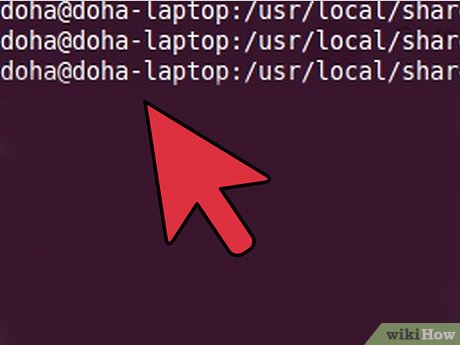 Type 'cd. .' and then 'fc-cache' without quotes to add newly-added fonts to system-wide font index, so all applications can see them.
FAQ
What is How to Install Truetype Fonts on Ubuntu about?
It provides a structured overview of font, explains the main context, and highlights practical takeaways for readers.
Why does this topic matter?
Understanding the main concepts helps readers evaluate the issue, avoid common mistakes, and make better-informed decisions.
How should readers use this information?
Use the guidance as a practical starting point, confirm details that may have changed, and follow current product, safety, or security recommendations.
Related Articles
 How to Download, Install and Use Google Fonts on Ubuntu5 minutes read
 How to Install and Remove Fonts on Linux: Install Fonts on Linux7 minutes read
 Method: How to Install Custom Fonts in Ubuntu3 minutes read
 How to Install Fonts on iPhone, iPad8 minutes read
 How to Install and Remove Fonts on Mac: Install Fonts on Mac11 minutes read
 Instructions for Installing Windows Fonts on Ubuntu3 minutes read
Reader Comments 0
Sign in with email or Google to join the discussion.