Table of Contents
This updated guide examines How to Install Steam on Linux and organizes the essential facts, background, and practical takeaways in clear American English.
Method 1of 5:
Installing from the Ubuntu Software App
 Open the Ubuntu Dash on your computer. Click the icon on the top-left corner of your screen to open the Dash.
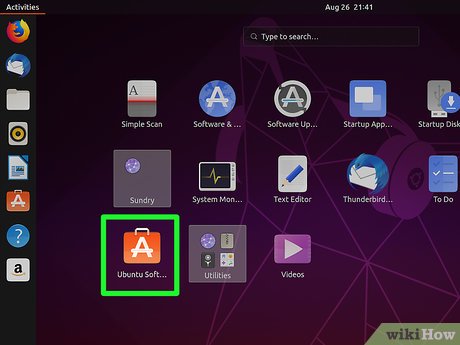 Find and click the Ubuntu Software app. This app looks like an orange bag icon with a white "A" on it.
- You can type the app name in Dash to quickly find it.
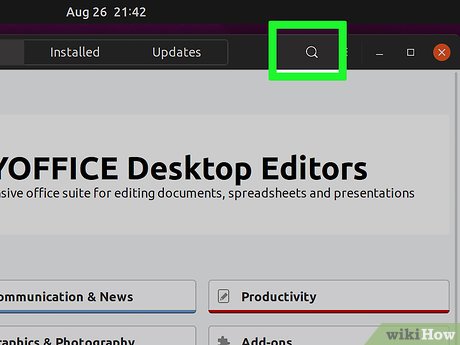 Click the search bar at the top. You can search all the available software here.
 SearchSteamin the software app. Type the app name, and press↵Enteror⏎Returnon your keyboard. The official Steam app will show up at the top of the results.
 Click theInstallbutton next to Steam. This will install the latest release of the official Steam app on your Ubuntu Linux computer.
Method 2of 5:
Installing from Ubuntu Repositories
 Open a Terminal window. To do this, click the icon on the top-left, type "Terminal," and hit↵Enteror⏎Return. You could also press theCtrl+Alt+Tkeyboard shortcut.
 Typesudo add-apt-repository multiverse. This command will add the required repository for installation.
- Press↵Enteror⏎Returnto run the command. If you're prompted, enter your password to proceed.
 Type and runsudo apt update. This will update the repository with the latest version.
- Press↵Enteror⏎Returnto run the command.
 Type and runsudo apt install steam. This will install Steam from the default Ubuntu repositories.
- You can launch the Steam app on your computer after your installation is finished.
Method 3of 5:
Installing via DEB Package
 Open a terminal window. To do this, click the icon on the top-left, type "terminal," and hit↵Enteror⏎Return. You could also press theCtrl+Alt+Tkeyboard shortcut.
 Typesudo dpkg --add-architecture i386.
 Press↵Enteror⏎Return. This will run your command.
 Typesudo apt update. This will complete all your latest updates for installation.
- Press↵Enteror⏎Returnto run the command.
 Type and runsudo apt install wget gdebi-core libgl1-mesa-dri:i386 libgl1-mesa-glx:i386.
 Type and runcd /tmp && wgethttp://media.steampowered.com/client/installer/steam.deb.
- This will download the Steam DEB package to your computer.
 Type and runsudo gdebi steam.deb. This will install the Steam app from the official DEB package.
- You can launch Steam on your computer as soon as the install is finished.
Method 4of 5:
Installing on Fedora/RedHat/CentOS or Other
 Open a terminal window. There is no Steam app in the official Fedora repositories, but you can install it via a third-party repository in the command prompt.
 Type$ su -c 'dnf installhttps://download1.rpmfusion.org/free/fedora/rpmfusion-free-release-$(rpm-E %fedora).noarch.rpmhttps://download1.rpmfusion.org/nonfree/fedora/rpmfusion-nonfree-release-$(rpm-E %fedora).noarch.rpm'.
- This command will install the RPM Fusion repository. You can install Steam via this repo.
- RPM Fusion is a reliable third-party repository for Fedora/RedHat and clone Linux versions. You can find more information at https://rpmfusion.org.
 Press↵Enteror⏎Return. This will run your command, and install the repo.
- If you're prompted, answer "Y" or "Yes" to install and configure the new repository.
 Type and run$ su -c 'dnf -y update'. This will refresh your system's repository list.
 Type and run$ su -c 'dnf -y install steam'. This will install the Steam app from the RPM Fusion repository.
- You can launch Steam on your computer when your installation is finished.
Method 5of 5:
Installing on the Windows (WINE) Version
 Open your computer's Terminal window. You can use the command prompt to install Steam's Windows version repackaged by Snap, and made available to Linux via Wine.
 Type and runsudo apt install snapd. This will install the required Snap setup on your computer.
- Press↵Enteror⏎Returnto run the command.
 Type and runsudo snap install steamforwindows --edge. This will download and install Steam's repackaged Windows version on your computer.
- You can launch Steam on your computer when your install is finished.
FAQ
What is How to Install Steam on Linux about?
It provides a structured overview of install, explains the main context, and highlights practical takeaways for readers.
Why does this topic matter?
Understanding the main concepts helps readers evaluate the issue, avoid common mistakes, and make better-informed decisions.
How should readers use this information?
Use the guidance as a practical starting point, confirm details that may have changed, and follow current product, safety, or security recommendations.
Related Articles
 Install on Ubuntu: How to Install Steam in Ubuntu5 minutes read
 How to Use Steam Play to Play Windows Games on Linux6 minutes read
 How to Install Steam on a Chromebook4 minutes read
 How to Fix Steam Games Not Working with NVIDIA on Ubuntu7 minutes read
 How to Install and Play GOG Game on Linux: Complete Guide11 minutes read
 How to Download and Install Steam to Play Licensed Games on Your Computer4 minutes read
Reader Comments 0
Sign in with email or Google to join the discussion.