Table of Contents
This updated guide examines Click: How to Determine the Bit Count for a Windows Computer and organizes the essential facts, background, and practical takeaways in clear American English.
Method 1of 2:
Windows 10 and 8
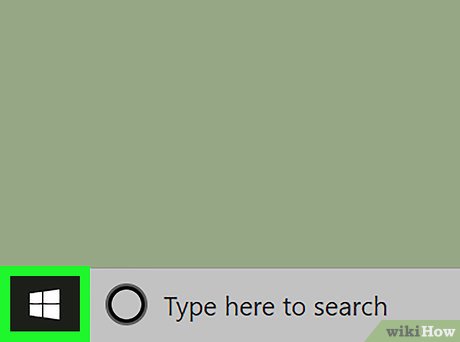 Open Start
 . Click the Windows logo in the bottom-left corner of the screen. The Start window will pop up.
- You can also just right-click Start (or press⊞Win+X) and click System in the resulting pop-up menu. If you do this, skip the next two steps.
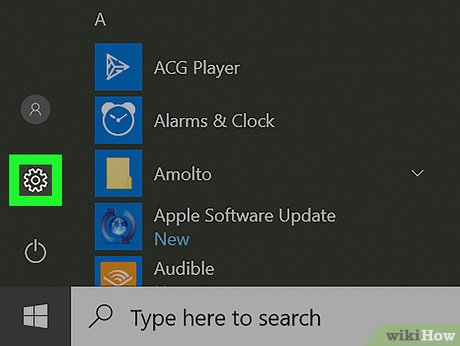 Open Settings
 . Click the gear-shaped icon in the bottom-left corner of the Start window. This will open the Settings window.
 ClickSystem. It's a computer monitor-shaped icon in the Settings window.
 ClickAbout. This tab is at the bottom of the left-hand column of options. Doing so brings up a list of your computer's attributes.
 Look for the "System type" heading. It's near the bottom of the "Device specifications" section toward the bottom of the window. You'll see either "64-bit" or "32-bit" to the right of "System type"; this is your computer's bit count.
Method 2of 2:
Windows 7
 Open Start
 . Either click the Windows logo in the bottom-right corner of the screen, or press the⊞Winkey.
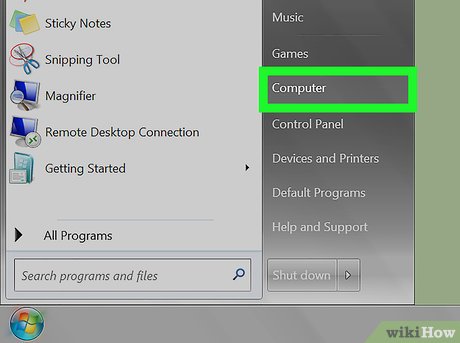 Right-clickComputer. It's on the right side of the Start window. Doing so prompts a drop-down menu.
- If the My Computer app is on your desktop, you can right-click it instead.
- If you're using a laptop with a trackpad, tap the trackpad with two fingers instead of right-clicking.
 ClickProperties. This option is near the bottom of the drop-down menu.
 Look for the "System type" heading. It's below the "Installed RAM" heading on this page. You'll see either "64-bit" or "32-bit" to the right of "System type"; this is your computer's bit count.
FAQ
What is Click: How to Determine the Bit Count for a Windows Computer about?
It provides a structured overview of click, explains the main context, and highlights practical takeaways for readers.
Why does this topic matter?
Understanding the main concepts helps readers evaluate the issue, avoid common mistakes, and make better-informed decisions.
How should readers use this information?
Use the guidance as a practical starting point, confirm details that may have changed, and follow current product, safety, or security recommendations.
Related Articles
 Steps to Fix Word Count Not Showing Up in Microsoft Word6 minutes read
 COUNT Function in SQL Server: Explained3 minutes read
 COUNT Excel Counting Function8 minutes read
 How to Accurately Count Words in Word4 minutes read
 How to Determine Why Your Computer Won't Start: Practical Guide10 minutes read
 What Is the COUNT Function Used For?3 minutes read
Reader Comments 0
Sign in with email or Google to join the discussion.