Table of Contents
This updated guide examines How to Increase Dedicated Video RAM on Windows Laptops with Intel and organizes the essential facts, background, and practical takeaways in clear American English.
Method 1of 2:
Checking Your Video RAM
 Click the Windows Start
 button. The Windows Start menu has the Windows logo. By default, it's the button in the lower-right corner in the taskbar.
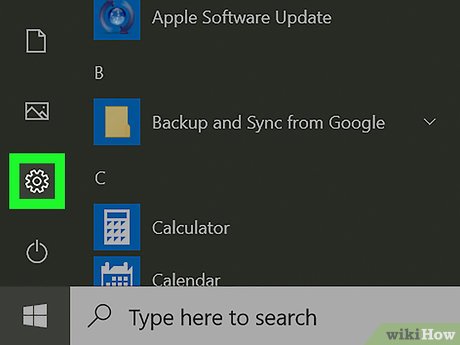 Click Settings
 . The settings button is an icon that resembles a gear. It's in the sidebar to the left in the Windows Start menu.
 ClickSystem. It's the first option in Settings. It's next to an icon that resembles a computer. This displays the System Settings menu
 ClickDisplay. It's the first option in the sidebar to the left of the System Settings menu. It's next to an icon that resembles a computer screen.
 Scroll down and clickAdvanced display settings. It's towards the bottom of the Display menu.
 ClickDisplay adapter properties for Display 1. It's below the Display Information. This displays a pop-up window with information on your graphics adapter and video RAM. The total amount of dedicated video RAM is displayed next to "Dedicated Video Memory".
Method 2of 2:
Using the Registry Editor
 Check if your computer's Video RAM can be increased. Some Intel processors and integrated Intel graphics chipsets can't change the amount of Video RAM that is used. To see if your computer can increase the VRAM:
- Go to the Intel Graphics Memory FAQ page .
- Click What is the maximum amount of graphics memory my computer can use?
- See if your computer's graphics processor is on the list.
 Click the Windows Start
 button. The Windows Start menu has the Windows logo. By default, it's the button in the lower-right corner in the taskbar.
 TypeRegedit. This displays the Registry Editor command in the Start menu.
 ClickRegedit. It's next to an icon with blue cubes. This opens the Registry Editor.
- Making changes inside the Registry Editor can damage your system. Be careful what you edit inside the Registry Editor.
 ClickHKEY_LOCAL_MACHINE. This displays a variety of sub-folders in the Registry Editor.
 ClickSOFTWARE. This displays more sub-folders.
 Right-click onIntel. This displays a pop-up menu next to "Intel".
 SelectNew. It's in the pop-up menu when you right-click on "Intel" This displays another pop-up menu next to "New".
 ClickKey. This creates a new key file under "Intel".
 Rename the keyGMM. When you create a new key, it will be named "New Key #1" by default. Press the Backspace key to erase the name, and then type "GMM" in capital letters.
 Right-clickGMM. This is the key you just created. Right-clicking displays the pop-up menu.
 SelectNew. This displays the pop-up menu.
 ClickDWORD (32 Bit) Value. It's the third option in the "New" pop-up menu. This creates a new value in GMM.
 Rename the valueDedicatedSegmentSize. By default, the new value is named "New Value #1". Press the Backspace key to erase the name, and type "DedicatedSegmentSize" as the new name.
 Double click onDedicatedSegmentSize. This is the new value you just created. Double-clicking on it will display a pop-up.
 ClickDecimal. It's the second option in the box labeled "Base" on the right side of the pop-up. Click the radial button next to "Decimal" to select it.
 Type a number under "Value Data". This is the number of megabytes you want to allocate as Video RAM. If you have 8 gigabytes of RAM, you can allocate as much as 512 megabytes. If you have more RAM, you can allocate more.
 ClickOk. This saves the value in the registry.[1]
 Restart your computer. Use the following steps to restart your computer. After your computer restarts, check your video RAM as outlined in Method 1. The amount of allocated RAM will be reflected next to "Dedicated Memory". This may not improve your system's performance, but if you have software that requires a certain amount of video memory to start, this will trick it into starting.
- Click the Windows Start menu.
- Click the icon that resembles a circle with a line through the top.
- Click Restart .
FAQ
What is How to Increase Dedicated Video RAM on Windows Laptops with Intel about?
It provides a structured overview of click, explains the main context, and highlights practical takeaways for readers.
Why does this topic matter?
Understanding the main concepts helps readers evaluate the issue, avoid common mistakes, and make better-informed decisions.
How should readers use this information?
Use the guidance as a practical starting point, confirm details that may have changed, and follow current product, safety, or security recommendations.
Related Articles
 What Is Intel HD Graphics Control Panel? Steps to Install5 minutes read
 Increase Vram Win 10: How to Increase VRAM in Windows 105 minutes read
 7 Things You Need to Know About Integrated and Dedicated Graphics Cards11 minutes read
 Intel Launches a Smoother Gaming Application on Intel HD Graphics, Inviting Download and Experience3 minutes read
 Intel Graphics Software Launched: Comprehensive Toolkit4 minutes read
 Intel Rolls Out Intel Graphics Driver Update to Support3 minutes read
Reader Comments 0
Sign in with email or Google to join the discussion.