Table of Contents
This updated guide examines How to Check Your Windows Product Key and organizes the essential facts, background, and practical takeaways in clear American English.
Part 1of 3:
Using Command Prompt
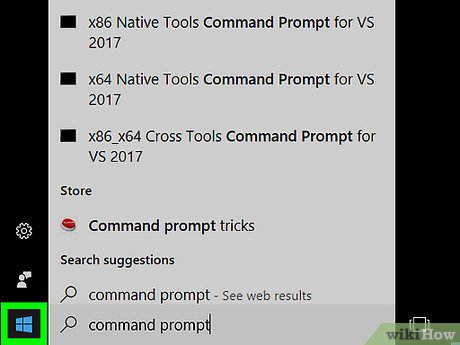 Open Start
 . Click the Windows logo in the bottom-left corner of the screen.
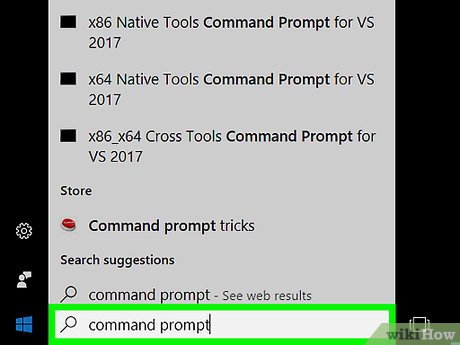 Typecommand promptinto Start. This will search the computer for the Command Prompt app.
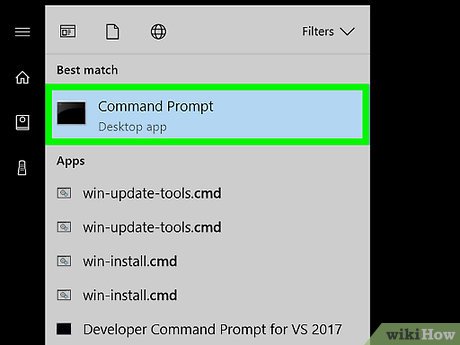 Click
Click Command Prompt. It's a black box at the top of the Start window. Command Prompt will open.
- You must be on an administrator account to retrieve your key in this way.
 Enter the product key retrieval code. Type
wmic path softwarelicensingservice get OA3xOriginalProductKeyinto Command Prompt, then press↵Enter. Note your product key. You should see the 25-character product key appear directly below the command that you entered; this is your product key.
- Take a screenshot of the results or write down the key to make sure that you have access to it if needed.
- If this command doesn't work, you'll need to use ProduKey to find your Windows product key.
Part 2of 3:
Using ProduKey
 Open the ProduKey website. Go to http://www.nirsoft.net/utils/product_cd_key_viewer.html on a working computer.
 Scroll down and clickDownload ProduKey (In Zip file). It's near the bottom of the page. Doing so will prompt the ProduKey setup folder to download onto your computer.
 Open the ProduKey folder. Double-click the ProduKey ZIP folder in your computer's default downloads folder (e.g., the desktop).
 Click theExtracttab. It's at the top of the window. A toolbar will appear below Extract .
 ClickExtract all. This option is on the far-right side of the toolbar. Clicking it prompts a window to pop up.
 ClickExtractwhen prompted. It's at the bottom of the window. Doing so will decompress the ProduKey folder and open it for you.
 Double-click theProduKeyapplication. It resembles a key. The ProduKey window will open; you should see your computer's 25-character product key to the right of the hard drive's name.
- You can take a screenshot of the key or write it down to make sure you have access to it later.
Part 3of 3:
Retrieving a Crashed Computer's Key
 Attach the crashed computer's hard drive to a working computer. You'll need to remove the hard drive from the crashed computer, plug it into an adapter, and then plug the adapter into a working Windows computer.
- Depending on the hard drive, you'll either need a SATA adapter or an IDE adapter. An IDE drive has a several-inch-wide connector at the end of its connection ribbon, while a SATA drive has a more narrow ribbon and connector.
 Open ProduKey. You should have downloaded ProduKey already, but if not, do so before continuing.
 ClickFile. This is in the top-left corner of the ProduKey window. A drop-down menu will appear.
 ClickSelect Source. It's at the top of the drop-down menu. Clicking this prompts a new window to open.
 Check the "Load the product keys from external Windows directory" box. This option is near the top of the window.
 ClickBrowse…. It's to the right of the text field.
 Select the attached hard drive. Find the attached hard drive in the list, then click it.
- You may first have to expand the "Computer" option at the top of the list.
 ClickOK. It's at the bottom of the Browse window. Doing so closes the window.
 ClickOK. This option is at the bottom of the Source window.
 Note your product key. You should see a 25-character product key to the right of the hard drive's name; this is the crashed computer's product key.
- You can take a screenshot of the key or write it down to make sure you have access to it later.
FAQ
What is How to Check Your Windows Product Key about?
It provides a structured overview of key, explains the main context, and highlights practical takeaways for readers.
Why does this topic matter?
Understanding the main concepts helps readers evaluate the issue, avoid common mistakes, and make better-informed decisions.
How should readers use this information?
Use the guidance as a practical starting point, confirm details that may have changed, and follow current product, safety, or security recommendations.
Related Articles
 How to Check Windows Product Key: Practical Guide6 minutes read
 How to Remove the Windows Product Key and Transfer It to a New PC7 minutes read
 How to View Product Key on Windows 106 minutes read
 How to Deactivate Windows Product Key and Use It on Another5 minutes read
 How to Recover a Lost Product Key from Your Windows Operating2 minutes read
 No Need to Install Any Software, This Is How to Find the Windows6 minutes read
Reader Comments 0
Sign in with email or Google to join the discussion.